Pet Community
Not everyone has the time for a pet that needs constant attention, long walks, or complicated care routines. That’s where low-maintenance pets come in.
These animals are perfect for busy professionals, students, or anyone who wants the joy of pet ownership without a demanding schedule.
Many of them require minimal space, simple diets, and basic daily care. Despite their easy routines, they can still bring plenty of personality and enjoyment into your home.
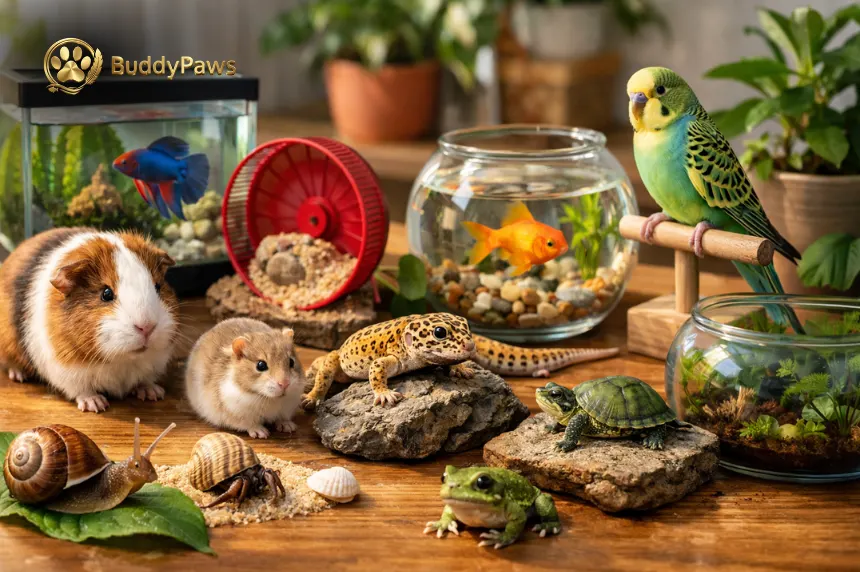
From small aquatic creatures to quiet cage companions, several options fit comfortably into a laid-back lifestyle.
In this guide, we’ll explore 10 low-maintenance pets that are surprisingly easy to care for while still making wonderful companions for first-time or busy pet owners.
Choosing the right pet often comes down to the level of care it requires. A low-maintenance pet typically needs minimal grooming, simple feeding routines, and limited daily attention.
These pets are easier to manage because they adapt well to smaller spaces and don’t require constant supervision or exercise.
Many also have straightforward habitat needs, making them ideal for beginners or busy households. Low-maintenance pets can still be fun, engaging, and rewarding companions without adding stress to your daily schedule.
Understanding what defines a low-maintenance pet helps you pick an animal that fits comfortably into your lifestyle while still giving you the joy of pet ownership.
Many people want a pet but worry about the time and effort involved in daily care. Fortunately, several animals require simple routines and minimal upkeep.
These beginner pets are ideal for busy households, students, or first-time owners who want companionship without complicated responsibilities.
Betta fish are colorful and fascinating pets that thrive in small tanks. They are perfect for beginners because their care routine is simple and doesn’t require much daily attention.
Small tank setup
Simple feeding routine
Minimal space needed
Easy weekly cleaning
Hamsters are small, active pets that enjoy exploring their cages. They require basic care, regular feeding, and occasional cage cleaning, making them a great option for busy pet owners.
Compact living space
Eats simple store-bought food
Independent nature
Basic cage maintenance
Guinea pigs are gentle and friendly pets that thrive in small enclosures. With proper bedding, fresh vegetables, and daily feeding, they are easy to care for and enjoyable companions.
Simple cage setup
Predictable feeding routine
Helpful tips often shared in the buddypaws community
Minimal grooming needs
Leopard geckos are popular reptile pets known for their calm personality. They require a warm habitat and occasional feeding, making them an easy pet choice for beginners.
Small terrarium setup
Eats insects occasionally
Quiet and calm pet
Minimal handling required
Hermit crabs are unique pets that live comfortably in small tanks. They enjoy climbing and exploring, while their care mainly involves proper humidity, food, and occasional habitat cleaning.
Small habitat requirements
Simple diet
Quiet pet
Easy tank upkeep
Sea monkeys are tiny aquatic creatures that require almost no effort to maintain. Once their tank is prepared, they need occasional feeding and basic care to thrive.
Why it’s low-maintenance:
Tiny tank setup
Rare feeding schedule
Minimal cleaning
Long-lasting aquatic pets
Small aquatic turtles can be rewarding pets when provided with a proper tank. They enjoy swimming and basking, while their care routine stays fairly simple once the habitat is set up.
Stable tank environment
Infrequent feeding
Independent behavior
Often considered quiet pets for apartments
Budgies are cheerful, colorful birds that bring energy to any home. They are easy to care for with a clean cage, regular feeding, and a few toys for stimulation.
Small cage setup
Simple seed-based diet
Social but independent
Minimal grooming
African dwarf frogs are small aquatic pets that live peacefully in tanks. They require clean water and occasional feeding, making them a great beginner-friendly option.
Fully aquatic habitat
Simple feeding routine
Quiet pets
Easy tank maintenance
Fancy mice are curious and playful pets that adapt well to cage living. With proper bedding, food, and toys, they stay healthy and happy with minimal daily care.
Small living space
Basic diet needs
Easy cage cleaning
Independent nature
Low-maintenance pets are ideal for people with busy schedules or limited space. They offer companionship and enjoyment without demanding constant attention, making pet ownership easier and more manageable for beginners and families.
Low-maintenance pets require simple routines. Feeding, cleaning, and basic care take little time, allowing owners to enjoy companionship without adjusting their entire daily schedule or managing complicated pet care tasks.
Many easy exotic pets and other low-maintenance animals require smaller habitats, less food, and minimal supplies. Their simple care needs help reduce long-term expenses, making them budget-friendly for first-time pet owners.
Many low-maintenance pets live comfortably in small tanks, cages, or enclosures. This makes them a great option for apartments, dorm rooms, or homes where space is limited.
Beginners often find low-maintenance pets easier to manage. Their simple needs allow new owners to learn basic responsibilities and build confidence without feeling overwhelmed by complicated care routines.
Because these pets need minimal supervision and attention, they fit easily into busy lifestyles. Owners can also track care tips and connect through an app for pet lovers to make pet ownership even easier.
Even the most low-maintenance pets still need proper care to stay healthy and comfortable. Following a few simple habits can make daily routines easier while helping your pet live a safe, happy, and stress-free life.
Regularly clean cages, tanks, or enclosures to prevent odor, bacteria buildup, and health issues. A tidy habitat keeps pets comfortable and active.
Feed your pet on a consistent schedule using appropriate food. Balanced nutrition supports energy levels, growth, and overall well-being.
Ensure the habitat has proper temperature, lighting, and humidity if required. A stable environment helps pets stay healthy and reduces stress.
Provide small toys, hiding spots, or climbing areas. Simple enrichment keeps pets mentally stimulated and encourages natural behavior.
Spend a few minutes daily observing your pet. Early signs of unusual behavior can help you quickly address potential health problems.
Choosing the right pet involves more than simply picking the easiest animal to care for. Reading resources like a pet millipede guide or other beginner-friendly guides can help you understand care needs before bringing a pet home.
Think about how much time you can realistically spend caring for a pet. Even low-maintenance animals need feeding, habitat cleaning, and occasional attention throughout the week.
Your home size matters when choosing a pet. Small apartments may be better suited for fish, reptiles, or small cage animals that don’t require large environments.
Research the pet’s feeding habits, habitat needs, and lifespan. Understanding these basics helps you choose an animal whose care routine fits comfortably into your lifestyle.
Some pets are naturally quiet and calm, while others are more active. You can also learn from other owners through a pet community app to understand real-life pet behavior.
If you’re new to pet ownership, begin with animals known for simple care routines. Beginner-friendly pets help you build confidence while learning essential responsibilities.
Choosing the right pet doesn’t have to feel overwhelming. Many animals are surprisingly easy to care for and still bring plenty of joy, personality, and companionship into your home.
Low-maintenance pets are a great option for busy individuals, apartment dwellers, or first-time owners who want the experience of pet ownership without demanding routines.
With the right habitat, proper nutrition, and regular observation, these pets can thrive with minimal effort.
The key is selecting a pet that fits naturally into your lifestyle, schedule, and living space. When you make a thoughtful choice, even a simple pet can become a rewarding and enjoyable part of your everyday life.
Pet ownership should feel fun, manageable, and enriching from the very beginning.
Loading blogs...