

Download Now


Share with your community!
Pet Community
Winter walks can feel confusing for dog parents. On one hand, your dog still needs fresh air, movement, and mental stimulation. On the other hand, cold weather brings concerns about icy roads, sore paws, and whether it’s even safe to step outside.
So the big question is are winter walks actually safe for dogs?
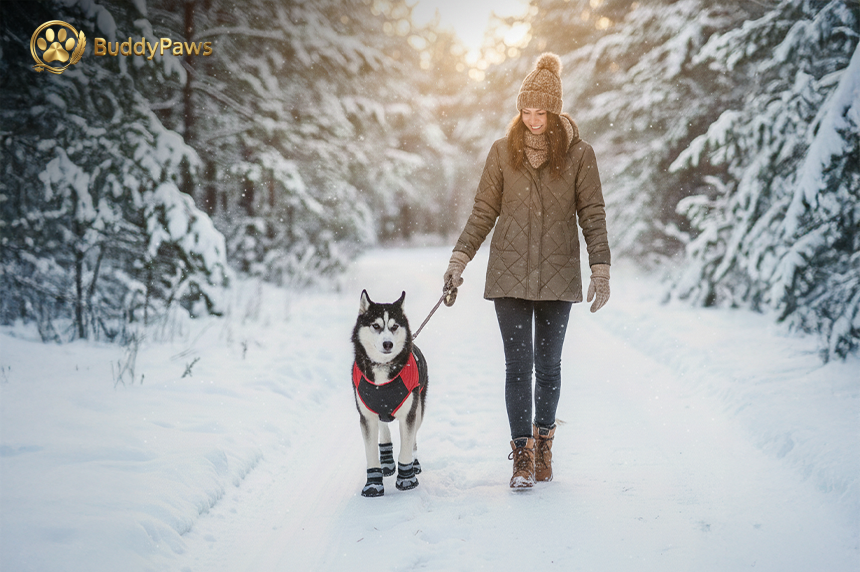
The short answer is yes, they can be. But only when done mindfully. Understanding winter dog walk safety helps you protect your dog from cold-related risks while still keeping their routine healthy and enjoyable.
Let’s break it down in a way that feels practical, not overwhelming.
Even in colder months, dogs need daily walks. Walks aren’t just about exercise, they help with:
Mental stimulation
Emotional balance
Reducing boredom and anxiety
Maintaining healthy digestion
Preserving routine
Skipping walks for weeks can lead to restlessness, weight gain, and behavioral issues. That’s why winter walks shouldn’t stop, they just need to change.
Understanding winter dog walk safety means adjusting how, when, and where you walk, not avoiding walks completely.
There’s no single temperature that applies to all dogs. Cold tolerance depends on:
Breed
Size
Age
Coat thickness
Health conditions
A husky will enjoy cold weather far more than a short-haired puppy. Senior dogs and small breeds feel the cold much faster.
Instead of focusing only on temperature, watch your dog’s behavior. Signs that it’s too cold include:
Shivering
Lifting paws frequently
Slowing down or stopping
Whining
Refusing to walk
If you notice these signs, it’s time to head back indoors.
Your dog’s paws are the most vulnerable part during winter walks. Cold surfaces, ice, snow, and road salt can cause real discomfort.
Common winter paw problems include:
Dry or cracked paw pads
Redness and irritation
Small cuts from ice
Chemical burns from salt and de-icers
That’s why dog paw care tips are essential for winter walks.
Before heading out, check your dog’s paws. After every walk, wipe them clean to remove salt, ice, and debris. Even a short walk can leave residue that irritates skin.
Winter can be tough on your dog’s paws, especially with cold surfaces, ice, and road salt. A little daily care goes a long way in keeping paws healthy, comfortable, and pain-free.
Dog booties are a personal choice, some dogs love them, and some hate them.
Booties can help:
Protect paws from ice and salt
Keep paws dry
Prevent cracking
Reduce slipping
If your dog refuses booties, paw balms are a great alternative. These form a protective layer and moisturize paw pads.
Whether you use booties or balm, consistent dog paw care tips make winter walks much safer.
One of the most overlooked winter risks is road salt and ice-melting chemicals. These substances stick to paws and can cause:
Skin irritation
Chemical burns
Stomach upset if licked
Dogs often lick their paws after walks, increasing the risk.
To reduce exposure:
Walk on snow-covered paths when possible
Avoid heavily salted sidewalks
Wipe paws immediately after walks
Rinse with lukewarm water if needed
This is a core part of winter dog walk safety that many pet parents miss.
Winter walks don’t need to be long to be effective.
Instead of one long walk, try:
Shorter, more frequent walks
Midday walks when temperatures are higher
Avoiding early mornings and late nights
These adjustments reduce cold exposure while keeping your dog active.
Consistency matters more than distance during winter.
Dog jackets and sweaters aren’t just cute, they’re functional for many dogs.
Dogs that benefit from winter clothing include:
Short-haired breeds
Small dogs
Senior dogs
Dogs with health conditions
A well-fitted jacket helps retain body heat and keeps muscles warm, reducing stiffness.
If your dog seems hesitant to walk in winter, adding a layer can make a noticeable difference.
Cold weather can worsen joint stiffness, especially in older dogs or those with arthritis.
You might notice:
Slower movement
Difficulty standing up
Reluctance to climb stairs
Before winter walks:
Allow your dog to stretch indoors
Start walks slowly
Avoid icy surfaces that increase slipping risk
Gentle movement is better than no movement at all.
Winter often reduces outdoor time, which can affect your dog emotionally.
Dogs may become:
Restless
Clingy
Destructive
More vocal
Walks, even short ones, help break monotony. They offer new smells, sights, and mental stimulation that indoor play can’t fully replace.
Many dog parents also stay motivated by connecting with others through a dog community app, where people share winter walk ideas, routines, and safe locations.
Some days are genuinely unsafe for walks. On those days, indoor activities become important.
Try:
Tug-of-war
Hide-and-seek with treats
Puzzle toys
Basic training refreshers
Indoor fetch
These activities help burn energy and keep your dog engaged when outdoor walks aren’t possible.
Puppies are still developing and are more sensitive to cold.
For puppies:
Keep walks short
Avoid icy surfaces
Watch for shivering
Use protective clothing if needed
Training can continue indoors on very cold days. Social exposure doesn’t have to stop, it just needs adjustment.
Older dogs often feel winter more deeply.
Extra winter care includes:
Warm bedding after walks
Shorter walks
Paw protection
Monitoring stiffness
Talks should be gentle and comfortable, not exhausting.
Winter brings other walk-related risks:
Reduced visibility due to fog or early darkness
Slippery sidewalks
Snowbanks hiding sharp objects
Using reflective collars or leashes and staying alert helps keep both you and your dog safe.
Routine brings comfort to dogs, especially during seasonal changes.
A winter routine might include:
One longer midday walk
One or two short breaks
Indoor play sessions
Paw care after each walk
Consistency reassures your dog and makes winter feel predictable instead of stressful.
Winter can feel isolating, especially when routines change. Many dog parents find reassurance by sharing experiences, tips, and questions with others through platforms like BuddyPaws.
A dog community app allows pet parents to:
Learn safe walking spots
Share paw care routines
Stay motivated during cold months
Connect with others facing similar challenges
Sometimes, knowing you’re not alone makes winter care easier.
Yes, when done thoughtfully. Winter walks are safe and beneficial when you:
Watch your dog’s signals
Protect their paws
Adjust walk length and timing
Dress them appropriately
Stay consistent
Understanding winter dog walk safety isn’t about fear, it’s about awareness.
With the right approach, winter walks can remain one of your dog’s favorite parts of the day, even when temperatures drop.
Winter doesn’t mean pressing pause on your dog’s routine. It means adapting to it. Shorter walks, better paw care, warmer gear, and mindful timing go a long way.
By following simple dog paw care tips and staying alert to cold-weather risks, you help your dog stay healthy, active, and happy all winter long.
And remember, every dog is different. Pay attention, adjust gently, and trust what your dog shows you. Winter walks, when done right, can still be safe, enjoyable, and bonding moments for both of you.
Loading blogs...