

Download Now


Share with your community!
Pet Care
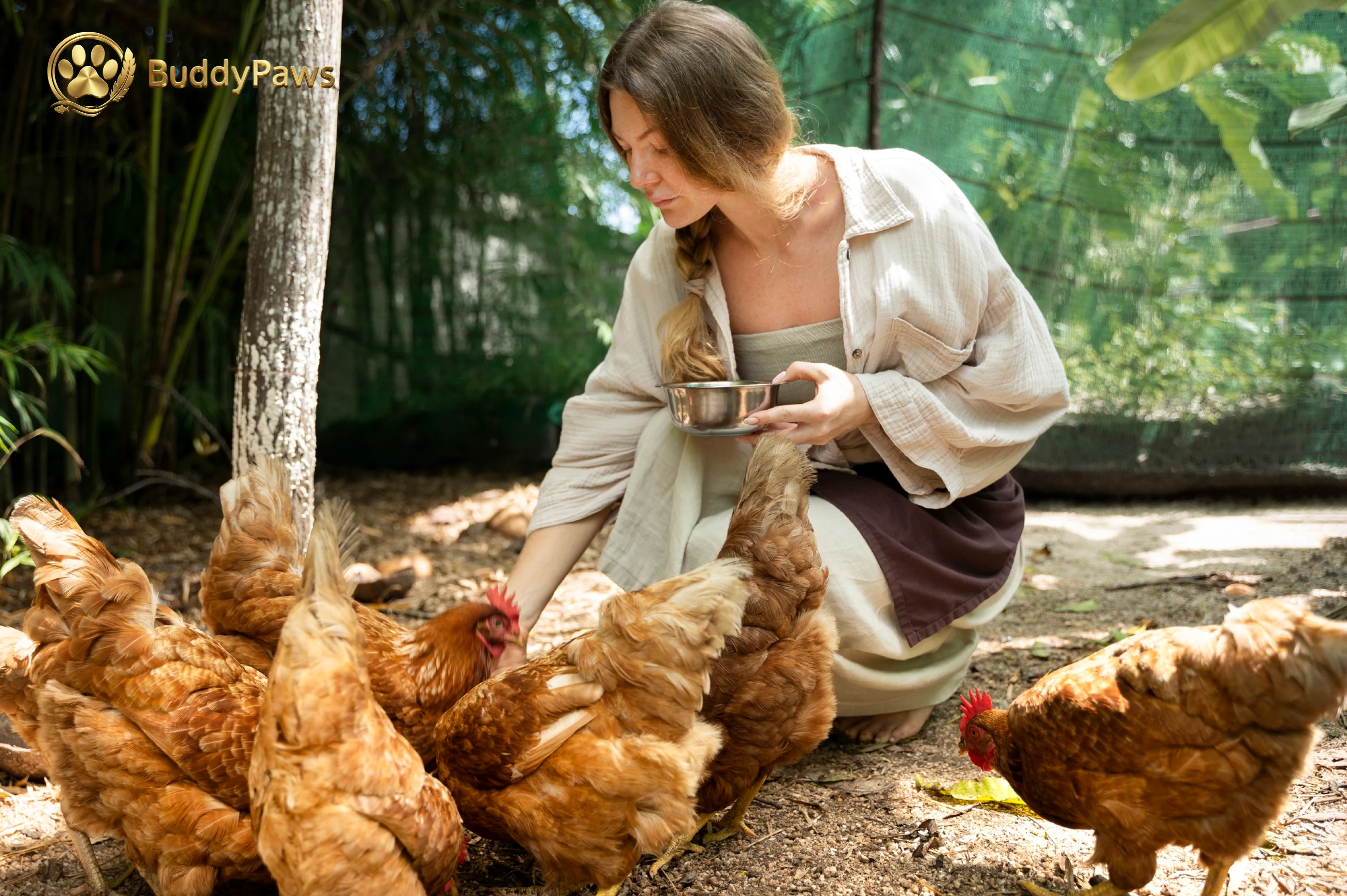
Backyard chicken care changes with the seasons, and understanding those shifts is key to raising healthy, happy birds year-round.
From freezing winters to scorching summers, chickens rely on you to adjust their food, shelter, and daily routines. Many new flock owners focus on feeding but overlook how the weather impacts safety, comfort, and egg production.
Seasonal care isn’t complicated, but it does require attention and planning. With the right approach, you can prevent stress, illness, and common seasonal problems before they start.
This guide breaks down backyard chicken care through every season, offering simple, practical tips you can actually use.
Whether you’re just starting or refining your routine, these insights will help your flock stay strong, productive, and protected no matter the weather.
Seasonal changes directly affect a chicken’s health, comfort, and productivity. Understanding how weather shifts impact daily care helps flock owners prevent problems before they begin and maintain consistent routines year-round.
Cold months increase calorie needs, while heat reduces appetite. A balanced chicken feeding guide helps owners adjust protein, treats, and supplements so birds maintain energy, immunity, and steady egg production without unnecessary weight loss or stress.
Rain, snow, wind, and extreme heat can quickly harm an unprepared flock. Strong chicken coop safety practices, like proper ventilation, insulation, and drainage, prevent respiratory issues, frostbite, overheating, and predator access throughout the year.
Consistent seasonal chicken care means changing bedding, water access, and outdoor time based on conditions. These small adjustments reduce disease, control parasites, and keep chickens calm, comfortable, and productive despite shifting temperatures and daylight changes.
Feeding chickens isn’t a one-size-fits-all routine. Seasonal weather changes affect appetite, energy needs, and digestion. Adjusting feed and treats throughout the year supports healthier birds and steadier egg production.
Spring is a recovery season after winter stress. Gradually return to a balanced layer feed and add fresh greens. This approach fits smart backyard chicken care by boosting energy, feather health, and laying consistency as daylight increases.
Heat reduces appetite, so offer smaller portions during cooler hours. Following a reliable chicken feeding guide, include water-rich treats like cucumbers and watermelon while ensuring shade and clean water to prevent heat stress.
Molting demands extra protein. Increase protein levels slightly using quality feeds or safe supplements. Combined with good chicken coop safety, proper fall feeding helps chickens regrow feathers without compromising immunity or body condition.
Cold weather burns energy fast. Corn and scratch grains in moderation help maintain body heat. This is a key part of effective seasonal chicken care, keeping birds warm, active, and resilient during freezing temperatures.
Rain and strong winds can quickly stress backyard chickens if their environment isn’t prepared. Wet feathers, drafts, and damp bedding increase illness risks, making weather protection an essential part of daily flock management.
Seal gaps, repair loose panels, and position vents away from direct wind. Strong chicken coop safety practices prevent cold air from chilling birds while still allowing proper airflow to reduce moisture buildup inside the coop.
Moist bedding leads to bacteria, mold, and foot problems. Replace wet litter immediately and use absorbent materials. This simple step supports long-term health and reflects responsible backyard chicken care during unpredictable weather.
Standing water attracts pests and creates muddy conditions. Slightly sloped ground and gravel pathways help water drain away. Proper drainage is a key element of effective seasonal chicken care, especially during extended rainy periods.
Place feeders and waterers under covered areas to prevent contamination. Following a smart chicken feeding guide ensures birds maintain energy levels without consuming damp or spoiled feed during wet, windy conditions.
Seasonal changes often catch chicken owners off guard. Small oversights can lead to stress, illness, or drops in egg production. Knowing common mistakes helps keep your flock comfortable and healthy year-round.
Chickens eat differently as temperatures shift. Sticking to the same feeding routine year-round can weaken birds. Proper backyard chicken care means adjusting portions and nutrients to match energy needs in hot or cold weather.
Many owners seal coops too tightly in winter. This traps moisture and ammonia. Smart winter care tips for pets include proper airflow without drafts, which prevents respiratory issues and frostbite.
Wet bedding creates bacteria and attracts pests. Failing to replace it quickly leads to foot infections and strong odors. Clean, dry litter is essential for seasonal comfort and disease prevention.
Seasonal stress can hide early illness signs. Checking feathers, feet, and behavior helps catch problems early. Many owners share reminders and advice through a trusted pet community app for extra support.
New chicken owners often struggle alone. Learning from others using an app for pet lovers provides real-time tips, weather alerts, and shared solutions that make seasonal care easier and more confident.
Seasonal changes play a major role in the flock’s health, comfort, and productivity. When owners understand how weather affects feeding, shelter, and daily routines, chickens thrive year-round with fewer problems.
Simple adjustments like improving ventilation, changing feed, or reinforcing the coop can prevent stress and illness before they begin.
Backyard chicken care isn’t about perfection: it’s about paying attention and responding to your bird’s needs as conditions shift.
By avoiding common seasonal mistakes and staying proactive, you create a safer, healthier environment for your flock.
With consistent care and smart planning, your chickens stay comfortable, active, and productive through every season, no matter what the weather brings.
Loading blogs...