

Download Now


Share with your community!
Pet Care
Bringing a bird home for the first time is exciting. Birds are smart, social, curious, and full of personality. They can brighten your home with adorable sounds, playful behavior, and loving interactions. But as a new bird parent, you might be unsure about how to care for your feathered friend the right way.
Birds have unique needs, from diet and grooming to mental stimulation and safety. This simple guide covers the most important bird care tips to help beginners create a healthy, safe, and happy environment for their birds. Whether you have a budgie, cockatiel, parrot, or any small bird, this guide will help you start your journey with confidence.
Let’s break it down.
Every bird has a few essential needs that help them feel safe, relaxed, and comfortable in your home.
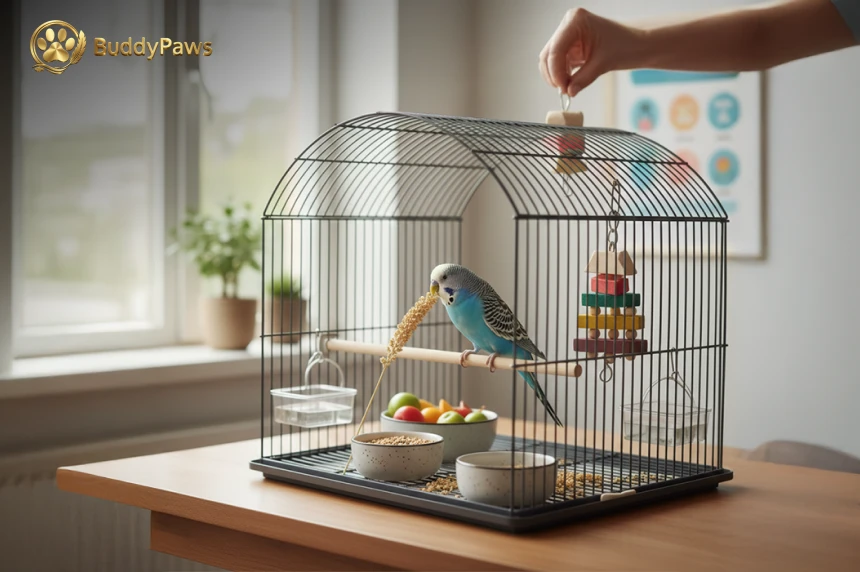
Your bird’s cage is more than a home, it's their comfort zone. So choosing the right cage matters a lot.
Proper cage size (large enough for stretching wings and moving around)
Wide horizontal bars (birds love climbing)
Easy-to-clean trays
Multiple perches at different heights
Place the cage in a quiet corner away from direct sun, cold drafts, and the kitchen (fumes can be harmful).
Feeding your bird properly is one of the most important bird care tips. A healthy diet helps them stay active, bright-eyed, and full of energy.
Seeds: A portion of every meal but not the entire diet
Pellets: Nutritious and balanced for daily feeding
Fresh fruits: Apples (seed-free), bananas, berries, melons
Fresh veggies: Spinach, carrots, peas, cucumbers, lettuce
Occasional treats: Millet spray, nuts (unsalted)
Avoid chocolate, avocado, caffeine, onions, and alcohol; these are toxic to birds.
Fresh, clean water must be available all day long.
A predictable routine helps your bird feel secure and keeps their day running smoothly.
Birds love routine. Feed them around the same time daily to help them feel safe and secure.
Morning:
Fresh pellets, small seeds, and some veggies.
Afternoon:
A fruit portion or snacks.
Evening:
A tiny portion of seeds and fresh water.
Consistency keeps their digestion smooth and energy levels stable.
Even small birds need time outside the cage. They love to stretch their wings, explore, and interact with you.
Tips for safe out-of-cage play:
Close windows and doors
Turn off fans
Keep other pets awayRemove sharp objects
Cover mirrors and glass
This is one of the most important bird care tips for mental and physical health.
Birds are extremely intelligent. They get bored easily without stimulation.
Good toys include:
Chewable toys
Ropes
Bells
Wooden blocks
Climbing ladders
Foraging toys
Rotate toys regularly to keep your bird engaged and excited.
Grooming helps maintain hygiene and keeps your bird healthy.
Simple grooming habits:
Offer a shallow bowl or spray mist for baths
Trim nails if they get too long (or ask a vet)
Clean the cage daily
Remove old food and replace water
A clean environment keeps your bird happy and disease-free.
Making your home bird-safe is one of the easiest ways to prevent accidents and protect your feathered friend.
Birds are curious explorers. They’ll nibble, chew, and fly toward anything that grabs their attention.
Make your home safe by:
Removing toxic plants
Keeping electrical wires covered
Avoiding scented candles
Not using aerosol sprays near birds
Keeping small objects out of reach
Bird lungs are delicate, so even perfumes and room fresheners can be harmful.
Many human foods are dangerous for birds.
Strictly avoid:
Chocolate
Alcohol
Salted snacks
Caffeine
Fried foods
Avocado
Onions and garlic
A safe diet is essential for your bird’s long-term health.
Birds prefer warm, stable environments.
Ideal tips:
Keep the room between 20 and 26°C (68–78°F)
Avoid cold drafts near windows
Maintain a natural day–night cycle
Cover the cage at night for peaceful sleep
A comfortable environment keeps them calm and active.
Birds crave companionship. They love attention, but in a gentle, patient way.
Try:
Talking softly to them
Hand-feeding treats
Teaching simple tricks
Whistling or singing
Giving them time to perch on your hand
Your bond will grow naturally over time.
Good health starts with early awareness, so paying attention to small changes can make a big difference.
Birds hide discomfort, so early detection is crucial.
Signs to watch for:
Fluffed-up feathers
Lack of appetite
Discharge from eyes or nose
Irregular droppings
Lethargy
Excessive sleeping
If anything feels off, consult a bird-specialized vet.
Cleanliness prevents infections and helps your bird stay active.
Daily tasks:
Change food and water
Remove uneaten food
Wipe tray areas
Weekly tasks:
Deep-clean cage
Wash toys
Change bedding
A clean setup improves their mood and health.
Even if your bird looks fine, yearly checkups ensure good long-term health.
Nail trimming
Wing trimming (optional)
Diet advice
Preventive treatments
This is a crucial part of long-term bird care.
Happy birds are active, curious, and full of personality, and a little effort goes a long way.
Spend at least a few minutes daily bonding with your bird.
Try:
Sitting near the cage
Talking softly
Letting them perch on your finger
Giving small treats
Gentle head scratches (if they enjoy it)
Bonding builds trust and security.
Mental stimulation prevents destructive behavior and keeps your bird engaged.
Ideas:
Teach a new trick
Hide treats in foraging toys
Offer new textures
Move the perch locations occasionally
Little changes make life exciting for them.
Caring for a bird is a beautiful experience filled with fun, learning, and companionship. With the right bird care tips, you can create a safe, healthy, and enriching world for your feathered friend. From proper feeding and daily routines to safety checks and bonding time, every small habit adds up. Birds may be small, but their hearts are full of love, and they rely on you to guide them through a happy, healthy life.
With patience, consistency, and a little daily care, your bird will thrive and become a joyful part of your family.
Loading blogs...