

Download Now


Share with your community!
Pet Community
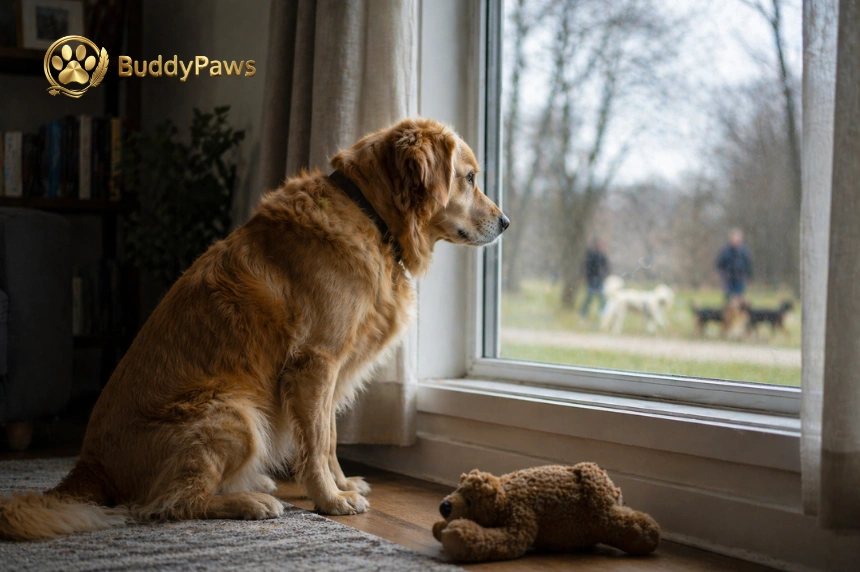
Have you ever wondered what your dog feels when you leave the house? Many pet owners question whether dogs experience emotions similar to humans, especially when it comes to being alone.
Understanding whether dogs can feel lonely isn’t just emotional; it’s backed by real behavioural science and research.
Dogs are social animals, and their need for connection goes beyond basic care. When left alone for long periods, they can show clear emotional and behavioural changes.
In this guide, we’ll explore what science actually says about loneliness in dogs, the signs to watch for, and simple ways to help your dog feel more secure and connected every day.
Science shows dogs are highly social animals with emotional needs similar to humans. With dog emotions explained through research, it’s easier to understand loneliness and why consistent interaction truly matters.
Lonely dogs may become withdrawn, less playful, or unusually quiet. Some may also show sudden mood shifts, appearing sad or uninterested in activities they once enjoyed regularly.
Excessive barking, whining, or howling often signals distress. Dogs are vocal sounds to express discomfort, and loneliness can trigger frequent noise, especially when left alone for extended periods.
Chewing furniture, scratching doors, or constant following are common signs. These behaviours often reflect emotional stress and a strong need for attention, stimulation, and social connection.
Dogs often express emotions through behaviour, and missing these cues can lead to bigger issues. Recognising lonely dog signs early helps you support your pet’s emotional well-being and prevent stress.
If your dog vocalises more than usual, it may be seeking attention or expressing distress. Frequent barking or whining often increases when they feel isolated or left alone for long periods.
A lonely dog may stop enjoying playtime, walks, or favourite toys. This lack of interest can signal emotional withdrawal and a need for more interaction, stimulation, and engagement.
Dogs that follow you constantly or struggle when you leave may feel lonely. Using tools like a pet community app can help you find ways to improve their social interaction.
Chewing furniture, scratching doors, or digging indoors often reflects frustration. These behaviours usually develop when dogs lack attention, mental stimulation, and consistent companionship throughout the day.
Loneliness can affect routine habits. Your dog may eat less, overeat, or sleep more than usual, showing signs of emotional imbalance and a need for better daily interaction.
Several everyday factors can make dogs feel isolated without owners realizing it. Understanding these causes helps you prevent emotional distress and create a more engaging, supportive environment for your dog.
Dogs left alone for extended periods often feel isolated. Many dog depression facts highlight how a lack of companionship can impact mood, leading to withdrawal, anxiety, and noticeable behavioural changes over time.
Dogs thrive on connection with humans and other dogs. Limited interaction can lead to boredom, loneliness, and reduced confidence, making them less comfortable and more anxious in social situations.
Without regular exercise or brain activities, dogs can feel unstimulated. This lack of engagement often results in frustration, restlessness, and behaviours that reflect emotional imbalance and boredom.
Irregular feeding, playtime, or interaction can confuse dogs. Using a pet care platform can help maintain consistency, ensuring your dog gets proper attention, structure, and daily engagement.
Moving homes, new family members, or schedule changes can disrupt your dog’s sense of security. These shifts may trigger loneliness, stress, and difficulty adjusting to new surroundings or routines.
Preventing loneliness in dogs starts with consistent care, interaction, and mental engagement. Simple daily efforts can make a big difference in keeping your dog emotionally balanced, active, and connected.
Regular feeding, walks, and playtime create stability. Many dog depression facts show that predictable routines help reduce stress, improve mood, and give dogs a sense of security every day.
Combine walks with brain games like puzzles or training sessions. This keeps your dog engaged, burns energy, and reduces boredom that often leads to loneliness and behavioural issues.
Dedicated bonding time matters. Playing, grooming, or simply relaxing together strengthens your connection, helping your dog feel valued, secure, and less likely to experience emotional isolation.
Arrange playdates or explore groups like the Buddypaws community to boost interaction. Social exposure helps dogs feel connected, reduces loneliness, and improves overall confidence and behaviour.
Provide toys that challenge your dog’s mind when you’re away. Interactive feeders, chew toys, and rotating activities keep them occupied and prevent feelings of isolation during alone time.
Understanding loneliness in dogs helps you become a more attentive and responsible pet owner.
Dogs rely on connection, routine, and engagement to feel secure and emotionally balanced. When their social and mental needs are ignored, it can lead to stress, behavioural changes, and long-term issues.
The good news is that loneliness is preventable with small, consistent efforts. Spending quality time, maintaining a routine, and providing both physical and mental stimulation can make a noticeable difference.
Paying attention to early signs allows you to act before the problem grows. With the right care and awareness, you can ensure your dog feels happy, connected, and truly supported every day.
Loading blogs...