

Download Now


Share with your community!
Pet Community App
Many pet owners notice strong friendships forming between animals that live together, whether it is cats grooming each other, dogs sleeping side by side, or pets becoming anxious when separated.
Pets' emotional bonding is a real behavioural phenomenon that develops through shared routines, companionship, trust, and daily interaction over time.
Just like humans, many animals create social connections that provide comfort, emotional security, and a sense of familiarity.
Some pets become deeply attached to their companions and may even display signs of stress, sadness, or behavioural changes when separated.
These emotional connections are especially common in pets that spend most of their time together indoors.
Understanding how pets form bonds can help owners support healthier relationships in multi-pet households while recognising emotional needs more effectively.
In this guide, we will explore how emotional attachment develops between pets and the signs that reveal these special connections.
Pets often develop strong emotional connections through shared routines, trust, comfort, and repeated social interaction over time.
Dog friendship behaviour and similar social habits in other animals show how companionship helps pets feel emotionally secure and socially connected daily.
Pets living together become familiar with each other through feeding schedules, sleeping spaces, playtime, and regular interaction.
Consistent routines help animals feel comfortable, creating trust and emotional attachment between companion pets naturally over time.
Playful behaviour, grooming, cuddling, and calm interaction help pets build positive associations with each other.
Friendly experiences strengthen emotional trust, making animals feel safer, more relaxed, and socially connected inside shared living environments consistently.
Many pets seek comfort from familiar animal companions during stressful events like loud noises, travel, or unfamiliar surroundings.
Emotional support from another pet can reduce anxiety while improving feelings of safety, calmness, and emotional stability indoors.
Pets often develop close emotional relationships through shared routines, comfort, and daily companionship over time.
Bonded cats and other companion animals may naturally display behaviours that reveal trust, affection, emotional dependence, and strong social attachment toward each other.
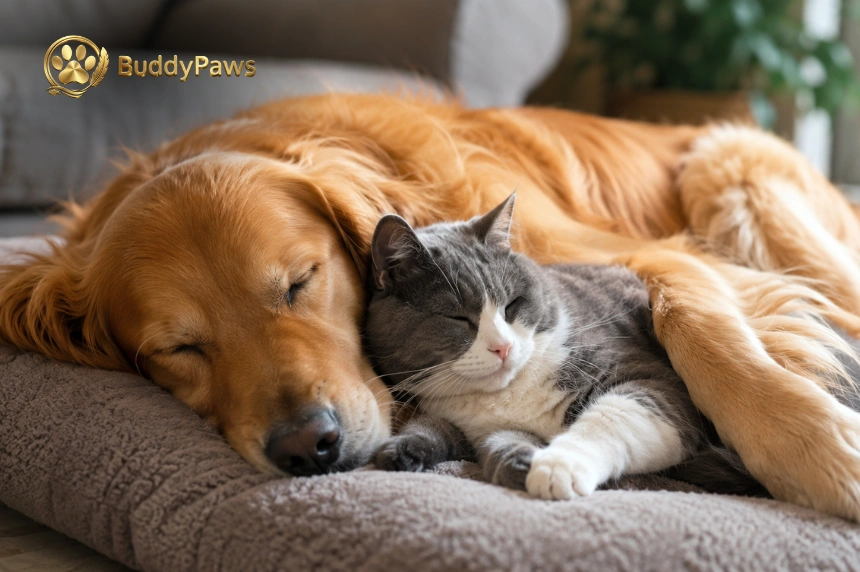
Pets that feel emotionally attached often choose to sleep beside each other for comfort and security.
Sharing resting spaces helps animals consistently feel relaxed, safe, and socially connected throughout daily routines and nighttime sleep.
Cats, dogs, and some small pets may groom or lick their companions as a sign of trust and affection.
Mutual grooming strengthens social bonds while helping pets feel emotionally secure and comfortable around one another regularly.
Emotionally connected pets often stay close together during daily activities indoors.
Many owners using a pet lovers' matching app also notice companion animals naturally following each other, sharing spaces, and seeking constant social interaction throughout the day.
Some pets become anxious, quiet, or restless when separated from their bonded companion.
Behavioural changes like pacing, reduced appetite, clinginess, or excessive vocalisation may indicate emotional attachment and discomfort caused by temporary or permanent separation.
Playful interaction is a strong sign of healthy companionship between pets living together.
Animals that regularly chase, wrestle, or engage in gentle games often develop stronger trust, comfort, and emotional familiarity through shared social experiences consistently.
Bonded pets may stay close during stressful situations like storms, unfamiliar visitors, or travel experiences.
Emotional support from a familiar companion often helps animals feel calmer, safer, and more emotionally balanced during uncomfortable situations indoors.
Pets living closely together often develop strong emotional connections through companionship, routines, and shared experiences daily.
Pet social behaviour can change noticeably after losing a bonded companion, causing emotional stress, behavioural shifts, and temporary difficulties adjusting to household changes.
Pets become emotionally attached to familiar routines shared with another animal companion.
After losing a pet friend, the sudden absence of shared sleeping, playing, or feeding habits can create confusion, loneliness, and noticeable behavioural changes indoors.
Some pets become more anxious or dependent on their owners after losing a companion animal.
They may follow owners constantly, vocalise more often, or seek additional comfort because their emotional security and familiar social structure have changed significantly.
Grieving pets may eat less, sleep more, or lose interest in activities they previously enjoyed.
Emotional stress can temporarily affect physical behaviour, causing reduced playfulness, lower energy, and unusual withdrawal from daily household interaction patterns.
Many pet owners using a pet community app share experiences of animals searching rooms, waiting near favourite spots, or reacting to familiar sounds after losing a companion, showing how deeply some pets remember and emotionally respond to bonded friendships.
Pets rely heavily on familiar routines and household dynamics for emotional stability.
Losing another pet can disrupt daily comfort patterns, making some animals feel unsettled, confused, or less emotionally secure inside their normal living environment temporarily.
Some pets become quieter or less interested in social interaction after separation from a close companion.
Emotional attachment loss may reduce playful behaviour temporarily while pets slowly adjust to new routines and household changes over time.
Multi-pet households can become happier and emotionally balanced when animals feel safe, respected, and socially comfortable together.
Pets copying humans and observing daily behaviour patterns often influence how they interact, communicate, and build relationships with other companion animals indoors.
Slow introductions help pets feel less threatened and more comfortable around each other.
Allowing controlled interaction, supervised meetings, and separate safe spaces reduces stress while encouraging trust and healthier social behaviour between companion animals naturally.
Pets may become territorial over food bowls, beds, or personal spaces inside the home.
Separate feeding and resting areas help reduce competition, prevent conflicts, and create a more peaceful environment for multi-pet households consistently over time.
Shared play sessions, walks, and interactive games help pets develop positive associations with one another.
Fun group activities strengthen companionship, improve confidence, and encourage healthier emotional connections between pets living together indoors successfully.
Pet owners on BuddyPaws often share advice about recognising stress signals, jealousy, or social discomfort between animals.
Monitoring behavioural changes early helps prevent conflicts while supporting healthier emotional adjustment in multi-pet households effectively.
Pets can become jealous or insecure when they feel ignored compared to another companion animal.
Spending individual time with each pet helps strengthen trust, reduce attention-seeking behaviour, and maintain emotional balance within the household successfully.
Not every pet enjoys constant interaction or close companionship all the time.
Respecting personality differences, energy levels, and comfort zones helps pets coexist peacefully while reducing stress, overstimulation, and unnecessary behavioural conflicts indoors consistently.
Pets are capable of forming meaningful emotional connections with other animals through trust, companionship, shared routines, and daily interaction.
These bonds can provide comfort, reduce loneliness, and improve emotional well-being in multi-pet households.
Many animals show affection through play, grooming, sleeping together, or seeking comfort from familiar companions during stressful situations.
Some pets may even display signs of sadness or behavioural changes when separated from a bonded animal friend.
Understanding pets emotional bonding helps owners recognize the importance of emotional security and healthy social relationships between companion animals.
Proper introductions, equal attention, positive interaction, and respecting individual personalities all contribute to healthier multi-pet dynamics.
By creating a safe, supportive, and emotionally balanced environment, pet owners can encourage stronger companionship while helping pets feel more secure, socially connected, and emotionally comfortable in shared living spaces over time.
Loading blogs...