

Download Now


Share with your community!
Pet Community
Many pet owners have wondered whether their beloved companions can remember people they haven’t seen in a long time.
Stories of dogs excitedly greeting former owners or cats recognizing familiar voices years later often spark curiosity about how animals process memories.
Research into pet memory suggests that dogs and cats are capable of forming lasting associations with people, places, and experiences that are important to them.
While their memory works differently from human memory, pets can retain information through scent, sound, routine, and emotional connections.
But how long can these memories last, and what factors influence recognition after years of separation?
In this article, we’ll explore what science says about long-term memory in pets, the signs that indicate recognition, and what these findings reveal about the bonds animals form with people.
Understanding pet recognition helps explain how dogs and cats remember people, places, and experiences. Although their memory functions differently from humans', pets can form lasting associations through scent, emotions, routines, and repeated interactions.
Dogs and cats rely heavily on their sense of smell. Familiar scents can trigger strong memories, helping pets recognize people, animals, and environments even after long periods apart.
Positive interactions such as affection, playtime, and daily care create strong emotional associations. Pets are more likely to remember individuals connected to meaningful experiences and consistent companionship.
Regular routines and repeated interactions help reinforce memory. The more frequently pets experience certain people, sounds, or activities, the more likely they are to retain those memories over time.
Stories where a dog remembers its owner after years apart have fascinated researchers and pet lovers alike. Scientific studies continue to reveal that pets can retain memories of important people, experiences, and routines for surprisingly long periods.
Research suggests dogs retain memories of individuals associated with strong emotional bonds. Familiar scents, voices, and visual cues can trigger recognition even after extended periods of separation.
Although often considered independent, cats can remember people who consistently cared for them. Positive interactions and familiar routines help strengthen long-term associations that may persist for years.
A pet's sense of smell plays a major role in memory formation. Familiar scents can instantly trigger recognition and help animals recall previous experiences, environments, and relationships.
Repeated interactions strengthen memory retention over time. Discussions within a pet community app often include stories of pets recognizing former owners, caregivers, and animal companions after long absences.
Studies indicate that emotionally significant experiences are more likely to be remembered. Pets often retain stronger memories of people connected to comfort, safety, affection, and daily care.
Scientists continue exploring how animals process and store memories. Ongoing studies suggest that pet memory is more sophisticated than previously believed, particularly regarding social relationships and recognition.
Understanding cat memory facts and canine cognition can help explain why some pets react strongly when reunited with familiar people. While every animal is different, certain behaviors may suggest that a pet recognizes someone from its past.
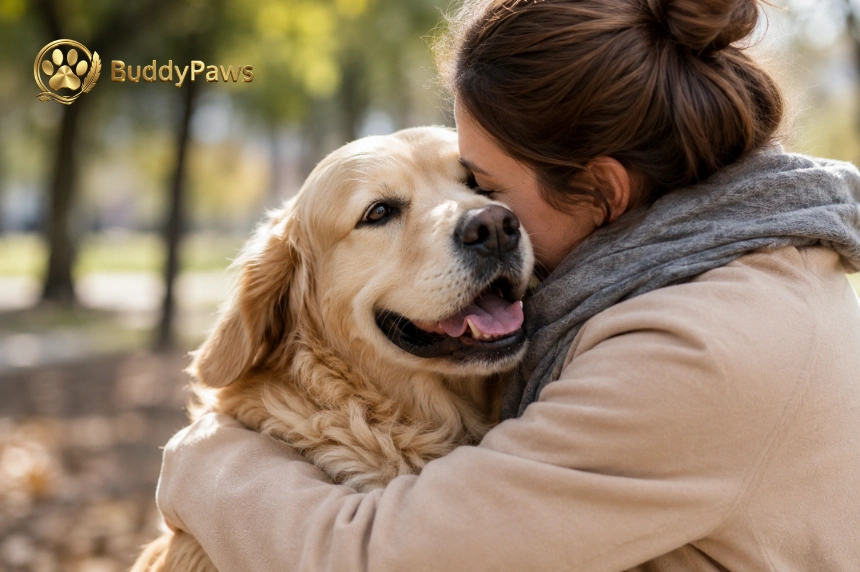
Pets that remember someone often display immediate excitement. Tail wagging, jumping, purring, vocalizing, or eagerly approaching a person can indicate recognition and positive associations from previous interactions.
A pet may lean against, cuddle with, or follow a familiar person around the home. These affectionate behaviors often reflect comfort, trust, and recognition built through past experiences.
Many pets react noticeably when they hear a familiar voice. Perked ears, attentive body language, and moving toward the speaker can suggest they recognize sounds associated with someone important.
When reunited with someone they remember, pets may quickly settle into calm and confident behavior. Familiarity often reduces uncertainty and helps animals feel safe and secure.
Members of a pet lovers community frequently share heartwarming stories about pets recognizing former owners, family members, or friends after years apart, highlighting the remarkable memory abilities many animals possess.
Pets sometimes resume behaviors linked to a specific person, such as waiting by a favorite chair or expecting certain activities. These actions may indicate retained memories and long-term associations.
Questions like can cats recognize their owners after years apart the science might surprise you continue fascinating pet lovers. Research into animal memory offers valuable insights into how pets form relationships, process experiences, and demonstrate remarkable cognitive abilities.
Pets are more likely to remember individuals associated with positive experiences. Consistent care, affection, and companionship help create lasting emotional bonds that can remain meaningful even after long separations.
Dogs and cats rely on multiple senses when identifying familiar people. Scent, voice, behavior, and routine often play a greater role in recognition than appearance alone.
The ability to retain information about people, places, and experiences suggests that pets possess sophisticated memory systems that support learning, adaptation, and social interaction throughout their lives.
Recognizing a familiar person may help pets feel secure and relaxed. Positive memories often contribute to stronger trust and a greater sense of stability in changing environments.
Research shows that meaningful relationships can affect how pets respond emotionally and behaviorally. Strong bonds often encourage confidence, reduce stress, and support overall well-being.
Communities like BuddyPaws allow pet owners to exchange stories, discuss behavior patterns, and learn more about how memory, intelligence, and emotional connections shape the lives of their beloved companions.
The ability of pets to remember people they haven’t seen for years highlights the remarkable depth of their memory, intelligence, and emotional awareness.
While dogs and cats may not recall experiences exactly as humans do, research shows that they can form lasting associations through scent, voice, routine, and meaningful interactions.
These memories often reflect the strong bonds pets develop with the people who care for them.
Whether it’s a dog recognizing a former owner’s voice or a cat responding to a familiar scent, these moments demonstrate the powerful connections that can endure over time.
Understanding how pet memory works not only helps us appreciate our companions more deeply but also strengthens the relationships we share with them.
As science continues to explore animal cognition, it becomes increasingly clear that our pets remember more than we once believed.
Loading blogs...