

Download Now


Share with your community!
Pet Community
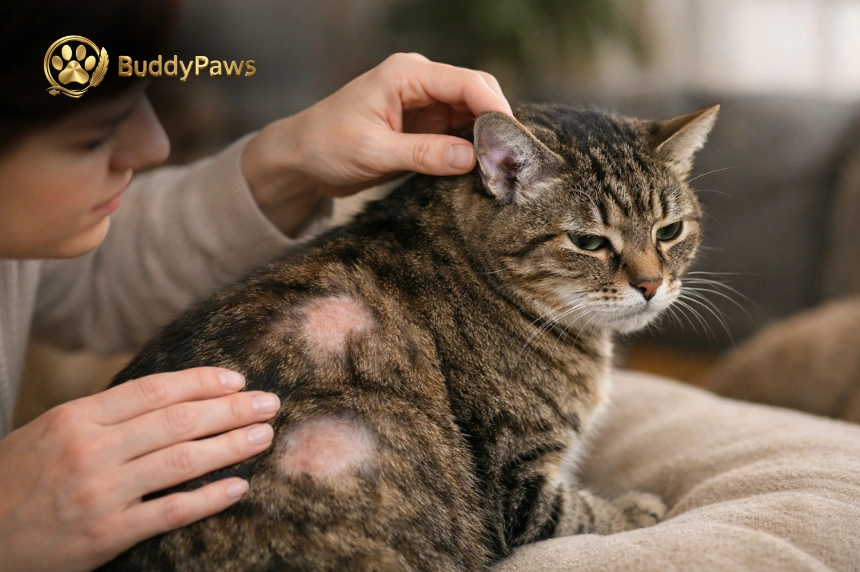
Cat hair loss is a common concern for pet owners and can range from mild shedding to noticeable bald patches.
While some hair loss is normal, excessive or sudden cat hair loss often signals an underlying issue that shouldn’t be ignored.
It may be caused by allergies, parasites, infections, stress, or poor nutrition. Understanding the root cause is the first step toward effective treatment.
In many cases, early attention can prevent the problem from getting worse and help your cat recover faster.
This guide covers the most common reasons behind cat hair loss, along with practical treatment options to keep your cat’s coat healthy, shiny, and full.
Hair loss in cats can result from various internal and external factors. Identifying the root cause early helps prevent worsening symptoms and ensures your cat receives the right care and treatment.
Cats can develop allergies to food, fleas, or environmental factors like pollen. These reactions often cause itching, scratching, and gradual hair loss, leading to irritated skin and discomfort over time.
Fleas, mites, and fungal infections are common cat fur loss reasons. These issues damage the skin, cause intense itching, and lead to patchy hair loss if not treated promptly.
Stress or anxiety can cause excessive grooming, leading to hair thinning or bald spots. Changes in environment, routine, or lack of stimulation often trigger this behavior in sensitive cats.
Cat hair loss can appear in different forms, depending on the cause. Identifying the type early helps you understand triggers, manage symptoms, and choose the right care approach.
Patchy hair loss appears in small areas across your cat’s body. It’s often linked to allergies, parasites, or infections and may worsen without proper care or early treatment.
This type occurs evenly on both sides of the body. It’s commonly caused by hormonal imbalances or stress-related overgrooming, leading to thinning fur without visible irritation or redness.
Cats naturally shed during seasonal changes, but excessive shedding may signal underlying problems. Knowing the difference helps prevent confusion and ensures your cat receives proper care when needed.
Stress or anxiety can cause cats to lick excessively, leading to noticeable hair loss. Many owners discuss such behavior patterns in the BuddyPaws community to find shared experiences and advice.
Injuries, scratches, or skin infections can cause localized hair loss. These areas may appear red or swollen and often require cleaning, monitoring, and sometimes veterinary attention for proper healing.
Hair loss in cats rarely appears alone. It’s usually accompanied by visible or behavioral changes that signal underlying issues and help identify the root cause more effectively.
Frequent scratching, licking, or biting can point to cat skin problems. These symptoms often indicate allergies, fleas, or infections that irritate your cat’s skin and lead to noticeable hair loss.
Visible bald spots in cats often appear with redness or inflammation. These patches may spread over time and usually indicate infections, mites, or allergic reactions needing proper attention.
Small scabs, wounds, or crusty areas may develop on your cat’s skin. These can result from excessive scratching or infections and should be checked early to prevent worsening conditions.
Cats experiencing discomfort may become irritable, restless, or withdrawn. Excessive grooming, hiding, or reduced activity often signals underlying health issues that may be linked to hair loss.
A dull, brittle, or thinning coat often signals deeper health issues. Many owners track such changes using an app for pet lovers to monitor patterns and share updates with professionals.
Treating cat hair loss depends on identifying the exact cause. A combination of medical care, home management, and preventive steps can help restore your cat’s healthy coat.
Vets may prescribe antifungal creams, antibiotics, or anti-parasitic treatments. These help treat infections, reduce irritation, and promote hair regrowth when used consistently and as directed.
Conditions linked to cat sneezing causes symptoms and when to see a vet may also affect overall health. Treating root illnesses ensures better recovery and prevents recurring hair loss problems.
A balanced diet rich in essential nutrients supports skin health and coat strength. Adding omega fatty acids can improve fur quality and reduce shedding or dryness over time.
Reducing stress through a calm environment, regular play, and attention helps prevent overgrooming. Comfortable surroundings play a key role in maintaining your cat’s overall well-being.
Consistent grooming helps detect early signs of hair loss. Many owners use a pet community app to track symptoms, share concerns, and stay informed about proper pet care routines.
While mild hair loss can resolve at home, certain symptoms require professional care. Knowing when to consult a vet helps prevent complications and ensures your cat gets timely treatment.
If your cat loses hair quickly or in large patches, it may signal serious health issues. Immediate veterinary evaluation helps identify causes and start effective treatment without delay.
Continuous scratching, licking, or biting indicates ongoing irritation. If symptoms don’t improve with basic care, a vet visit is necessary to diagnose underlying conditions accurately.
Open sores, swelling, or discharge are clear warning signs. These conditions require medical treatment to prevent infection spread and promote safe healing for your cat.
Hair loss combined with low appetite, lethargy, or unusual behavior can indicate deeper health problems. A professional check-up ensures early detection and proper medical support.
If home remedies fail to improve your cat’s condition, it’s time to consult a vet. Delayed treatment can worsen symptoms and make recovery more difficult over time.
Cat hair loss can be concerning, but it’s often manageable once you understand the cause.
From minor issues like seasonal shedding to more serious skin conditions, early attention makes a big difference.
Paying close attention to symptoms, behavior changes, and grooming habits helps you act quickly and prevent complications.
Simple steps like improving diet, reducing stress, and maintaining hygiene can support healthy fur growth.
However, if the condition persists or worsens, seeking veterinary advice is the safest choice. Staying informed and proactive ensures your cat remains comfortable, healthy, and happy.
With the right care and timely action, you can effectively manage hair loss and keep your cat’s coat looking its best.
Loading blogs...