
Download Now


Share with your community!
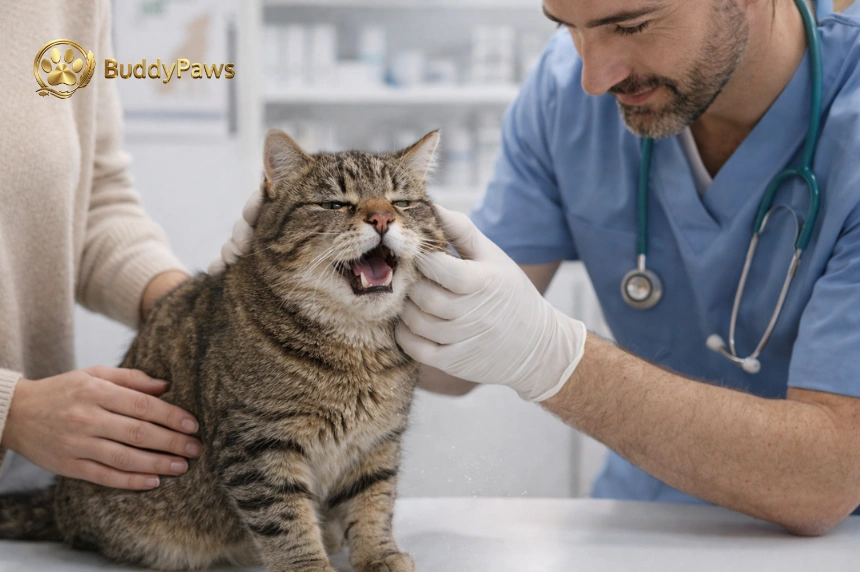
cat sneezing
Cat sneezing can seem harmless at first, but frequent episodes may signal an underlying issue.
Just like humans, cats sneeze to clear irritants from their noses, but infections, allergies, or environmental factors can also be responsible.
While an occasional sneeze is usually nothing to worry about, repeated sneezing combined with other symptoms may require attention.
Understanding the causes, recognising early signs, and knowing when to seek help can make a big difference in your cat’s health.
In this guide, we’ll explain everything you need to know about cat sneezing and how to respond effectively to keep your feline friend comfortable and healthy.
Sneezing in cats is common and often harmless, but repeated episodes can signal underlying issues. From minor irritants to infections, several factors can trigger sneezing. Understanding these causes helps you identify the problem early and take the right steps for care.
Dust, pollen, smoke, or strong perfumes can irritate a cat’s nasal passages, causing sneezing. Cats with sensitive respiratory systems may react quickly to these triggers. Keeping your home clean and free from harsh chemicals can help reduce such episodes.
If you’re wondering why your cat is sneezing a lot, an upper respiratory infection could be the reason. Viral or bacterial infections often cause frequent sneezing, along with symptoms like nasal discharge, watery eyes, and reduced appetite.
Sometimes, tiny particles like grass, dust, or debris can get stuck in a cat’s nasal passage. This irritation leads to repeated sneezing as the body tries to expel the object. Persistent sneezing may require a vet to safely remove it.
Dental infections, especially in the upper teeth, can affect the sinuses and cause sneezing. Bacteria from infected gums or teeth can spread, leading to inflammation in nearby nasal passages. Regular dental care helps prevent such complications.
In some cases, fungal infections can cause chronic sneezing in cats. These infections affect the nasal cavity and may lead to discharge or swelling. Veterinary diagnosis is essential, as treatment often requires specific antifungal medications for effective recovery.
Sneezing in cats is often accompanied by other noticeable signs. Recognising these symptoms early can help you identify possible cat cold symptoms or infections. Paying attention to changes in behaviour and physical health ensures timely care and prevents conditions from becoming more serious.
A runny nose often appears alongside sneezing and may be clear, yellow, or green. This symptom can indicate infections or allergies. Thick or coloured discharge usually suggests a more serious issue that may require veterinary evaluation and proper treatment.
Cats with sneezing may also develop watery, irritated, or red eyes. This often occurs due to infections or environmental irritants. Eye discharge or swelling should be monitored closely, as it can worsen and lead to discomfort or vision-related complications.
Sneezing cats may lose interest in food, especially if nasal congestion affects their sense of smell. Reduced appetite can lead to weakness if it continues. Ensuring proper nutrition and seeking veterinary advice helps maintain your cat’s overall health and energy levels.
A sneezing cat that appears tired or less active may be dealing with an infection. Discussions within the Buddypaws community often highlight lethargy as a key warning sign, encouraging pet owners to monitor energy levels and seek timely medical care.
If sneezing is paired with coughing or laboured breathing, it may indicate a respiratory condition. Difficulty breathing should never be ignored, as it can quickly become serious. Immediate veterinary attention ensures your cat receives proper diagnosis and treatment.
Occasional sneezing is normal, but frequent or severe episodes may signal a deeper issue. Along with concerns like cat vomiting types, common causes, and what to do, respiratory symptoms shouldn’t be ignored. Knowing the warning signs helps you decide when immediate care is necessary.
If your cat continues sneezing for more than a few days, it may indicate an infection or ongoing irritation. Persistent symptoms rarely resolve on their own and often require veterinary evaluation to identify and treat the underlying cause effectively.
Clear discharge is usually mild, but yellow, green, or bloody mucus can signal infection. This type of discharge often points to bacterial or viral issues that need proper diagnosis and medication to prevent the condition from worsening.
If your cat shows signs of laboured breathing, wheezing, or open-mouth breathing, it’s a serious concern. Breathing issues can escalate quickly and may indicate respiratory infections or airway blockages that need urgent veterinary care.
Sneezing combined with reduced appetite and noticeable weight loss can indicate illness. When cats stop eating, their health declines rapidly. Early intervention is important to ensure they receive the nutrients and treatment needed for recovery.
Unusual behaviour like hiding, irritability, or decreased activity may signal discomfort. Tracking such changes through a pet community app can help you notice patterns early and share accurate updates with your vet for better diagnosis and care.
If sneezing is paired with fever or extreme tiredness, it may indicate infection. These symptoms show your cat’s body is struggling to fight illness. Prompt veterinary attention ensures proper treatment and prevents further health complications
Knowing when to seek professional help is essential if your cat is sneezing frequently. While mild cases may resolve on their own, certain symptoms require expert care. Early veterinary attention can prevent complications and ensure your cat recovers quickly and comfortably.
If your cat continues sneezing for several days without improvement, it may not be a minor issue. Persistent symptoms often point to infections or chronic conditions that require proper diagnosis and treatment from a veterinarian.
Frequent sneezing along with nasal discharge, watery eyes, or breathing issues may indicate a cat respiratory infection. These infections can worsen quickly if untreated, so early veterinary care helps manage symptoms and supports faster recovery.
If your cat stops eating or drinking while sneezing, it’s a serious concern. Loss of appetite can lead to weakness and dehydration. Immediate veterinary attention ensures your cat receives proper care and maintains essential nutrition levels.
Blood in nasal discharge is not normal and should be taken seriously. It may indicate injury, infection, or other underlying issues. A veterinarian can perform necessary tests to determine the cause and recommend appropriate treatment.
Laboured breathing, wheezing, or open-mouth breathing signals a potential emergency. These symptoms may indicate airway obstruction or severe infection. Quick medical intervention is crucial to stabilise your cat and prevent life-threatening complications.
Using an app for pet lovers can help you monitor sneezing patterns, appetite, and behaviour changes. Sharing accurate records with your veterinarian supports better diagnosis and ensures your cat receives timely and effective treatment.
Cat sneezing is usually harmless, but it’s important to stay alert to changes in frequency and severity.
Occasional sneezing may simply be due to dust or minor irritation, but persistent symptoms can signal infections or underlying health issues.
By understanding the causes, recognising warning signs, and knowing when to seek veterinary care, you can protect your cat’s health effectively.
Simple steps like maintaining a clean environment and monitoring behaviour go a long way. Always trust your instincts as a pet owner; if something feels off, it’s best to consult a vet. Early action ensures your cat stays comfortable, healthy, and happy.
Loading blogs...