
Download Now


Share with your community!
Pet Community
Pets feel emotions, needs, and individual personalities just like humans do.
Food, shelter, and medical care keep them healthy on the outside, but consistent social interaction keeps them emotionally strong on the inside.
Many pet owners don’t realize that pets are always communicating through their behavior, posture, energy, and reactions.
We just need to observe closely. When you start recognizing the signs your pet wants to socialize, you gain a deeper understanding of what your pet feels and needs.
This connection helps reduce stress, boredom, and anxiety while building trust and security.
A pet that receives enough social attention becomes more cheerful, confident, and calm at home, turning ordinary daily routines into meaningful moments filled with love and companionship.
Socialization isn’t just a fun activity for pets; it plays a major role in shaping their emotional development.
A pet that receives regular interaction becomes more confident, less stressed, and more comfortable around new environments, people, and other animals.
But when bonding time is limited, their behavior slowly shifts.
They may become restless, clingy, or withdrawn, and these small changes are their way of signaling that something is missing.
Recognizing the signs your pet wants to socialize helps you respond to those emotional needs early.
With consistent attention, play, and companionship, your furry friend feels secure, happy, and balanced, and your bond becomes stronger than ever.
Animal behavior specialists who study pets in homes, shelters, and training environments have found repeated patterns that reveal when a pet is craving more attention and interaction.
These behaviors aren’t random; they are emotional signals.
By noticing these subtle clues, pet owners can better understand what their pets are feeling and what they need to stay mentally and emotionally healthy.
When you learn to identify the signs your pet wants to socialize, it becomes easier to respond with the bonding and affection they are asking for.
Below are the 7 most common signs.
Some pets follow their owners from room to room, paw your legs, climb onto you, nudge your hands, or stare at you nonstop.
This is one of the most common signs your pet wants to socialize. They aren’t being clingy, they’re trying to connect. Your touch and voice make them feel safe and loved.
Your pet suddenly sprints around the house, jumps constantly, or keeps pacing despite exercise? Those aren’t energy issues, they’re emotional signals.
Hyperactivity is one of the signs your pet wants to socialize, showing they need more engagement, activities, or interaction. Energy becomes a substitute when bonding time is missing.
Chewed shoes, scratched furniture, shredded pillows, and knocked-over objects don’t always mean your pet is “bad.”
Many destructive habits appear when pets feel lonely or understimulated. It’s one of the signs your pet wants to socialize; they seek stimulation or try to get your attention through actions they know you’ll react to.
A pet that skips meals, overeats, oversleeps, or suddenly stays awake at night may be asking for more connection.
Appetite and sleeping patterns are connected to emotional balance. These subtle but serious signs your pet wants to socialize tell you your pet might be feeling low, bored, or anxious due to a lack of interaction.
Some pets become extremely cheerful when guests or other animals arrive, not because they love strangers more, but because they crave interaction. It is one of the most overlooked signs your pet wants to socialize.
They’re saying, “I’ve been waiting for attention, fun, and bonding.”
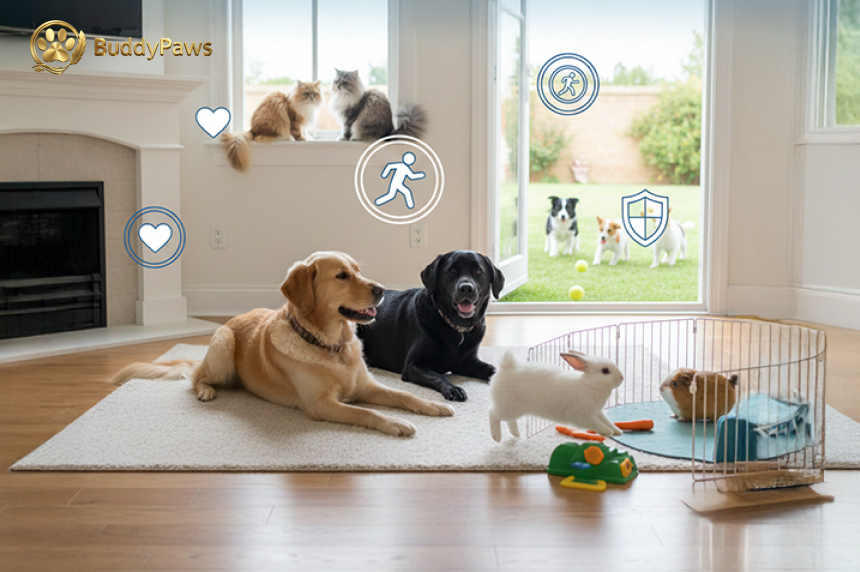
This is a great time to introduce new playmates. Many owners now use a pet community app to schedule playdates and social fun with other pet lovers.
If your pet barks, meows, chirps, howls, or whines more than usual, they may be trying to start a conversation.
Vocal behavior is communication, not noise. It’s one of the most expressive signs your pet wants to socialize. Pets use sound to request playtime, interaction, or emotional reassurance.
Many pets bring their favorite toy to their owner, drop it near them, or gently nudge it until the owner plays.
This simple action is one of the sweetest signs your pet wants to socialize. Playing together strengthens trust and fulfills your pet’s emotional needs.
Once you identify the signs your pet wants to socialize, you can take small steps that make a huge emotional impact:
Dedicated play sessions daily
Puzzle toys and brain games
Outdoor walks or pet-friendly parks
Interaction with other pets and people
Teaching new tricks or skills
Creating interactive indoor activities
Letting different family members share bonding time
Even 20–30 minutes of focused engagement each day can significantly improve behavior, mood, and confidence.
To simplify socialization, many pet owners now join pet-friendly platforms like BuddyPaws, which lets pets build new friendships, schedule social meetups, and join activity groups.
When life gets busy, apps like BuddyPaws help ensure your pet never misses valuable bonding time.
Pets can’t talk like humans, but they communicate their feelings in clear and meaningful ways every single day.
Once you start noticing the subtle signs your pet wants to socialize, everything changes. Your connection becomes deeper, and your home becomes warmer.
Acting out, constant vocalizing, clingy behavior, unusual sleep patterns, or bringing toys repeatedly are not random habits.
They are your pet’s way of saying, “I need more time with you.” When you make space for play, affection, and shared activities, your pet feels seen, loved, and emotionally secure.
In those moments, you’re not just taking care of an animal, you’re building a true friendship that brings happiness to both of your lives.
Loading blogs...