Pet Community
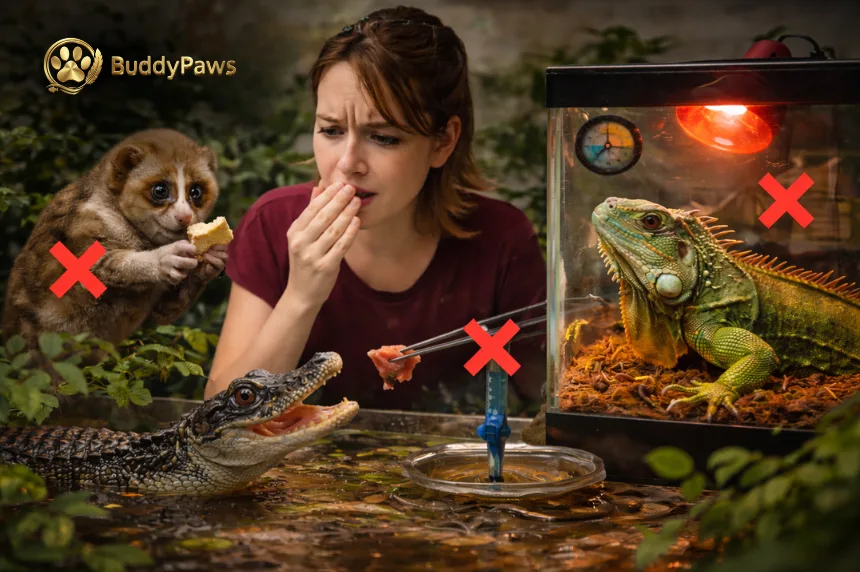
Exotic pets can be fascinating companions, but they often come with unique care requirements that many beginners underestimate.
Unlike traditional pets, these animals need specific habitats, diets, and environmental conditions to stay healthy. New owners sometimes make small errors that can lead to stress, illness, or behavioral problems for their pets.
Understanding these challenges early can help prevent serious issues later. Many exotic pet owner mistakes happen simply because people are unfamiliar with the animal’s natural needs or long-term responsibilities.
By learning about the most common mistakes in advance, new pet owners can create a safer, healthier environment and build a more rewarding experience while caring for their unusual and fascinating companions.
Exotic pets often have very different needs compared to common household animals. Understanding their natural behaviors, habitats, and diets is essential to keep them healthy and comfortable in a home environment.
Many exotic animals require controlled environments that mimic their natural habitats. Proper temperature, humidity, lighting, and space are essential to prevent stress, illness, and behavioral problems.
Many exotic pets require carefully planned diets to stay healthy. Lack of knowledge about nutrition often leads to beginner pet care errors, which may cause digestive issues, weakness, or long-term health problems.
Exotic animals still carry strong wild instincts. Without proper understanding of their behavior and enrichment needs, they may become stressed, aggressive, or withdrawn in a domestic environment.
Exotic pets can be exciting to care for, but they often require more preparation than many people expect. New owners sometimes overlook important details that affect the pet’s health, comfort, and long-term well-being.
Many new owners choose exotic pets based on appearance without learning about their care needs. Lack of research can lead to improper housing, incorrect diets, and difficulty meeting the animal’s natural requirements.
Exotic animals often require very specific environmental conditions. Habitat mistakes such as incorrect temperature, humidity, lighting, or enclosure size can create stress and serious health problems.
Different exotic pets require specialized diets. Feeding the wrong food or incorrect portions can cause nutritional deficiencies, digestive issues, and long-term health complications.
Some exotic pets live for many years and require consistent care throughout their lifespan. New owners sometimes overlook the long-term responsibility involved in maintaining proper habitats and daily routines.
Many people assume exotic pets rarely need veterinary attention. However, advice shared in places like the buddypaws community often highlights the importance of regular health checkups for exotic animals.
Some exotic animals prefer minimal handling and may feel stressed with frequent interaction. Overhandling can cause anxiety, defensive behavior, or health issues in pets that require calm environments.
Creating the right habitat is essential for the health and comfort of exotic pets. Beginners often overlook environmental details, which can lead to stress, illness, and behavioral problems in sensitive animals.
Many exotic pets rely on specific temperature ranges to stay healthy. Beginners sometimes fail to maintain proper heating or cooling, which can disrupt metabolism, digestion, and overall well-being.
Certain reptiles and invertebrates require carefully balanced humidity levels. When setting up habitats like a scorpion pet care setup, improper moisture levels can cause dehydration, molting problems, or stress.
Some owners select enclosures that are too small or poorly designed. Limited space can restrict movement, reduce enrichment opportunities, and increase stress for animals that need room to explore.
Proper lighting is important for many exotic pets, especially reptiles that need UVB exposure. Without the correct lighting setup, pets may develop bone problems or other serious health conditions.
Exotic animals need hiding spots, climbing areas, or natural elements to feel secure. Owners can also find habitat ideas and tips through an app for pet lovers.
Caring for an exotic pet can be rewarding, but it requires preparation and attention to detail. Learning a few practical tips early helps new owners avoid common mistakes and provide better care.
Before bringing an exotic pet home, study its habitat, diet, and behavior. Understanding these basics helps you prepare the right environment and avoid mistakes that affect the animal’s health.
Observing your pet regularly helps you notice unusual behavior. Understanding pet stress signals such as hiding, loss of appetite, or aggression can help you respond quickly.
Set up the enclosure before bringing the pet home. Ensure the temperature, lighting, humidity, and hiding spaces match the animal’s natural environment to help it settle comfortably.
Not all veterinarians specialize in exotic animals. Locate a qualified vet nearby who understands exotic species and can provide regular checkups and proper medical guidance.
Learning from experienced owners can prevent many beginner mistakes. You can exchange tips, care ideas, and advice by joining discussions through a pet community app.
Owning an exotic pet can be a fascinating and rewarding experience, but it also comes with unique responsibilities.
Many beginner mistakes happen simply because new owners underestimate the specific care these animals require.
From creating the right habitat to understanding diet, behavior, and health needs, every detail plays an important role in your pet’s well-being.
Taking the time to research and prepare properly can prevent common problems and help your pet thrive in a safe environment. Responsible ownership also means observing your pet regularly and adjusting care as needed.
With the right knowledge, patience, and commitment, first-time exotic pet owners can avoid common pitfalls and enjoy a positive, long-lasting relationship with their unique companions.
Loading blogs...