

Download Now


Share with your community!
Pet Community
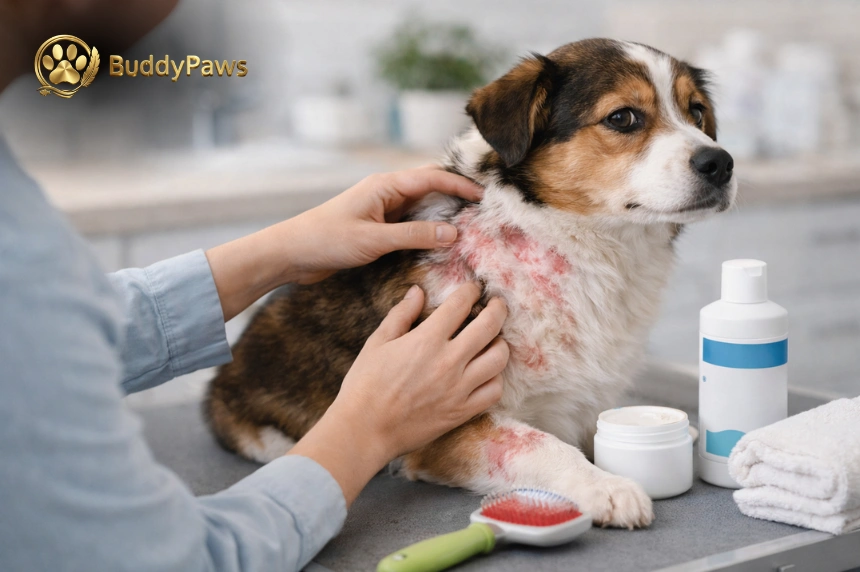
Dog skin problems are one of the most common health issues pet owners face. From constant itching and redness to hair loss and infections, these conditions can make your dog uncomfortable and restless.
Many dog skin problems are caused by allergies, parasites, poor nutrition, or environmental factors. While some issues are mild and easy to treat at home, others may need proper veterinary care.
That’s why early identification and the right treatment approach matter.
In this guide, you’ll learn about the most common skin conditions in dogs, their causes, effective treatments, and simple prevention tips to keep your dog’s skin healthy, clean, and irritation-free.
Skin problems in dogs are common and can affect their comfort and health. Identifying these conditions early helps you treat them effectively and prevent long-term irritation or infections.
Allergies from food, pollen, or dust often cause itching, redness, and rashes. This condition makes dogs scratch excessively, leading to skin damage and discomfort if not treated promptly.
Fleas, mites, and ticks are major dog itching causes. They irritate the skin, cause constant scratching, and may lead to infections or hair loss without proper treatment.
Infections like ringworm or bacterial dermatitis cause redness, odor, and inflammation. These conditions spread quickly and require proper medication to heal and prevent worsening of symptoms.
Dog skin issues often show early warning signs. Spotting these symptoms quickly helps prevent discomfort from worsening and ensures your dog gets timely care before minor irritation turns into a serious problem.
Frequent scratching, licking, or chewing certain areas often signals irritation. It may start mildly but can worsen quickly, leading to redness, sores, and increased discomfort if not addressed early.
Visible redness, swelling, or inflamed patches on your dog’s skin often point to dog allergies, infections, or irritants that need attention before they spread or become more painful.
Unexpected hair loss or patchy bald spots can indicate underlying skin problems. These may result from infections, parasites, or excessive scratching that damages the coat and skin.
A strong, unpleasant smell or any discharge from the skin may signal bacterial or fungal infections. Engaging with the buddypaws community can help you identify early signs and solutions.
Flaky or scaly skin often points to dryness, poor nutrition, or underlying conditions. If ignored, it can lead to itching, irritation, and more severe skin complications over time.
Dog skin problems can develop due to several internal and external factors. Identifying the root cause helps in choosing the right treatment and preventing recurring skin issues effectively.
Skin infection in dogs often results from bacteria or fungi growing on irritated skin. These infections cause redness, itching, and discomfort, requiring proper treatment to prevent spreading.
Fleas, ticks, and mites are common culprits behind itching and irritation. They can trigger allergic reactions and lead to infections if not treated promptly and effectively.
Dust, pollen, and mold can irritate your dog’s skin. These allergens often cause itching, redness, and inflammation, especially during seasonal changes or in polluted environments.
A lack of essential nutrients can weaken your dog’s skin health. Poor diet often leads to dryness, dull coat, and increased sensitivity to infections and irritants.
Irregular grooming, dirty surroundings, or lack of proper care can trigger skin issues. Using an app for pet lovers can help track grooming routines and maintain your dog’s hygiene.
Treating dog skin conditions requires a mix of proper care, medication, and lifestyle changes. Early treatment helps relieve discomfort and prevents minor issues from becoming severe health concerns.
Using vet-recommended shampoos helps soothe irritation and remove allergens. Regular medicated baths can reduce itching, control infections, and improve overall skin health when done correctly.
Topical treatments target affected areas directly. They help reduce inflammation, treat infections, and promote healing, especially for localised skin issues like rashes, hot spots, or minor wounds.
In severe cases, vets may prescribe antibiotics, antifungals, or antihistamines. These medications help control infections, reduce allergic reactions, and provide relief from persistent itching and discomfort.
Adding high-quality food and supplements improves skin health. Omega fatty acids and balanced nutrition help reduce dryness, support coat health, and strengthen your dog’s immune response.
Routine vet visits ensure early detection of skin problems. Professional guidance helps tailor treatments based on your dog’s condition and prevents recurring issues through proper care and monitoring.
Prevention is the best way to avoid skin problems in dogs. Simple daily habits and proper care can keep your dog’s skin healthy, reducing the risk of irritation and infections.
Frequent brushing and bathing help remove dirt, allergens, and loose hair. Proper grooming keeps the skin clean and reduces the chances of irritation and infections.
Understanding tick fever in dogs, symptoms, causes, and treatment helps you act early. Monitoring your dog’s behaviour and skin changes can prevent minor issues from becoming serious health concerns.
A nutritious diet supports healthy skin and coat. Including essential vitamins and fatty acids strengthens your dog’s immunity and reduces the risk of dryness and irritation.
Clean bedding and surroundings reduce exposure to allergens and parasites. Maintaining hygiene lowers the chances of skin infections and keeps your dog comfortable and itch-free.
Using a pet community app can help track grooming, health, and care routines. It also connects you with other pet owners for tips, advice, and better skin care practices.
Keeping your dog’s skin healthy starts with awareness and consistent care. From spotting early symptoms to understanding common causes, every small step makes a difference in preventing discomfort and long-term issues.
Simple habits like proper grooming, a balanced diet, and regular vet visits go a long way in maintaining healthy skin.
When problems do arise, timely treatment helps your dog recover faster and stay comfortable. It’s also important to stay proactive and monitor any changes in behaviour or appearance.
By combining prevention with the right care approach, you can ensure your dog stays happy, itch-free, and full of energy every day.
Loading blogs...