

Download Now


Share with your community!
Pet Community
Have you ever noticed how your dog thrives on structure and predictability?
A well-planned routine isn’t just about feeding and walks; it plays a huge role in your dog’s overall happiness and behaviour.
Creating the right dog daily routine helps reduce anxiety, improve discipline, and keep your pet mentally and physically balanced.
Without a clear schedule, dogs can become restless or bored or even develop unwanted habits. The good news is building a routine doesn’t have to be complicated.
In this guide, we’ll break down simple steps to create a consistent daily plan that keeps your dog active, engaged, and truly happy every single day.
A consistent dog schedule helps create stability, reduce anxiety, and improve behaviour. Dogs feel more secure when they know what to expect, leading to better emotional balance and daily habits.
Dogs thrive on predictability. A fixed routine for meals, walks, and rest helps them feel safe and reduces confusion, making them more relaxed and confident throughout the day.
Regular routines reinforce good habits. When activities happen at set times, dogs learn expectations easily, which reduces unwanted behaviours like excessive barking, restlessness, or attention-seeking.
A structured routine ensures your dog gets enough exercise, stimulation, and rest. This balance keeps them healthy, active, and mentally engaged, preventing boredom and related behavioural issues.
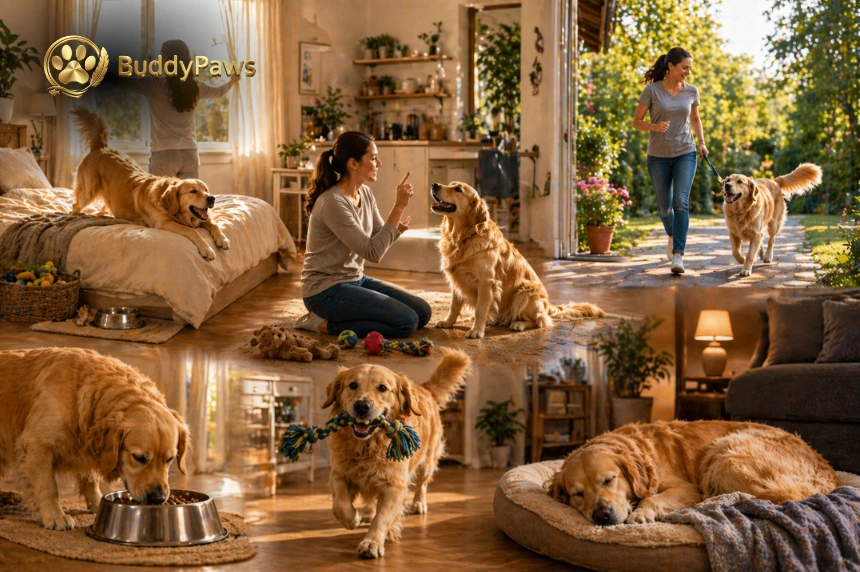
Creating a balanced routine is key to building healthy dog habits that support your pet’s overall well-being. A structured day keeps your dog active, engaged, and emotionally stable.
Feeding your dog at the same time each day supports digestion and promotes consistency. It also helps regulate energy levels and prevents overeating or unhealthy snacking habits.
Walks, playtime, and movement are essential for burning energy. Regular exercise keeps your dog fit, reduces stress, and prevents boredom-related behaviours like chewing or excessive barking.
Brain games, training sessions, or ideas from a pet care platform keep your dog mentally active. This prevents boredom, improves focus, and encourages positive behaviour throughout the day.
Dogs need proper rest to stay balanced. Scheduled downtime helps them recover, reduces overstimulation, and ensures they remain calm, relaxed, and emotionally stable.
Spending time with you or other dogs builds trust and confidence. Regular interaction helps your dog feel connected, reducing loneliness and promoting a happy, well-adjusted personality.
Creating a clear daily schedule helps prevent bored-dog signs and keeps your pet balanced. A structured routine supports better behaviour, consistent energy levels, and a happier, more well-adjusted dog.
Start the day with a walk or light play session. This helps release energy, improves mood, and sets a positive tone for the rest of the day.
Feed your dog at the same time each day. Consistent meals support digestion, create routine, and help your dog understand when to expect food without anxiety or overexcitement.
Allow your dog time to rest or engage with toys. This balance prevents overstimulation and helps build independence while keeping them calmly occupied during quieter hours.
Use evenings for training, play, or social interaction. You can also explore ideas through a pet community app to keep activities engaging and varied for your dog.
End the day with a short walk or quiet time. A calm night routine helps your dog relax, sleep better, and maintain a healthy daily rhythm.
Maintaining a routine requires flexibility as your dog’s needs change over time. Including dog mental stimulation and small adjustments ensures your pet stays engaged, balanced, and happy through different life stages.
Pay attention to energy levels, mood, and habits. Changes in behaviour can signal boredom or stress, helping you adjust routines to better match your dog’s current needs and lifestyle.
Puppies, adults, and senior dogs have different energy levels. Modify exercise, rest, and playtime as your dog ages to maintain comfort, safety, and overall well-being.
Adding variety prevents boredom. Rotate toys, try new games, or change walking routes to keep your dog mentally engaged and excited about daily routines.
You can explore ideas from the Buddypaws community to discover new routines, activities, and tips shared by other pet owners to keep your dog’s routine fresh and effective.
Stick to a general schedule but allow small adjustments when needed. This balance helps your dog feel secure while adapting to changes in your lifestyle or daily commitments.
Building and maintaining a daily routine for your dog is one of the most effective ways to support their overall happiness and well-being.
A consistent schedule provides structure, reduces anxiety, and helps your dog understand what to expect each day.
Over time, even small efforts like regular playtime, feeding, and mental activities create a strong sense of stability.
As your dog grows and their needs change, adjusting the routine becomes just as important as creating it.
The goal is to stay consistent while keeping things engaging and flexible. When you invest time in a thoughtful routine, you’re not just managing behavior, you’re creating a happier, healthier, and more balanced life for your dog every single day.
Loading blogs...