
Download Now


Share with your community!
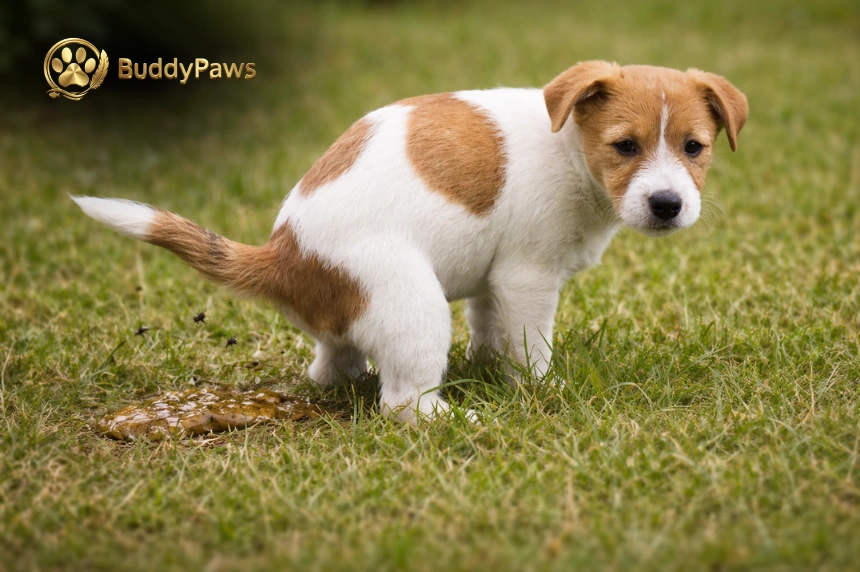
Dog Diarrhea
Dog diarrhea is something almost every pet owner deals with at some point. While it can be messy and stressful, it’s often your dog’s way of reacting to a sudden diet change, mild infection, or something they shouldn’t have eaten.
In many cases, dog diarrhoea clears up on its own with simple at-home care. However, it can also signal an underlying health issue that needs attention.
That’s why understanding the causes, recognising warning signs, and knowing the right home remedies is so important.
In this guide, you’ll learn what triggers dog diarrhea, how to manage it safely, and when it’s time to stop waiting and call your vet for help.
Diarrhea in dogs can happen suddenly and for many reasons. From diet issues to infections, understanding the root cause helps you manage symptoms quickly and prevent future digestive problems.
Switching your dog’s food too quickly can upset their stomach. Dogs need gradual transitions, as abrupt changes disrupt digestion and often lead to loose stools or temporary gastrointestinal discomfort.
Dogs often eat spoiled food, garbage, or non-food items during walks. This behavior can trigger dog loose motion, stomach irritation, infections, and digestive upset that may require close monitoring.
Bacterial infections, viral infections, or intestinal parasites such as worms can cause diarrhea in dogs. These issues often come with vomiting, weakness, or dehydration, making timely diagnosis and treatment important.
When it comes to dog diarrhea, it often shows clear warning signs beyond loose stools. Recognizing early symptoms helps prevent complications and supports faster recovery, especially when digestive issues start affecting your dog’s energy, appetite, and overall behavior.
Repeated watery stools throughout the day are the most obvious sign. Persistent episodes may point to dog digestive issues that require monitoring, especially if they continue longer than twenty-four hours.
If your dog seems tired and vomits along with diarrhea, it could signal an upset stomach in dogs. This combination often indicates infection, toxins, or something more serious needing attention.
Dogs with diarrhea often refuse food or eat less than usual. A sudden drop in appetite, especially with other symptoms, can indicate digestive discomfort or underlying health concerns.
Seeing blood or mucus in your dog’s stool is a serious warning sign. It may indicate infections, inflammation, or parasites. Many pet owners discuss such concerns in the BuddyPaws community.
Dry gums, excessive panting, or sunken eyes suggest dehydration. Diarrhea can quickly drain fluids, making it important to ensure your dog stays hydrated and receives care when needed.
Simple home remedies can help manage mild dog diarrhea and restore digestive balance. These solutions are easy to follow and often effective when symptoms are not severe or long-lasting.
Giving your dog a short break from food helps the digestive system reset. This method often reduces irritation and supports recovery from dog digestive issues without adding extra stress.
Feed boiled chicken and plain white rice in small portions. This gentle diet is easy to digest and helps firm up stools while providing enough energy during recovery.
Ensure constant access to clean water. You can also offer electrolyte solutions recommended by vets to prevent dehydration and keep your dog active and stable.
Probiotics help restore healthy gut bacteria and improve digestion. They are especially helpful after infections or antibiotic use and can reduce the chances of recurring diarrhea.
Tracking symptoms using an app for pet lovers can help you notice patterns, diet triggers, and improvements, making it easier to manage your dog’s health effectively at home.
If you’re wondering why my dog is not eating? Causes warning signs and what to do, diet plays a key role. The right foods can soothe digestion, while wrong choices may worsen symptoms.
This is the go-to meal for dogs with diarrhea. It’s gentle, low in fat, and easy to digest, helping calm the stomach and improve stool consistency.
Plain canned pumpkin supports digestion due to its high fiber content. It helps regulate bowel movements and can reduce both diarrhea and mild constipation effectively.
Milk and cheese can worsen diarrhea since many dogs are lactose intolerant. These foods may increase gas, bloating, and digestive discomfort during sensitive periods.
Rich, oily, or spicy foods can irritate your dog’s stomach further. Avoid table scraps and processed foods that may trigger more severe digestive upset.
Always provide clean, fresh water. Avoid flavored drinks or sugary liquids, as they can worsen symptoms and interfere with your dog’s recovery process.
While mild diarrhea is manageable at home, certain symptoms require immediate veterinary care. Knowing when to act can prevent complications and ensure your dog gets the right treatment quickly.
If symptoms continue beyond forty-eight hours, it may indicate infections or deeper health issues. Prolonged diarrhea should never be ignored, especially in puppies or older dogs.
Extreme lethargy, fainting, or inability to stand are emergency signs. Pet owners often share urgent experiences and advice on a pet community app during such situations.
When vomiting accompanies diarrhea and doesn’t stop, dehydration risks increase. This combination often signals infections, poisoning, or internal issues needing immediate medical care.
If your dog shows signs of fever, whining, or abdominal pain, consult a vet immediately. Many cases like these are discussed in pet forums, including the buddypaws community.
Sunken eyes, dry gums, and weakness indicate serious dehydration. Immediate veterinary care is necessary to restore fluids and prevent life-threatening complications.
Dog diarrhea can feel alarming, but in many cases, it’s manageable with the right care and attention.
Simple steps like monitoring symptoms, adjusting diet, and keeping your dog hydrated can make a big difference.
However, it’s important to stay alert and recognize when the situation may be more serious. Persistent diarrhea, unusual behavior, or signs like dehydration should never be ignored.
Acting early can prevent complications and keep your dog safe. Every dog is different, so understanding their normal habits helps you spot changes faster.
With the right balance of home care and timely veterinary support, you can handle dog diarrhea confidently and keep your furry companion healthy and comfortable.
Loading blogs...