
Download Now


Share with your community!
Pet Community
Bringing a dog into your life means giving them love, food, toys, and a safe home.
But there is one need that many pet parents unintentionally overlook.
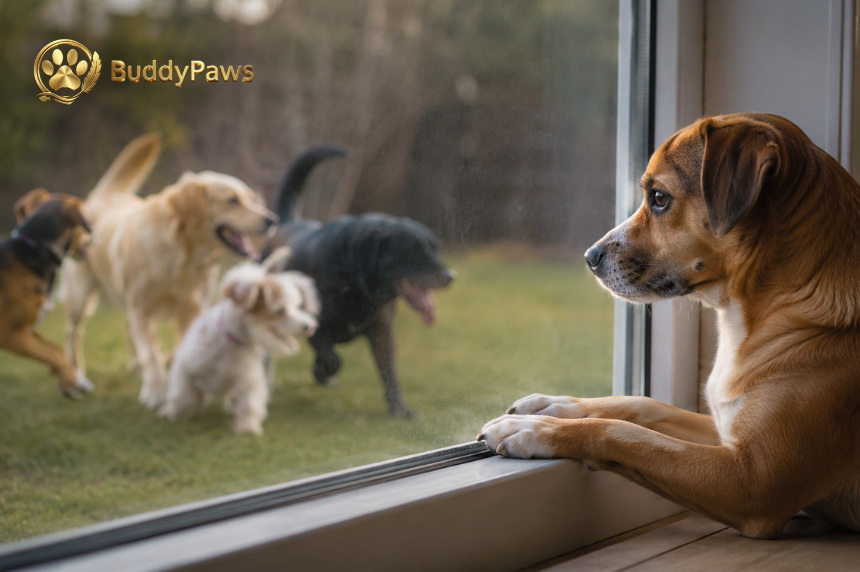
Social interaction with other dogs.
While not every dog enjoys playing with every dog they meet, healthy social experiences are an important part of a dog's emotional development. Dogs are naturally social animals, and a complete lack of interaction with their own species can affect their confidence, behavior, and overall happiness.
So, what happens when dogs never meet other dogs?
Let's explore what science and animal behavior experts have to say.
Dogs evolved from wolves, animals that lived and worked together in packs. Although today's dogs have adapted to life with humans, they still communicate naturally with other dogs through body language, scent, play, and vocalizations.
Meeting other dogs helps them learn:
Just like people, dogs learn by interacting with others.
Imagine never speaking to another person until adulthood.
Everything would feel unfamiliar.
The same can happen with dogs.
Dogs that rarely meet others often become anxious when they finally do. Instead of seeing another dog as a potential friend, they may view them as a threat simply because they lack experience.
Common signs include:
This is usually fear, not aggression.
Dogs communicate constantly.
A wagging tail, lowered ears, play bows, and subtle facial expressions all have meaning.
Without regular interaction, some dogs never fully learn this "language."
As a result, they may misunderstand other dogs during future encounters, leading to unnecessary stress or conflict.
People often assume loneliness only happens when a dog is left home alone.
But social loneliness is different.
Some dogs crave interaction with members of their own species.
If they never experience it, they may become:
Every dog is different, but meaningful social experiences can greatly enrich their lives.
Meeting new dogs in safe environments helps build resilience.
Dogs that are isolated from other dogs may struggle more when visiting:
Even seeing another dog from a distance may become stressful because it is unfamiliar.
The first few months of a puppy's life are critical for social development.
Positive experiences with friendly, vaccinated dogs during this period can help shape a confident adult dog.
Puppies that miss these experiences may require much more training later in life.
However, socialization should always happen safely and gradually.
No.
This is one of the biggest misconceptions.
Some dogs love large playgroups.
Others prefer one or two close companions.
Some senior dogs enjoy quiet walks more than energetic play sessions.
The goal is not to force friendships.
The goal is to give your dog opportunities to interact positively and choose what makes them comfortable.
Quality matters far more than quantity.
If your dog has had little social experience, start slowly.
Here are a few safe ways to build confidence:
Patience is key.
Many dogs become much more confident over time when interactions remain positive.
One challenge many pet parents face is knowing where to meet responsible dog owners.
Dog parks can sometimes be unpredictable.
Random encounters during walks may not always be suitable.
Many owners simply don't know anyone else nearby with dogs of similar size, age, or temperament.
That is where having a dedicated pet community becomes valuable.
Building a healthy social life for your dog should not depend on luck.
BuddyPaws is a pet community app designed to help pet parents connect with other responsible animal lovers nearby.
Instead of hoping to meet the right people during walks, you can become part of a growing community where pet owners share experiences, ask questions, discover pet-friendly places, and build genuine friendships.
Whether you have:
BuddyPaws makes those connections easier.
Because sometimes your dog isn't the only one who needs a friend.
Raising a pet can sometimes feel overwhelming.
Questions about behavior, nutrition, training, or health often leave owners searching through dozens of websites.
Being part of a community means learning from real experiences.
You celebrate milestones together.
Share advice.
Support each other through challenges.
And most importantly, you realize you're not raising your pet alone.
Dogs do not need hundreds of canine friends.
But they do deserve opportunities to communicate, explore, and build confidence through healthy social experiences.
If your dog has never met other dogs, it doesn't mean you've failed.
It simply means today is a great day to start creating those opportunities.
Small, positive interactions can make a lasting difference.
And when both pets and pet parents have a supportive community around them, everyone benefits.
If you're looking for a place where pets make friends and pet parents build meaningful connections, BuddyPaws is a great place to begin.
Loading blogs...