Pet Community
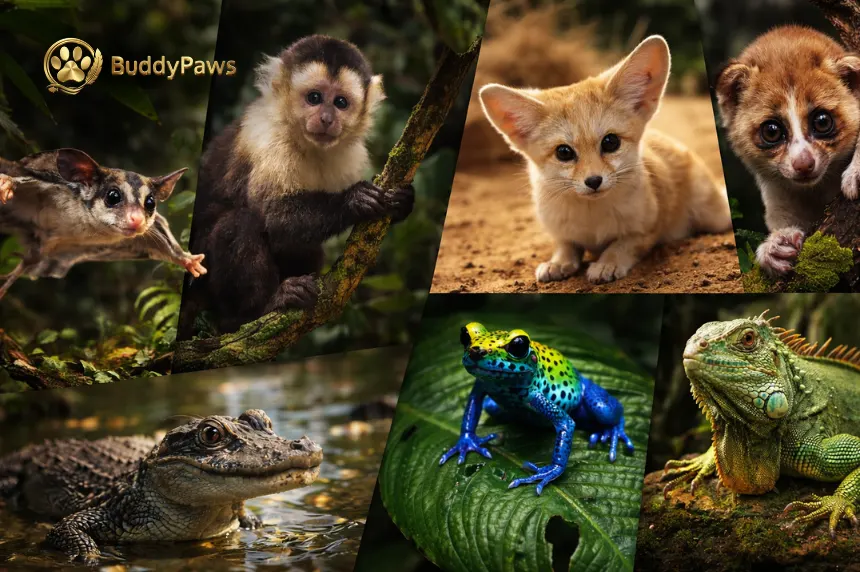
Exotic animals often attract attention because of their rare appearance and unusual behavior. While some people dream of owning these unique creatures, many countries have strict laws that prohibit keeping certain species as pets.
These regulations exist to protect wildlife, prevent safety risks, and ensure animals are not kept in environments that cannot meet their complex needs.
Many illegal exotic pets require specialized habitats, diets, and care that typical households cannot provide. In addition, some species may threaten local ecosystems if they escape or are released into the wild.
In this guide, we’ll explore seven exotic pets that are banned or restricted in many countries and understand the reasons behind these laws.
Many countries regulate or ban certain exotic animals as pets. These laws protect wildlife, ensure public safety, and prevent animals with complex needs from being kept in environments that cannot properly support them.
Some exotic animals have strong instincts, sharp claws, or dangerous bites. Governments restrict them because they can injure people, especially when kept in homes without proper training or secure facilities.
Many exotic pet laws exist because escaped animals can disrupt local wildlife. Non-native species may hunt native animals, spread diseases, or compete for food, causing long-term environmental damage.
Many exotic animals need specialized diets, large habitats, and controlled climates. When owners cannot provide these conditions, the animal’s health and welfare may suffer significantly.
Many exotic animals may look fascinating, but they are not suitable for life as household pets. Due to safety risks, conservation concerns, and strict wildlife protection laws, several countries restrict or ban certain species.
Slow lorises are small primates known for their large eyes and gentle appearance. Despite looking adorable, they are wild animals with specialized needs and can deliver a venomous bite.
A venomous bite can harm humans
Often trafficked illegally in the wildlife trade
Difficult to care for in home environments
Fennec foxes are small desert foxes with large ears and energetic personalities. While they may seem manageable, they require specific habitats and behaviors that make them challenging to keep.
Difficult to domesticate
Requires a specialized desert-like habitat
Risk of illegal wildlife trade
Capuchin monkeys are intelligent primates often seen in movies and TV shows. However, their intelligence and social needs make them extremely difficult to manage in a household setting.
Highly unpredictable behavior
Needs complex social environments
Can become aggressive with age
Sugar gliders are small gliding mammals that require social interaction and special diets. Many regions restrict them because owners often struggle to meet their unique care requirements.
Needs constant companionship
Specialized diet requirements
Stress in small home environments
Axolotls are fascinating aquatic amphibians known for their regenerative abilities. Many pet enthusiasts discuss their care in spaces like the buddypaws community, yet some regions still restrict ownership to protect native populations.
Protected native species in some regions
Sensitive environmental needs
Risk of illegal wildlife collection
Serval cats are wild African cats admired for their striking appearance and agility. Despite their beauty, they remain wild animals with strong hunting instincts and large space requirements.
Strong predatory instincts
Requires a large roaming space
Potential danger to humans and pets
Hedgehogs are small spiny mammals that many people find cute and manageable. However, certain countries and regions restrict them due to environmental concerns and potential health risks.
Risk of spreading diseases
May become an invasive species
Wildlife protection regulations
Governments create regulations to control the ownership of certain wild animals. These laws aim to protect public safety, preserve wildlife populations, and prevent animals from being kept in environments that cannot support their natural needs.
Some exotic animals have strong instincts, sharp teeth, or powerful claws. Governments restrict them to prevent injuries, attacks, or dangerous situations that can occur when wild animals are kept as pets.
Illegal wildlife trade threatens many exotic species. Even when people research topics like fennec fox feeding basics, removing these animals from the wild can harm natural populations and disrupt ecosystems.
Many exotic animals require specific diets, climates, and large natural habitats. Governments ban them as pets to prevent improper care that could cause stress, illness, or shortened lifespans.
Escaped or released exotic animals can become invasive species. Governments enforce restrictions to protect native wildlife, prevent ecological imbalance, and reduce long-term environmental damage in local ecosystems.
Authorities encourage people to choose animals that are easier and safer to care for. Educational resources and tools, including an app for pet lovers, can help owners make responsible pet choices.
Keeping exotic animals that are restricted or banned can create serious problems for both owners and the animals. Legal issues, safety concerns, and animal welfare risks often arise when these pets are kept in homes.
Legal penalties, including fines, confiscation of animals, or possible criminal charges
Risk of bites, scratches, or unpredictable aggressive behavior from wild animals
Difficulty providing proper diet, habitat, and medical care at home
Potential spread of diseases or parasites to humans and other pets
Escaped animals may harm local wildlife and disrupt natural ecosystems
Many people are drawn to exotic animals because of their unique appearance and behavior. However, there are several legal and easy-to-care-for pets that offer a similar sense of excitement without legal risks.
Leopard geckos are small reptiles known for their calm nature and simple care needs. They require a small terrarium, basic heating setup, and occasional feeding, making them beginner-friendly exotic-style pets.
Hedgehogs can be a safer alternative to many restricted animals that people try to keep as pets. With proper care, these small mammals are quiet, manageable, and suitable for responsible pet owners.
Aquarium fish such as bettas or guppies add vibrant colors and movement to any space. They require a clean tank, balanced water conditions, and regular feeding to stay healthy and active.
Budgies are social, intelligent birds that adapt well to home environments. With a clean cage, fresh food, and interaction, they can provide companionship without the risks associated with exotic wildlife.
African dwarf frogs are small aquatic pets that are easy to care for in home aquariums. Owners can also learn care tips and share experiences through a pet community app.
Exotic animals may seem exciting and unusual, but keeping them as pets is not always safe, legal, or ethical.
Many countries enforce strict regulations to protect wildlife, maintain public safety, and ensure animals are not kept in environments that cannot meet their natural needs.
While the idea of owning a rare animal can be appealing, it’s important to respect these laws and understand the responsibilities involved.
Choosing legal and well-suited pets allows you to enjoy companionship without risking legal trouble or harming wildlife populations.
By learning about responsible pet ownership and exploring safer alternatives, pet lovers can still enjoy caring for unique animals while supporting animal welfare and environmental protection.
Loading blogs...