

Download Now


Share with your community!
Pet Community
In the quiet Belgian town of Berlaar, a small blue racing pigeon became the center of one of the most remarkable auctions in animal history. Her name was New Kim, and in November 2020 she was sold for an astonishing €1.6 million, roughly $1.9 million at the time.
The price shocked even the people who had raised her.
New Kim was not simply a beautiful bird with an impressive pedigree. She was a proven champion, bred and trained by renowned Belgian pigeon fancier Gaston Van de Wouwer. Before she ever entered the auction room, she had already earned a reputation as an exceptional young racer. Her achievements, pedigree, and breeding potential combined to make her one of the most desirable pigeons in the world.
But her record-breaking sale also revealed something larger: the extraordinary value humans can place on animals when competition, genetics, prestige, and money intersect.
New Kim was born into Belgium's famous racing pigeon culture, where generations of breeders have carefully developed birds capable of navigating long distances at remarkable speed. Belgium remains one of the most influential countries in the sport, and elite pigeons can become internationally sought-after breeding animals.
As a young bird, New Kim distinguished herself in competition and became one of the stars of the Van de Wouwer loft. Her racing record was strong enough that when the breeder's pigeons were placed for sale, international buyers immediately paid attention.
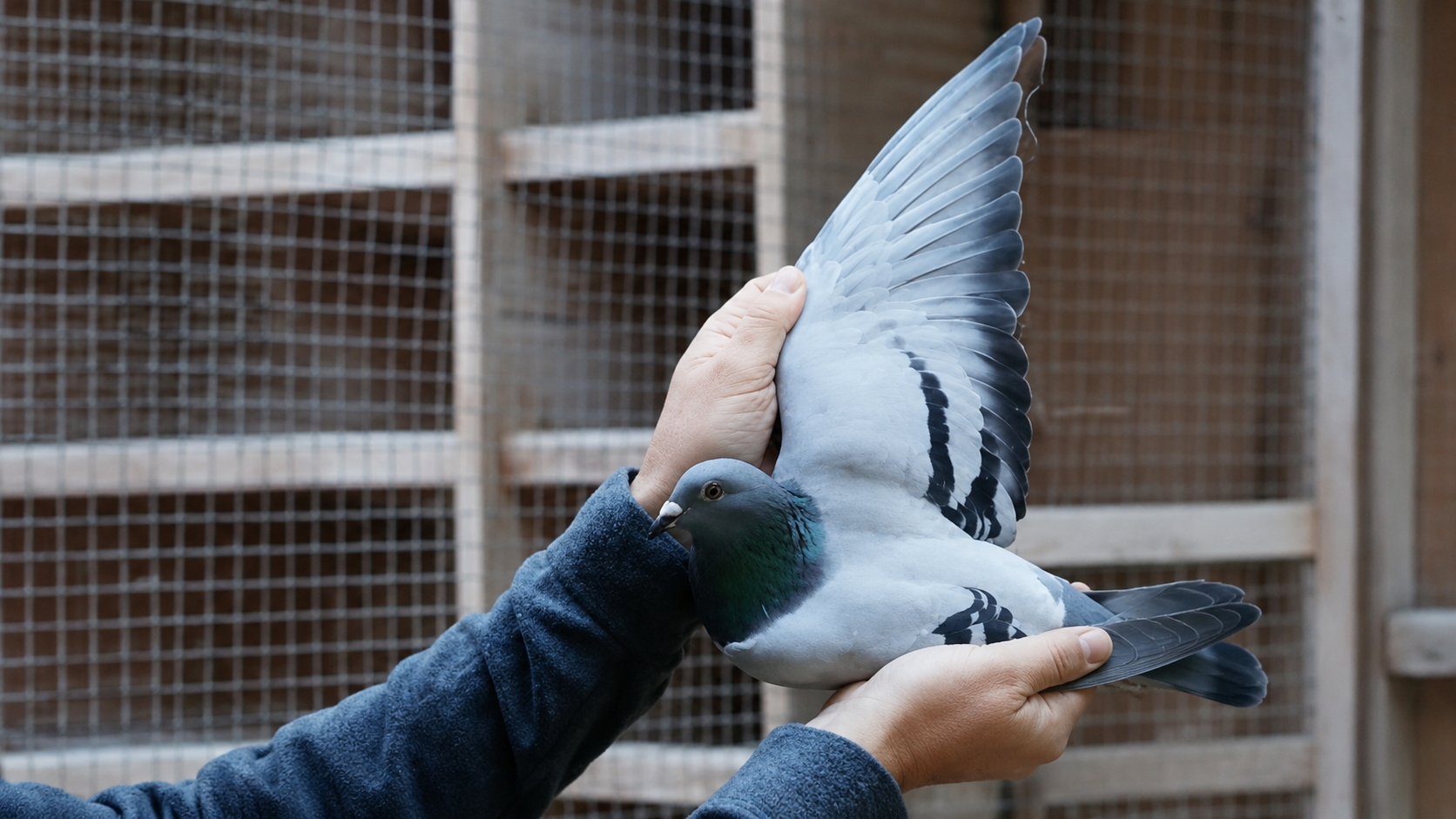
What happened next went far beyond ordinary pigeon racing.
Bidding on New Kim began at a tiny fraction of the amount she would eventually command. As the auction gathered momentum, wealthy international buyers competed for the chance to own her. The price climbed rapidly into hundreds of thousands of euros and then passed the million-euro mark.
When bidding finally closed at €1.6 million, New Kim became the most expensive pigeon ever sold at an online auction, according to PIPA, one of the world's best-known racing pigeon auction platforms.
Her buyer was reported under the pseudonym "Super Duper," a name associated with a Chinese buyer. China has developed an enormous interest in elite European racing pigeons, especially birds with proven bloodlines that can strengthen breeding programs.
For New Kim, the sale effectively ended her racing career. Her future value was no longer in the races she might fly, but in the genetics she could pass to the next generation.
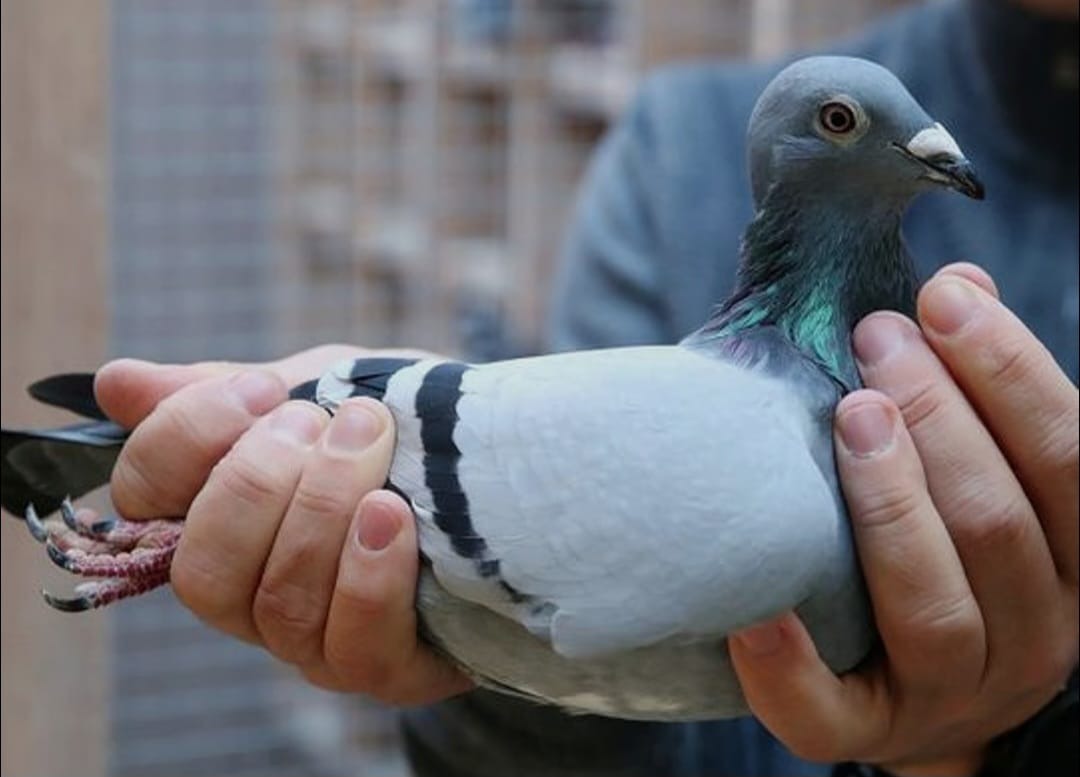
New Kim's story is fascinating because it sits at the intersection of sport, breeding, economics, and animal welfare.
A racing pigeon can be both a living animal and, in the eyes of the market, a genetic investment. Buyers may pay extraordinary sums for proven lineage because descendants of championship birds can themselves become valuable racers or breeding stock.
That creates an uncomfortable question.
At what point does admiration for an animal's extraordinary abilities become pressure to turn that animal into a commercial asset?
There are many dramatic online claims about what happened to New Kim after the sale, including stories about reproductive problems, legal disputes, and financial losses. Reliable public reporting, however, is limited on those details. What is clearly documented is the record €1.6 million sale and the enormous commercial interest surrounding her bloodline.
That distinction matters. An animal's story should be compelling without adding suffering that cannot be responsibly verified.
What New Kim unquestionably demonstrates is how quickly a champion animal can shift from athlete to breeding investment once enough money enters the picture.
New Kim's influence did not disappear after 2020.
Her name and bloodline continued to carry enormous prestige within the racing pigeon world. In 2025, another exceptional bird named New Kim 3 became one of Belgium's leading yearling pigeons in the heavy middle-distance category.
New Kim 3, bred by Benny and Bart Vanhoudt, earned the title of 1st National Ace Pigeon Heavy Middle Distance Yearlings KBDB 2025 after an outstanding season that included several high national and provincial finishes.
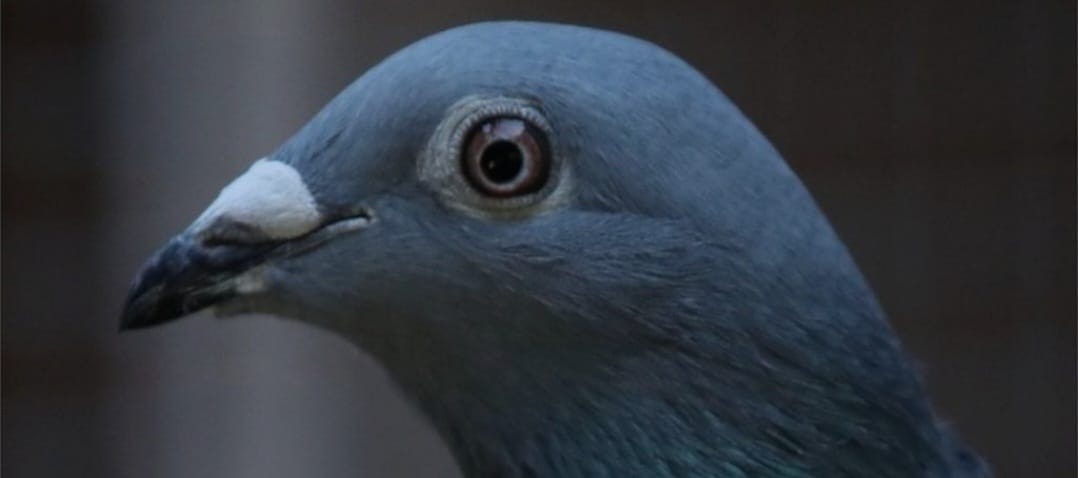
Her pedigree included a direct connection to the famous New Kim family, and that connection helped draw enormous attention when she was placed at auction.
In October 2025, New Kim 3 sold for €400,000 to a Chinese buyer. The amount made her one of the most expensive female racing pigeons ever sold and proved that the New Kim name remained powerful years after the original record-breaking auction.
For breeders, this was evidence of the enduring value of a respected bloodline. For animal lovers, it is also a reminder of how intensely human markets can shape the lives of animals whose natural abilities are turned into prestige and profit.
It is easy to focus only on the astonishing numbers.
€1.6 million.
€400,000.
Championship rankings.
Elite pedigrees.
But New Kim herself never understood any of those things.
She did not know what an auction was. She did not know she had broken a financial record. She did not know that people thousands of kilometers away were discussing her genetics as an investment.
She was a pigeon.
A highly trained, highly capable, living bird whose body had been shaped by generations of selective breeding and whose instincts allowed her to do something humans have admired for centuries: find her way home across enormous distances.
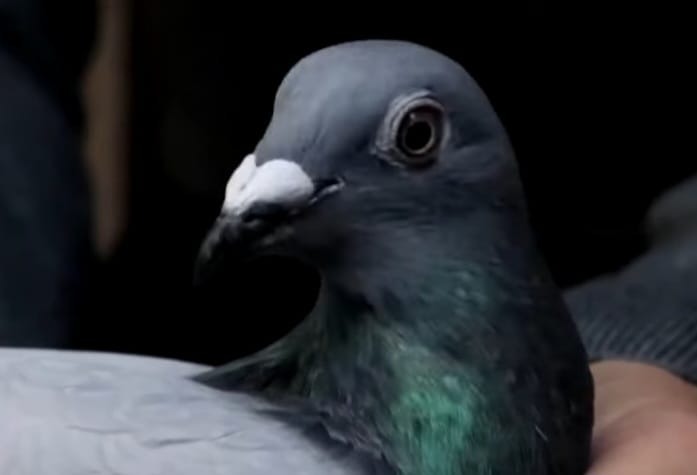
That may be the most important perspective in her story.
Animals can achieve extraordinary things. They can win races, detect disease, guide people, protect ecosystems, rescue humans, and form bonds that change lives. But the value of an animal should never depend entirely on a trophy, a bloodline, a price, or what that animal can produce for us.
Racing pigeon culture includes passionate caretakers who devote enormous time and attention to their birds. At the same time, any competitive animal industry raises welfare questions that deserve thoughtful discussion.
Transport, training, breeding expectations, housing, competition schedules, and commercial pressure can all affect an animal's quality of life. The higher the financial stakes become, the more important it is to remember that the subject of the transaction is still a living creature with physical limits.
The lesson is not that achievement should never be celebrated. New Kim's abilities were genuinely extraordinary.
The lesson is that achievement should never erase welfare.
A champion deserves excellent care when winning, when breeding, when aging, and when no longer commercially valuable.
That principle applies far beyond pigeon racing. It applies to horses, dogs, livestock, exotic animals, and any species whose talent or genetics become part of a market.
New Kim's record-breaking sale will remain one of the most remarkable moments in modern pigeon racing. She became famous because humans placed an extraordinary monetary value on her achievements and bloodline.
But her deeper legacy can be something more meaningful.
Her story invites us to ask how we define value.
Is an animal valuable because it wins?
Because it produces valuable offspring?
Because someone is willing to pay millions?
Or is there a more basic value that exists before every trophy, auction, and pedigree?
At BuddyPaws, we believe the answer is simple. Every life deserves to be seen, loved, respected, and protected for more than what it can earn.
Open your Buddy's Journal on BuddyPaws to discover more remarkable animal stories, welfare insights, and a community that celebrates animals for who they are, not just what they can do.
Download BuddyPaws today: https://linktr.ee/buddypaws01
Loading blogs...