

Download Now


Share with your community!
Pet Community
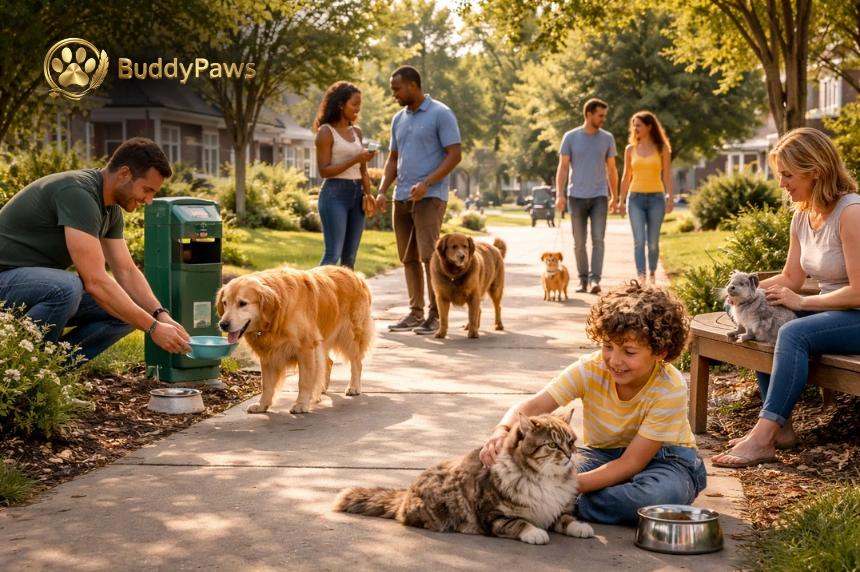
A pet-friendly community doesn’t just happen on its own; it’s intentionally built with care, planning, and a shared commitment to making everyday life easier for pets and their owners.
As more families across the U.S. bring pets into their homes, neighborhoods are rethinking how to create safer, cleaner, and more welcoming spaces for animals.
This guide walks you through simple, practical steps to build a pet-friendly neighborhood without overwhelming rules or complicated processes.
From designing safe walking routes to encouraging responsible pet habits, every change contributes to a happier, more connected environment.
Whether you're a homeowner, community leader, or property manager, this guide will help you shape a pet-friendly community that truly feels good for everyone.
Creating a true pet-friendly community starts with understanding what pet owners value most in their daily lives.
They want a neighborhood that supports their routines, keeps their pets safe, and makes it easy to enjoy outdoor time without stress.
When these needs are recognized, communities naturally become more inclusive, relaxed, and enjoyable for everyone. Pet owners look for practical features, but they also appreciate a community mindset that welcomes animals and respects shared spaces.
By focusing on comfort, accessibility, and safety, you can build an environment where pets and people feel equally supported.
Reliable access to clean green spaces
Safe routes for walks and exercise
Convenient pet waste disposal points
Community rules that encourage responsible behavior
Amenities like pet parks, water stations, or play zones
Building a truly pet-friendly neighborhood takes more than allowing pets; it requires thoughtful planning, accessible spaces, and a supportive environment for both animals and their owners.
When these elements come together, the entire area feels more welcoming, active, and community-driven.
Below is a detailed look at the key features that help shape a strong, pet-friendly community that families enjoy being part of.
Pet owners walk their pets several times a day, so smooth, well-lit sidewalks are essential.
Clear pathways reduce accidents, keep walks enjoyable, and support daily pet exercise routines. When routes feel safe, residents are more likely to connect and socialize as well.
Pets need open areas to run, explore, and relax. Green spaces also give owners a peaceful place to unwind outdoors.
A neighborhood with clean lawns and open play areas quickly becomes a favorite spot for families with pets.
Easy-to-access waste bag dispensers and trash bins help keep the environment clean.
When placed at key points around the community, they encourage responsible habits and maintain a fresh, odor-free neighborhood everyone can appreciate.
Clear, reasonable housing rules make life easier for both residents and property managers. Welcoming responsible pet owners, not restricting them unnecessarily, creates a more inclusive and stable neighborhood environment.
Pet meetups, training sessions, or adoption drives help strengthen bonds within the neighborhood. These events also work well when supported by digital tools like a pet community app, making it easy for residents to connect, share updates, and stay informed.
Having veterinary clinics, groomers, and pet supply stores nearby makes daily routines much easier. Some areas even promote local services through an app for pet lovers, helping residents discover trusted resources quickly.
Creating a welcoming, pet-supportive neighborhood doesn’t happen overnight; it requires planning, teamwork, and steady improvements.
When done right, it transforms your area into a warm and lively pet-friendly community where pets and people feel comfortable, safe, and connected.
Begin by gathering residents to talk about pet-related needs, challenges, and ideas. Hearing everyone’s opinions helps you make fair decisions and ensures pet owners and non–pet owners feel equally involved. This early communication builds trust and sets the foundation for better cooperation.
Walk around your neighborhood and note what’s missing: safe pathways, pet waste bins, dog parks, or shaded areas. A simple visual assessment helps you build a clear roadmap and prioritize which upgrades matter most to residents.
A community works smoothly when expectations are clear. Outline easy-to-follow rules like leash requirements, quiet hours, and responsible waste disposal.
Keep the guidelines positive rather than restrictive so residents feel encouraged, not controlled.
Pets need regular exercise, so make sure your neighborhood has safe sidewalks, open lawns, or designated play spaces.
Even a small fenced area can make a huge difference for dogs that need off-leash time to burn energy and socialize.
Installing waste-bag dispensers and trash bins around high-traffic areas encourages cleanliness.
When the tools are easy to access, people are more likely to follow good habits, keeping the neighborhood clean for everyone.
Plan simple gatherings like dog meetups, pet parades, or training workshops. These events bring neighbors together and build a sense of belonging. You can also use a pet community app to share event reminders, updates, or photo highlights.
Offer quick guides or digital flyers on proper pet care, local pet laws, and safety tips.
When pet owners understand their responsibilities, the entire community benefits from less noise, fewer conflicts, and a higher-quality living environment.
Partner with nearby vets, groomers, trainers, or pet stores to create special discounts or community programs.
These partnerships help improve access to essential services and strengthen the supportive network around pet owners.
Communication plays a major role in building a cohesive neighborhood.
An app for pet lovers can help residents report concerns, share lost-pet alerts, ask questions, or coordinate activities. It keeps everyone informed and engaged with minimal effort.
A thriving pet-friendly community grows and evolves. Ask residents for regular feedback on what’s working and what still needs improvement.
This ongoing input helps you make smarter decisions and build a space that truly reflects the needs of everyone.
Building a pet-friendly community is rewarding, but it comes with challenges that require balance, cooperation, and thoughtful planning.
Understanding these hurdles early helps you create practical, long-term solutions that keep both pet owners and non–pet owners comfortable.
Many neighborhoods don’t have enough open space for dog parks, walking zones, or play areas. This makes it difficult to give pets a safe place to run or socialize.
Solution: Repurpose small unused corners or shared lawns into micro play zones or walking loops.
Noise, cleanliness, and personal preferences can lead to disagreements, especially when pets are involved. Misunderstandings can quickly escalate if not addressed properly.
Solution: Create simple, friendly guidelines to set expectations for everyone.
One of the biggest complaints is uncollected pet waste, which affects hygiene and overall neighborhood appeal.
Solution: Install waste stations in high-traffic areas to encourage responsible habits.
Loose pets, poor lighting, or unsafe walking paths can create risky situations for residents. Safety concerns often discourage outdoor activities.
Solution: Improve lighting, repair sidewalks, and promote leash rules within the community.
Even with great plans, a neighborhood can’t improve if residents don’t participate. Low engagement slows progress and reduces awareness of pet-friendly initiatives.
Solution: Host small events or online discussions to encourage involvement and build momentum.
Building a pet-friendly community doesn’t require massive changes, just consistent effort, practical planning, and a shared commitment to creating a comfortable environment for pets and their owners.
When neighbors work together, even small improvements can transform the neighborhood into a safer, cleaner, and more welcoming place.
From adding pet amenities to encouraging responsible habits, every step helps strengthen the bond between residents.
A thoughtful, pet-focused approach not only supports animals but also brings people closer, making the entire community feel more connected and enjoyable for everyone.
Loading blogs...