
Download Now


Share with your community!
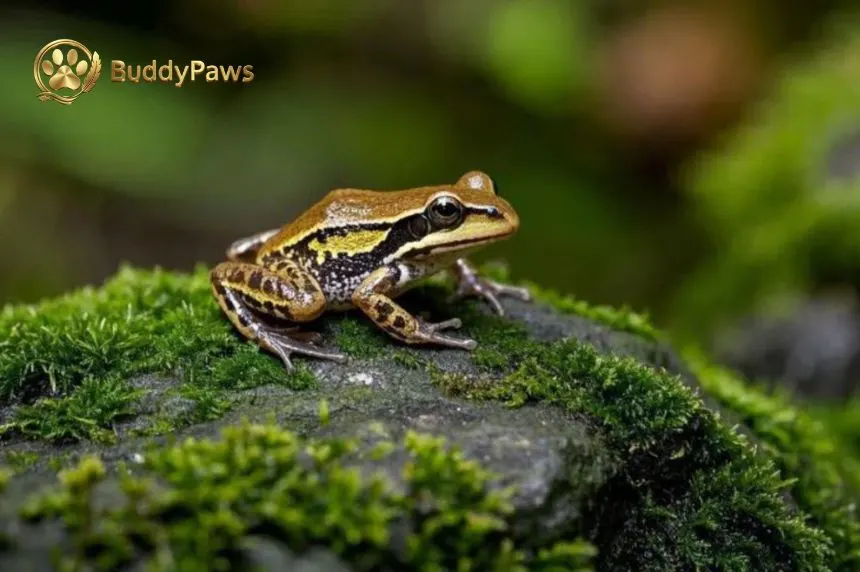
Pet Frog
Designing a great frog habitat starts with understanding how these small amphibians live in the wild.
A well-planned setup keeps them healthy, active, and stress-free while giving you a beautiful display to enjoy every day.
In this guide to pet frog enclosure ideas, you’ll learn how to create a micro-habitat that feels natural, supports proper humidity, and encourages natural behaviors like climbing, hiding, and exploring.
Whether you’re caring for a tree frog, dart frog, or another species, the key is building a space that balances function and creativity.
With the right plants, lighting, and layout, you can turn a simple enclosure into a thriving mini-ecosystem your frog will love.
Understanding where frogs come from helps you build an enclosure that feels safe and natural.
Each species relies on specific temperatures, moisture levels, and hiding areas that support healthy activity and long-term comfort.
Most frogs come from rainforests, wetlands, or humid forests. They need steady moisture to breathe through their skin, stay hydrated, and move comfortably throughout their enclosure.
Temperature, humidity, and light cycles directly influence feeding, movement, and rest. Good amphibian care means recreating these natural conditions so your frog stays active and stress-free.
In the wild, frogs hide under leaves, logs, and plants. Providing similar cover in the enclosure helps reduce stress and encourages natural behaviors like resting, hunting, and exploring.
Choosing the right enclosure style is the foundation of any successful frog terrarium setup.
Different frog species have different needs, so picking the right shape, size, and design ensures your pet stays healthy and comfortable.
Tree frogs prefer tall tanks for climbing, while ground-dwelling frogs need wide, horizontal space. Choosing the correct style supports natural movement and reduces your frog’s stress.
Many keepers on a pet community app share what works best for specific frog species. Their real-world tips help you choose an enclosure that fits your frog’s behavior and care needs.
Front-opening terrariums offer safe handling and easy cleaning. Good airflow prevents mold and keeps humidity balanced, creating a healthier environment for your frog.
Glass tanks hold humidity well, while acrylic enclosures are lightweight and clear. Both work, but glass generally offers better long-term durability for wet, humid amphibian habitats.
A bioactive enclosure creates a self-sustaining mini-ecosystem with live plants and cleanup crews. It reduces maintenance, enriches your frog’s environment, and looks beautiful close to nature.
Building a healthy frog habitat means focusing on the essentials your amphibian needs to feel safe and thrive.
Just like learning sugar glider bonding tips, understanding these basics helps you create a stress-free, supportive environment from day one.
Frogs rely on moisture to breathe and stay hydrated. Maintaining stable humidity prevents dryness, supports natural movement, and keeps your frog comfortable throughout the day.
Most frogs need warm and cool zones to self-regulate. A gentle gradient helps maintain energy levels, digestion, and overall health without stressing the frog.
Choose substrates like coconut fiber, sphagnum moss, or soil mixes. These help maintain humidity, offer soft footing, and allow natural behaviors such as burrowing and hiding.
Add logs, plants, caves, and foliage. Frogs feel safer when they have sheltered areas to retreat to, reducing stress and encouraging natural resting habits.
Live plants, branches, and climbing pieces enhance enrichment and mimic wild environments. Many pet frog enclosure ideas use these features to encourage exploring, climbing, and nighttime activity.
Designing a natural-looking habitat is one of the most enjoyable parts of a frog terrarium setup.
A thoughtful layout not only looks beautiful but also supports your frog’s instincts and daily activity.
Mix slopes, flat areas, and raised sections using soil, cork, and rocks. These layers give the enclosure dimension and encourage natural climbing, resting, and exploring behaviors.
Adding live plants creates a rainforest feel while improving humidity and air quality. Broad leaves and trailing vines give frogs shade, hiding spots, and natural perching areas.
Shallow pools, mini waterfalls, or dripping areas mimic wild environments. These features keep humidity steady and offer safe, enriching spots for drinking and soaking.
Use bark, moss, driftwood, and leaf litter. These textures make the enclosure feel wild and help your frog move confidently, just as they would in their native habitat.
Many owners in the BuddyPaws community share inspiring terrarium builds. Their creative layouts can help you experiment with new ideas while keeping your frog’s comfort and safety in mind.
Keeping your frog’s habitat clean doesn’t have to be difficult.
With the right routine and a few smart habits, you can maintain a healthy environment that supports your frog’s well-being and fits perfectly with your pet frog enclosure ideas.
Remove waste, old food, and shed skin. Daily spot-cleaning keeps the habitat fresh, reduces odors, and prevents bacteria from building up inside the terrarium.
Change water in bowls or pools every day. Clean, dechlorinated water supports hydration, soaking, and overall health while preventing harmful bacterial growth.
Use a gentle, reptile-safe cleaner to wipe glass, decor, and high-humidity areas. This helps stop mold and keeps the enclosure visually clear and safe for your frog.
Use digital monitors or tools recommended on an app for pet lovers to keep conditions steady. Frogs depend on stable climates for proper hydration and stress-free living.
Depending on the setup, change the substrate weekly or monthly. Fresh substrate supports proper humidity, reduces waste buildup, and helps create a cleaner, healthier habitat for your frog.
Creating the perfect frog micro-habitat is all about blending good care with a natural, comfortable design.
When you understand your frog’s needs for humidity, warmth, shelter, and safe decor, you can build an enclosure that keeps them healthy and active every day.
Whether you prefer a simple setup or a lush, naturalistic layout, the goal is always the same: give your frog a space that mirrors its natural environment and supports instinctive behaviors.
With consistent cleaning, smart monitoring, and thoughtful enrichment, your terrarium becomes more than a tank; it becomes a thriving mini-ecosystem.
Now that you’ve explored ideas, tips, and layout options, you’re ready to create a beautiful habitat your frog will enjoy for years.
Loading blogs...