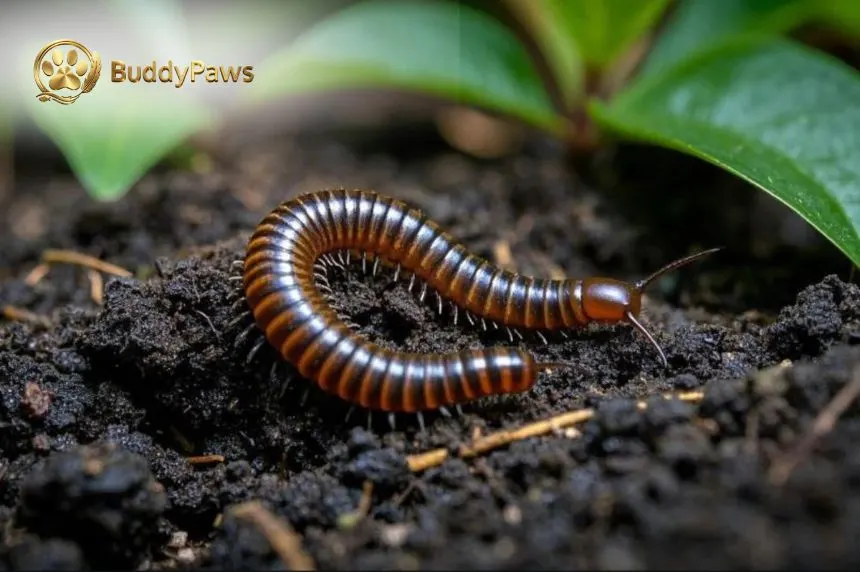
Pet Millipedes
Caring for a millipede is simpler than most people expect, and this pet millipede guide is here to walk you through the essentials.
These slow-moving, gentle critters make surprisingly relaxing pets, especially for beginners who want something low-maintenance but still interesting to watch.
In this guide, you’ll learn how to choose a beginner-friendly species, set up a healthy habitat, and care for your new companion with confidence.
Millipedes don’t need much to thrive, but they do require the right environment and routine.
By the end, you’ll know exactly what to expect, how to keep your millipede comfortab;e, and how to avoid the common mistake new owners make.
Millipedes make surprisingly great starter pets for anyone looking for a calm, low-maintenance companion.
They don’t need complicated routines or constant attention, and their slow, steady movements make them fun to watch. Here are three reasons they’re ideal for beginners:
Millipedes only need simple upkeep, such as occasional misting, fresh food, and a clean substrate. Their care routine stays consistent, making them perfect for new pet owners learning the basics.
Millipedes move slowly and rarely act defensively, which helps new owners feel relaxed when handling them.
Their calm nature makes setting up a millipede enclosure less intimidating and encourages beginners to enjoy the learning process.
Millipedes thrive on budget-friendly setups and inexpensive foods like veggies, fruits, and decaying leaves.
Keeping them healthy doesn’t require costly equipment, making them accessible for first-time pet keepers.
Choosing the right millipede species is an important first step for beginners. Each species has its own care needs, temperament, and habitat preference.
Picking one that matches your comfort level makes learning smoother and keeps your millipede happy from the start.
Some millipedes stay calm and slow-moving, which makes handling easier for beginners. This helps new owners gain confidence as they learn basic invertebrate care without feeling overwhelmed.
Hardy species tolerate small mistakes with humidity, temperature, or feeding. These resilient millipedes are ideal for learning the ropes and adjusting your routine as you go.
Millipedes come in many sizes, from tiny to impressively long. Beginners often prefer medium-sized species because they’re easy to see, handle, and keep in a simple habitat.
Some millipedes enjoy warm, humid environments, while others prefer cooler, drier setups. Choosing a species that matches your home’s natural conditions makes care easier and more consistent.
Always buy captive-bred millipedes from reputable sellers. Many beginners turn to the BuddyPaws community for trusted recommendations, ensuring they start with a healthy, well-cared-for pet.
Caring for millipedes starts with understanding their simple, plant-based diet. This section breaks down what’s safe to offer and what to avoid, giving you guidance that even crosses over into stick insect care basics for new invertebrate keepers.
Fresh vegetables like cucumbers, carrots, and leafy greens.
Soft fruits such as bananas, apples, and melons in small amounts.
Decaying hardwood leaves and rotting wood for natural nutrition.
Calcium sources like cuttlebone shavings support exoskeleton health.
High-quality moss that’s pesticide-free and safe for terrarium use.
Citrus fruits (too acidic and irritating).
Onions and garlic (toxic to millipedes).
Processed foods or anything salty or seasoned.
Pesticide-treated plants can poison your millipede.
Protein-heavy foods like meat or pet kibble, which they can’t digest.
Daily millipede care is simple, especially since they’re naturally low-stress pets that thrive with steady routines.
Understanding how they move, react, and rest helps you create a calm environment where they feel secure.
These tips will guide you through gentle handling, easy upkeep, and recognizing normal millipede behaviors.
Millipedes depend on consistent humidity. Light misting every day or two keeps the substrate damp but never soggy. Balanced moisture prevents dehydration and supports their natural burrowing habits.
Provide fresh fruits, veggies, and leaf litter to keep their diet clean and safe. Remove old food promptly to avoid mold and pests that could harm your millipede’s digestive system.
Millipedes prefer to walk onto your hand rather than being picked up. Gently coax them with a flat palm. Many new owners learn this technique through helpful guides on a pet community app, making handling easier and less stressful.
Burrowing is a normal, comforting activity. Millipedes may stay hidden for long stretches, which simply means they feel secure. As long as humidity and temperature stay stable, there’s no need to worry.
A curled posture is a harmless, natural reaction to sudden movement or vibrations. If you see it often, slow your approach and keep handling gently to build trust.
Millipedes don’t need frequent deep cleaning. Spot-clean waste, remove moldy patches, and refresh substrate every few months. This preserves beneficial microbes that help maintain a healthy habitat.
Keeping your millipede healthy starts with spotting issues early, and many owners use an app for pet lovers to track care routines.
Most health problems come from humidity, diet, or habitat conditions, so quick action can make a big difference in recovery.
Dehydration: Shriveled appearance or sluggish movement. Boost humidity and offer fresh moisture sources. Seek help if signs don’t improve within 24–48 hours.
Mold growth on the body: Caused by overly damp, poorly ventilated enclosures. Clean the habitat and increase airflow. Contact a specialist if mold continues spreading.
Unusual lethargy: Long rest periods are normal, but constant stillness may signal stress or illness. Recheck habitat levels; seek help if there is no change after adjustments.
Incomplete molts: Stuck segments or deformed new exoskeletons indicate humidity issues. Correct conditions immediately and consult an expert if problems repeat.
Persistent foul odor: Millipedes shouldn’t smell. Strong odors can suggest infection or decay. Separate the millipede and seek urgent professional guidance.
Wrapping up your journey into millipede care, it’s clear these gentle creatures make rewarding, low-maintenance companions for beginners.
With the right habitat, steady humidity, and a simple diet, millipedes thrive quietly and comfortably in most homes.
This pet millipede guide has covered everything from choosing the right species to understanding daily care, handling, and spotting early health concerns.
Once you learn their rhythms, millipedes become relaxing pets that are easy to care for and fun to observe.
As you gain confidence, you’ll find that small adjustments in their environment go a long way in keeping them healthy.
With patience and consistency, your millipede will enjoy a long, stress-free life under your care.
Loading blogs...