

Download Now


Share with your community!
Pet Parents
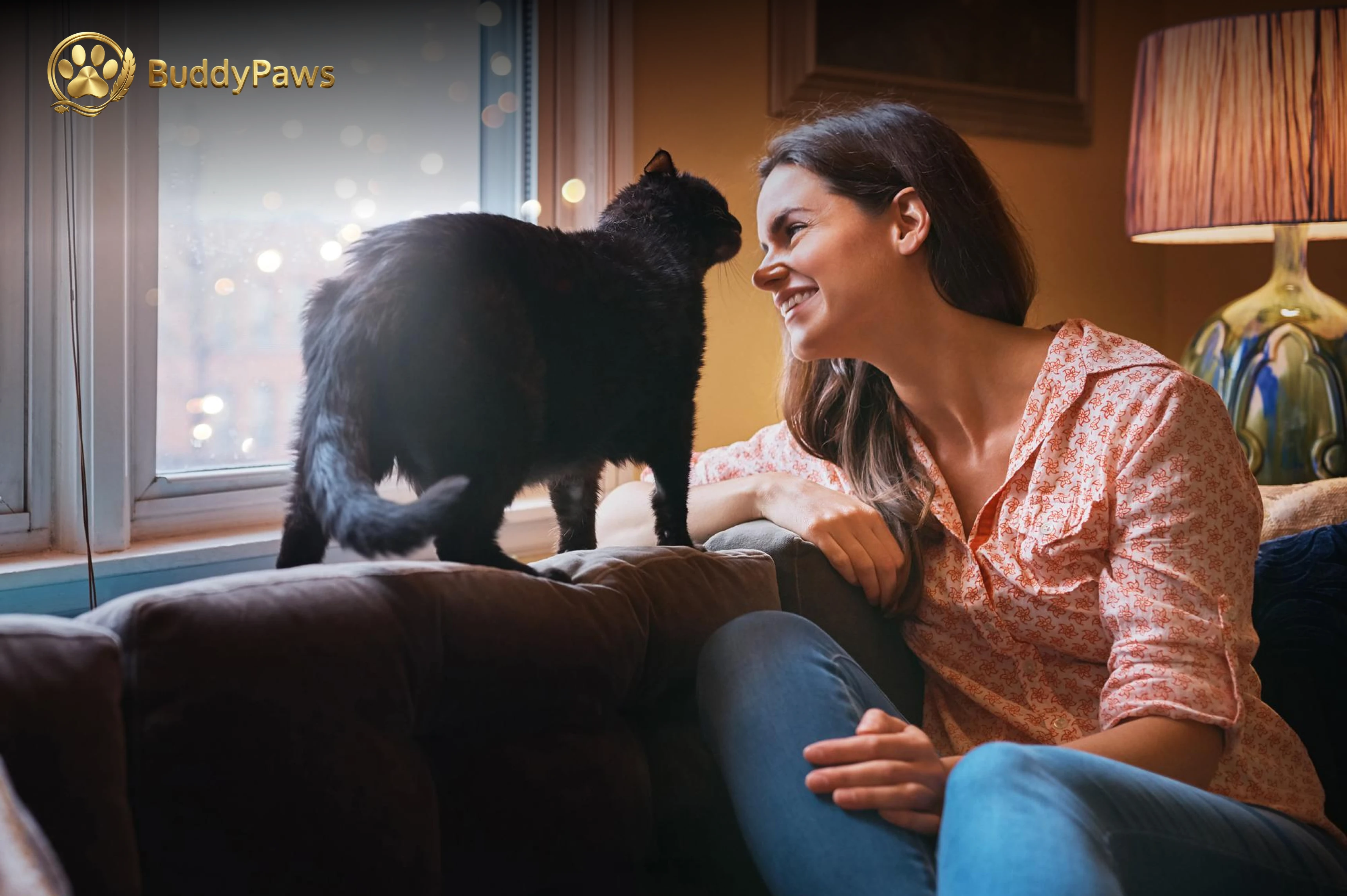
Pet parents often open up about their animals long before they talk about their own lives. This behavior feels natural, effortless, and emotionally safe.
At the heart of this pattern is pet parent social behavior, where pets act as emotional extensions of their owners.
Talking about a pet removes personal pressure and replaces it with warmth, pride, and shared joy. Pets don’t carry social labels or expectations, which makes conversations smoother.
When pet parents talk about their dogs, cats, or other companions, they’re really sharing parts of themselves without feeling exposed.
This comfort explains why casual chats at parks, vet clinics, or online spaces often revolve around pets instead of personal struggles or achievements.
The emotional connection between pet parents and their pets runs deep. Pets offer loyalty, routine, and comfort without conditions.
This bond shapes pet parent social behavior, influencing how owners communicate and relate to others. Pets become emotional anchors, making them easier to talk about than personal fears or goals.
Pets often reflect their owners’ moods and habits. When pet parents describe their pets’ personalities, they’re indirectly sharing their own emotional states. These conversations feel lighter and less vulnerable, allowing emotions to surface naturally without direct self-disclosure.
Pets don’t judge mistakes or failures. This unconditional acceptance strengthens emotional security. When pet parents speak about their pets, they speak from a place of trust, which makes conversations feel safe even with strangers.
Feeding schedules, walks, and playtime create consistent emotional bonds. These routines become meaningful stories. Sharing them feels familiar and grounding, which explains why pet-centered topics come up so easily in social settings.
Many pet parents see their pets as family. Talking about them mirrors how people discuss loved ones. This sense of family connection helps explain pet parent social behavior in public and online interactions.
Pets create a safe emotional outlet for pet parents. They make it easier to share feelings indirectly, without fear of judgment or oversharing. By shifting focus away from the self, pets help emotions flow naturally and comfortably in everyday interactions.
Pets often mirror their owner’s moods through behavior and energy. When pet parents talk about a pet’s anxiety, excitement, or habits, they’re subtly expressing their own emotions. This indirect sharing feels lighter and removes the pressure of openly explaining personal feelings to others.
Sharing pet stories feels casual, not personal. These moments turn emotions into relatable experiences instead of confessions. Simple pet conversations allow pet parents to communicate joy, stress, or concern without making the discussion about themselves, which keeps emotional walls low.
Unlike personal struggles, pets rarely invite criticism. Talking about them feels socially safe, especially for social anxiety in pet owners who fear being misunderstood. Pets provide emotional distance, helping people open up while still feeling protected in unfamiliar or uncomfortable social situations.
Pets help express feelings without naming them. Instead of saying “I feel lonely,” pet parents might talk about a quiet evening with their pet. This approach lets emotions surface naturally, without labels that often make people feel exposed or vulnerable.
Talking about pets redirects focus from the individual to a shared subject. This shift lowers self-consciousness and allows emotions to emerge organically. Pets become the message carrier, helping feelings come across without the weight of direct personal attention.
Pets act as social connectors, turning emotions into shared experiences. They function as pets as social bridges, helping pet parents communicate feelings through mutual understanding. This gentle connection makes emotional expression feel natural, supportive, and free from social pressure.
Talking about pets removes emotional risk from conversations. Pets offer a neutral, warm topic that doesn’t invite judgment or personal scrutiny.
For many people, especially in casual or first-time interactions, pet-centered discussions feel easier, safer, and far less emotionally demanding than self-focused conversations.
Personal opinions, struggles, or achievements often invite comparison or judgment. Pets rarely do. When someone talks about their pet, listeners respond with curiosity or affection, not criticism. This makes sharing feel emotionally safe and keeps conversations light, positive, and socially comfortable.
Talking about yourself requires emotional exposure. Pets redirect attention outward. This shift reduces self-consciousness and performance pressure, allowing people to relax. Emotions still surface, but indirectly, making the interaction feel controlled rather than emotionally risky or overwhelming.
Not everyone shares the same beliefs or life experiences, but many people appreciate animals. Pets provide neutral territory where conversations don’t become political, competitive, or personal. This shared comfort zone makes interactions smoother and easier to sustain with strangers.
Pet stories carry emotion without revealing deeply personal details. Listeners connect with the experience rather than evaluating the speaker. These pet conversations allow people to express care, stress, or happiness without feeling exposed or emotionally scrutinized.
For social anxiety in pet owners, talking about themselves can feel intimidating. Pets remove the pressure to perform socially. They offer ready-made topics, predictable responses, and positive engagement, making conversations feel manageable instead of stressful or emotionally draining.
Pets act as emotional shortcuts to connection. They function as pets as social bridges, helping people bond quickly without oversharing. This allows relationships to start gently, with trust building over time rather than through immediate personal disclosure.
People naturally smile, laugh, or relax when pets come up. These reactions reinforce safety and warmth in conversations. This positive feedback loop explains how pets bring people together, even when individuals have little else in common initially.
Talking about pets allows people to share feelings without labeling them as personal traits. Instead of saying “I’m lonely,” someone might describe time spent with their pet. This indirect expression feels safer and avoids emotional vulnerability while still communicating genuine feelings.
Shared pet stories create fast, natural bonds between people. They spark familiarity, warmth, and emotional comfort, even among strangers.
Pets provide common ground, making conversations flow easily and helping connections form without the awkwardness or pressure that often comes with personal topics.
When someone shares a pet story, listeners instantly relate through emotion rather than logic. Laughter, concern, or affection come naturally. This reflects pet parent social behavior, where pets act as emotional extensions of their owners, helping strangers connect quickly without needing shared backgrounds or personal histories.
For social anxiety pet owners, starting conversations can feel intimidating. Pet stories remove that barrier. They offer a safe, predictable topic that invites positive responses. This reduces conversational pressure and helps people feel accepted, understood, and more confident in social interactions.
Repeated pet stories often lead to ongoing interactions. Over time, these moments create small communities based on shared experiences. Online platforms like a pet community app amplify this effect by turning casual stories into lasting social connections among like-minded pet parents.
In digital environments, pet stories travel even faster. Photos, anecdotes, and advice shared through an app for pet lovers create instant familiarity. These shared narratives help strangers feel emotionally close, turning simple interactions into meaningful connections built around mutual love for pets.
In the end, pets do far more than offer companionship; they shape the way people connect, communicate, and feel understood.
Through shared stories and everyday moments, pet parent social behavior reveals why conversations about pets feel safer, warmer, and more genuine than talking about ourselves.
Pets remove judgment, ease emotional pressure, and help strangers bond naturally. They turn simple interactions into meaningful exchanges rooted in empathy and shared joy.
Platforms like BuddyPaws build on this instinctive connection, giving pet parents a space to share, relate, and belong.
When words feel hard to find, pets speak for us, bridging emotional gaps and turning strangers into familiar faces through shared love and understanding.
Loading blogs...