Pet Community
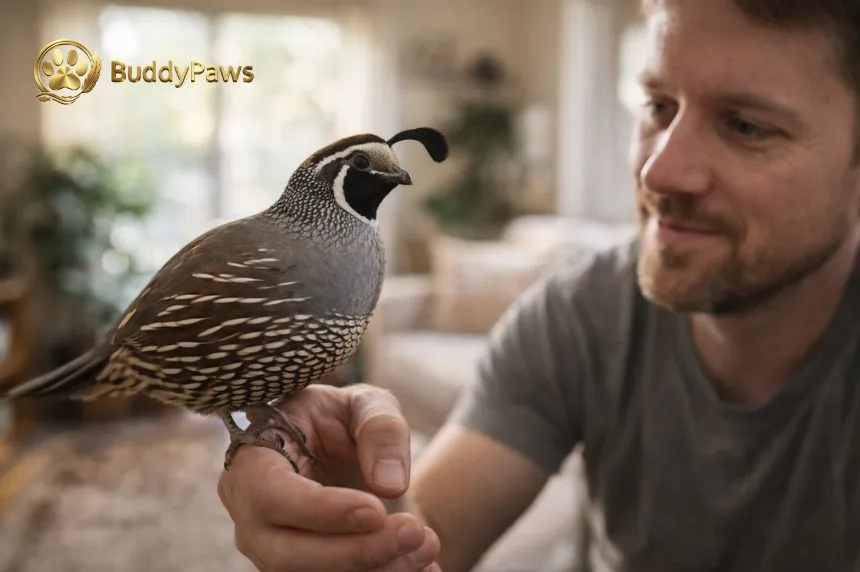
Keeping quail as pets is becoming more popular thanks to their gentle nature, small size, and surprisingly entertaining personalities.
They’re easy to care for once you understand their basic needs, making them great for beginners who want a low-stress companion animal.
In this quail pet care guide, you’ll learn how to choose the right breed, set up a safe enclosure, create a healthy feeding routine, and understand common behaviours.
Quail may seem simple, but they thrive when given proper space, protection, and consistent daily care.
Whether you’re raising a small backyard trio or keeping a few indoors, this guide will help you build a comfortable, healthy environment for your new feathered friends.
Quail may be small, but they offer a surprisingly fun and calming pet experience for beginners.
Their gentle personalities, low upkeep, and charming behaviors make them ideal for families or anyone wanting a simple, enjoyable companion.
Quail are peaceful birds that adapt well to routine, making them soothing pets to watch and care for. Their quiet temperament fits perfectly into relaxed homes or small backyard setups.
Quail have straightforward requirements, and following a balanced quail diet keeps them healthy with minimal effort. Their easy feeding routine makes daily care accessible even for first-time bird owners.
Despite their size, quail display playful scratching, dust bathing, and curious movements. These small behaviors add charm and make them surprisingly engaging pets that bring daily enjoyment.
Picking the right quail breed helps ensure an easy, enjoyable start for new owners. Some breeds are calmer, hardier, and more beginner-friendly, making them perfect for small home setups or backyard enclosures.
Coturnix quail are hardy, quiet, and easy to manage, making them excellent small backyard pets. They adapt well to beginners and offer steady egg production without needing complicated care routines.
Button quail are tiny, colorful, and suitable for small indoor enclosures. Their minimal space needs and gentle temperament make them a favorite for owners wanting a low-maintenance, decorative companion.
Bobwhite quail fit well in outdoor aviaries and appeal to owners who enjoy watching natural behaviors. They’re slightly more active but still manageable for beginners willing to provide a secure space.
Jumbo Coturnix are bigger, docile, and reliable egg layers. Their easy temperament and robust health make them a strong choice for beginners wanting both companionship and consistent egg production.
Connecting with other owners through a pet community app helps you compare breeds, get care advice, and learn from real experiences. It’s a simple way to feel confident about yourself.
A proper enclosure is the foundation of healthy, happy quail. Beginners should focus on safety, comfort, and space, ensuring quail have room to move, explore, and relax without stress or overcrowding.
Connecting with quail keepers in the BuddyPaws community helps you understand practical enclosure setups. Their real experiences guide you toward safe designs, proper spacing, and beginner-friendly housing solutions.
Use sturdy wire, secure locks, and weather-resistant panels to protect quail from predators. A safe enclosure keeps them stress-free and helps prevent nighttime disturbances or unexpected escapes.
Sand, pine shavings, or hemp bedding give quail a comfortable surface for scratching and dust bathing. Dry flooring reduces odor, prevents foot issues, and helps maintain a clean, hygienic habitat.
Good airflow keeps humidity balanced and reduces respiratory issues. Just avoid direct drafts, which can chill your quail. A well-ventilated but sheltered enclosure supports overall health.
Simple shelters, low boxes, and visual barriers help quail feel secure. These features are essential for beginners and serve as an easy intro to quail keeping while promoting natural behavior.
Caring for quail each day is simple once you establish a consistent routine. Regular feeding, quick wellness checks, and light cleaning help keep your birds healthy, active, and stress-free.
Provide high-quality game bird feed and clean water every morning. Consistent nutrition supports steady energy, strong eggshells, and overall health without requiring complicated or time-consuming care routines.
Fresh greens, herbs, or occasional bugs make great treats. They boost enrichment and help you observe your quail’s appetite, energy levels, and overall comfort throughout the day.
Check for clear eyes, smooth movement, and clean feathers. Early detection of unusual behavior or posture helps prevent small issues from turning into larger health concerns.
Removing old food, refreshing water, and spot-cleaning bedding keeps the enclosure sanitary. Good hygiene reduces the risk of mites, odors, or bacterial problems developing over time.
Simple items like dust-bath trays, hiding spots, or scattered treats keep quail active. Borrowing creativity from axolotl enrichment ideas helps you create fun, engaging activities for your flock.
Quail are gentle but easily startled, so learning how to handle and socialize them correctly helps build trust. With calm routines and patience, your quail become more relaxed, confident, and comfortable around you.
Use calm movements and scoop from underneath to avoid scaring them. Staying low prevents injury if they jump, helping them feel more secure when you interact.
Watching posture, sounds, and movement helps you understand their comfort levels. Including these insights in your quail pet care guide keeps handling safe, predictable, and stress-free.
Hand-feeding tiny treats helps quail see you as a safe presence. This routine encourages gradual trust and makes future handling easier and more enjoyable for both of you.
Recording habits, feeding responses, or stress triggers in an app for pet lovers helps you understand your quail better. Patterns reveal what makes them comfortable or uneasy.
Short, calm sessions near their enclosure allow quail to approach at their own pace. This slow bonding process reduces fear and encourages a more trusting relationship over time.
New quail owners often face challenges that feel overwhelming at first, but most issues are simple to fix with the right guidance. Understanding common problems early helps create a safer, smoother care experience.
New owners often notice quail panic, jump, or hide when moved into a new enclosure. Their nervous nature makes sudden noises, changes, or handling feel overwhelming in the first few days.
Solution: Keep the area quiet, limit handling, and add hiding spots to help them feel secure while adjusting.
Quail produce frequent waste, and bedding can become damp quickly. Without consistent cleaning, odors develop fast, creating an unhealthy environment and attracting pests, especially in small indoor or backyard setups.
Solution: Spot-clean daily, refresh bedding often, and use absorbent materials like sand or hemp.
Beginners struggle to recognize subtle symptoms like decreased activity, messy feathers, or reduced appetite. Quail hide weakness well, making it easy to miss early health issues until they worsen.
Solution: Perform quick daily checks and monitor behavior for changes.
Quail are small, fast, and prone to “boinking,” which leads to injury or escape. Predators like raccoons or neighborhood cats can also reach unsecured cages or weak enclosure spots.
Solution: Use predator-proof wire, secure latches, and keep enclosure tops covered.
New owners often underestimate how much room quail need. Crowding causes stress, feather pecking, and resource competition, especially in mixed-age groups or small backyard setups lacking enrichment.
Solution: Provide at least 1 square foot per bird and add hiding areas to reduce competition.
Caring for quail is a rewarding experience that blends simplicity with genuine enjoyment. These gentle birds thrive when given a safe enclosure, a balanced diet, and consistent daily routines.
As you learn their behaviors, you’ll notice how curious, social, and entertaining they can be, especially when handled calmly and given small enrichment opportunities.
Building trust takes patience, but even brief daily interaction helps your quail feel secure and comfortable.
With the right setup and thoughtful care habits, quail fit beautifully into small homes, backyard spaces, or beginner-friendly flocks.
Whether you keep them for companionship, eggs, or the joy of watching their natural behaviors, quail offer a surprisingly relaxing and fulfilling pet-keeping experience for newcomers and seasoned owners alike.
Loading blogs...