
Download Now


Share with your community!
Pet Community
Exotic pets can be fascinating companions, but they often have very specific environmental and care needs.
When these needs are not met, the animal may begin to show subtle behavioral or physical changes.
Many new owners fail to notice these early warning signals, which can lead to serious health problems over time.
Learning to recognize exotic pet stress signs is an important part of responsible pet ownership. Changes in appetite, unusual hiding behavior, or sudden aggression may indicate that something in the environment is wrong.
By understanding these signs and responding quickly, pet owners can reduce stress, improve their pet’s well-being, and create a safer, more comfortable habitat for their unique companion.
Exotic pets often come from very specific natural habitats. When kept in homes, even small changes in environment, handling, or care routines can cause stress if their natural needs are not properly met.
Exotic animals are adapted to particular climates and surroundings. When placed in a home environment that differs from their natural habitat, they may feel uncomfortable and stressed.
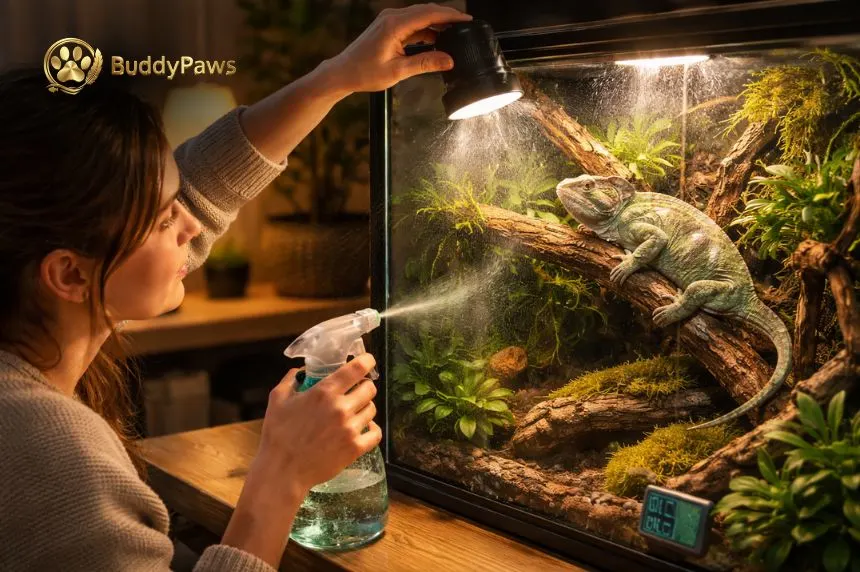
Incorrect temperature, humidity, lighting, or enclosure size can quickly affect an exotic pet’s comfort. These issues often trigger reptile stress behavior, such as hiding excessively or refusing food.
Many exotic pets prefer minimal interaction. Excessive handling, loud noises, or constant disturbance can trigger defensive behavior and anxiety in animals that are naturally shy or sensitive.
Exotic pets often show stress through subtle behavioral or physical changes. Because many of these animals hide discomfort naturally, owners must pay close attention to small signs that indicate something is wrong.
A stressed exotic pet may suddenly refuse food or eat much less than usual. Appetite changes often signal discomfort, environmental problems, or health concerns that require attention.
Many exotic animals hide when they feel threatened or stressed. If your pet suddenly spends most of its time hiding, it may be reacting to environmental stress.
Strange movements, constant pacing, or unusual stillness can signal stress. Observing these patterns helps owners recognize invertebrate care signals and address environmental or handling issues quickly.
A normally calm exotic pet may become defensive when stressed. Biting, striking, or sudden aggressive behavior often occurs when the animal feels unsafe or uncomfortable.
Sudden lethargy or unusual hyperactivity may indicate stress. Many owners also share similar observations and solutions through online spaces like the buddypaws community.
Helping a stressed exotic pet starts with understanding its environment and daily routine. Small adjustments in care, habitat, or handling can make a big difference in improving your pet’s comfort and well-being.
Watch your pet’s daily habits closely. Noticing changes in eating, hiding, or movement can help you identify stress early and take action before the issue becomes serious.
Many stress issues come from habitat problems such as incorrect temperature, humidity, or lighting. Adjusting these environmental factors can quickly improve comfort and reduce stress.
Some exotic pets prefer minimal interaction. Limiting handling and keeping their environment calm helps reduce anxiety and allows them to feel safer in their enclosure.
Feeding your pet at the same time and keeping cleaning schedules regular helps create stability. Consistency allows exotic animals to feel secure and adapt better to their environment.
Learning from experienced pet keepers can be helpful when managing stress issues. You can also find practical advice, discussions, and care tips through a pet community app.
Creating a calm and stable environment is essential for the health of exotic pets. These animals are sensitive to changes in temperature, lighting, and handling, so proper habitat management helps prevent stress.
Many exotic pets depend on stable climate conditions. Monitoring temperature and humidity regularly helps replicate their natural habitat and prevents stress caused by sudden environmental changes.
A well-planned enclosure supports your pet’s natural behavior. For example, a proper scorpion pet care setup includes hiding spots, appropriate substrate, and controlled humidity levels.
Exotic animals feel safer when they have secure places to hide. Adding shelters, plants, or tunnels inside the enclosure allows pets to rest and reduce stress.
Keeping the enclosure in a quiet location helps prevent stress. Loud sounds, frequent movement, or constant interaction can disturb sensitive animals and make them uncomfortable.
Staying informed about exotic pet care helps prevent mistakes. Many owners share habitat ideas, stress prevention tips, and experiences through an app for pet lovers.
Recognizing and managing stress in exotic pets is an important part of responsible pet ownership. These animals often show subtle behavioral changes when something in their environment is not right.
By paying close attention to signs such as loss of appetite, unusual hiding, or sudden aggression, owners can address problems early.
Creating a stable habitat, maintaining proper temperature and humidity, and limiting unnecessary handling can greatly improve your pet’s comfort.
Regular observation also helps you understand your pet’s normal behavior, making it easier to notice changes.
With the right care and environment, exotic pets can live healthier and calmer lives, allowing owners to enjoy a more positive and rewarding experience with their unique companions.
Loading blogs...