

Download Now


Share with your community!
Pet Community
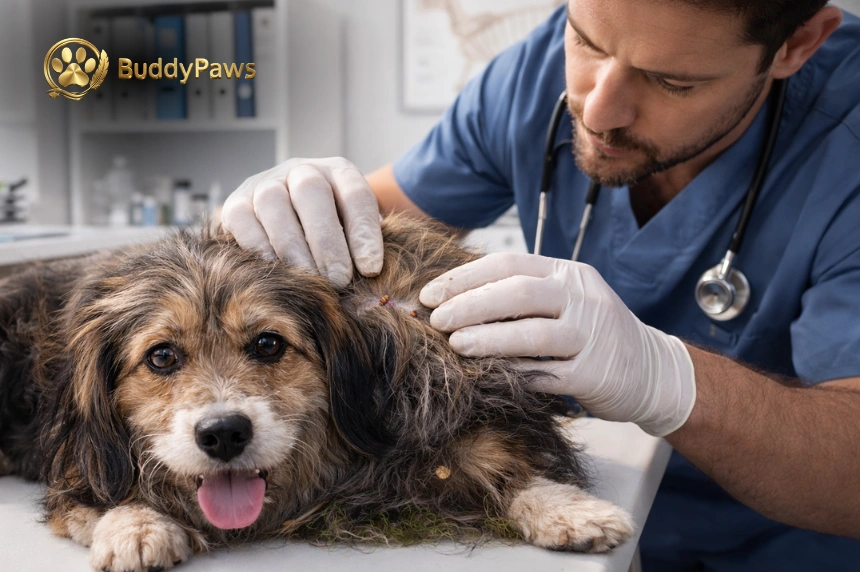
Tick fever in dogs is a serious health condition caused by bacteria transmitted through tick bites. It can affect your dog’s immune system and lead to complications if not treated on time.
Many pet owners may overlook early signs, thinking they are minor issues, but this illness can progress quickly.
Understanding tick fever in dogs, including its symptoms, causes, and treatment options, is essential for keeping your pet safe.
From fever and lethargy to loss of appetite, the signs can vary. In this guide, you’ll learn how to identify the condition early and take the right steps to ensure your dog gets timely care and recovers properly.
Tick fever in dogs is a bacterial infection transmitted through tick bites. It affects the bloodstream and can weaken your dog’s immune system over time. Understanding how it spreads helps pet owners take preventive steps and protect their dogs effectively.
Tick fever spreads when an infected tick attaches to your dog and feeds on its blood. During feeding, bacteria enter the bloodstream, starting the infection process and gradually affecting your dog’s overall health.
Dogs that spend time in grassy fields, wooded areas, or outdoor environments are more likely to encounter ticks. This exposure increases the risk of dog tick disease, as infected ticks can easily attach and transmit harmful bacteria.
Without regular tick prevention, dogs are more vulnerable to infestations. Missing treatments like tick collars or medications allows ticks to attach easily, increasing the chances of infection spreading through repeated exposure.
Tick fever in dogs can show a variety of warning signs, some mild and others more serious. Recognising the symptoms of tick fever early helps ensure timely treatment. Paying attention to changes in behaviour and physical health can protect your dog from complications.
A sudden rise in body temperature is one of the earliest signs of tick fever. Your dog may feel warm, appear uncomfortable, and show reduced activity. Persistent fever often indicates infection and requires prompt veterinary attention for proper diagnosis and care.
Dogs with tick fever often lose interest in food. This can lead to weakness and weight loss over time. A reduced appetite, especially when combined with other symptoms, is a key warning sign that should not be ignored.
Affected dogs may appear tired, inactive, or unwilling to move. Lethargy occurs as the infection weakens the body. If your dog seems unusually sluggish or avoids normal activities, it may be dealing with an underlying health issue.
Swelling around the neck, shoulders, or legs may indicate enlarged lymph nodes. Tracking such changes using an app for pet lovers can help you monitor symptoms closely and provide accurate information when consulting a veterinarian.
Tick fever can cause inflammation in joints, leading to pain and difficulty walking. Your dog may limp, hesitate to move, or show signs of discomfort while standing. This symptom can worsen without proper medical treatment.
In some cases, tick fever affects blood clotting, leading to unusual bleeding or bruising. You may notice nosebleeds, pale gums, or small red spots on the skin. These signs require immediate veterinary attention to prevent serious complications.
Tick fever in dogs develops due to exposure to infected ticks and certain environmental or lifestyle factors. As part of any dog illness guide, understanding these causes and risks helps you take preventive steps and protect your pet from serious health complications.
Dogs living in areas with tall grass, forests, or warm climates are more exposed to ticks. These environments provide ideal conditions for ticks to thrive, increasing the chances of your dog coming into contact with infected parasites during outdoor activities.
Skipping preventive measures like tick treatments, collars, or medications makes dogs more vulnerable. Without protection, ticks can easily attach and transmit infections. Consistent preventive care significantly reduces the risk of tick fever and other tick-borne diseases.
Dogs that frequently play outdoors or go on walks in parks are at higher risk. Insights shared in the buddypaws community often highlight how active outdoor routines increase exposure, making regular checks and grooming essential after outdoor time.
Dogs with weakened immunity are more susceptible to infections. Puppies, senior dogs, or those recovering from illness may struggle to fight off bacteria transmitted by ticks, leading to faster progression and more severe symptoms of tick fever.
Infrequent grooming allows ticks to remain undetected on your dog’s body. Regular brushing and inspection help spot ticks early. Poor hygiene increases the risk of prolonged attachment, giving bacteria more time to enter the bloodstream.
Dogs that interact with other infected animals may encounter ticks more easily. Shared environments like kennels or parks can increase exposure. Monitoring interactions and maintaining hygiene reduces the risk of ticks spreading between animals.
Tick fever in dogs requires timely treatment and consistent prevention to avoid serious complications. Concerns like 'Why is my dog not eating?' cause warning signs, and what to do may also relate to this condition. Knowing the right steps ensures faster recovery and long-term protection.
If you suspect tick fever, seek veterinary care without delay. Early diagnosis allows proper treatment with antibiotics and supportive care. Delaying treatment can worsen symptoms, so professional guidance is essential to manage the infection effectively and safely.
Always complete the full course of antibiotics and medications prescribed by your vet. Stopping treatment early may cause the infection to return or worsen. Consistency in medication ensures complete recovery and prevents complications related to tick-borne diseases.
Tracking your dog’s symptoms and progress is important during recovery. Using a pet community app helps you record changes in appetite, energy, and behaviour, making it easier to share updates with your vet for better treatment decisions.
Preventive measures like tick collars, topical treatments, and oral medications help protect your dog from future infections. Regular use reduces the risk of ticks attaching and spreading disease, keeping your pet safe in both indoor and outdoor environments.
Keeping your home and your dog’s bedding clean reduces the chances of ticks surviving and spreading. Regular washing, vacuuming, and disinfecting help create a safer environment and minimise the risk of reinfestation and recurring health issues.
After outdoor activities, inspect your dog’s body for ticks, especially around the ears, neck, and paws. Early removal prevents bacterial transmission. Regular checks, combined with grooming, are simple yet effective ways to protect your dog from tick fever.
Tick fever in dogs is a serious but manageable condition when identified early and treated properly.
Understanding its symptoms, causes, and risk factors helps you take timely action and avoid complications.
Regular tick prevention, proper hygiene, and routine health checks play a crucial role in keeping your dog safe.
If you notice signs like fever, lethargy, or loss of appetite, don’t delay seeking veterinary care. Early diagnosis leads to faster recovery and better outcomes.
Being proactive and informed ensures your dog stays healthy, active, and protected from tick-borne diseases, giving them a happier and more comfortable life.
Loading blogs...