tortoise care
Understanding the tortoise winter slowdown is essential for keeping your pet safe, healthy, and stress-free during the colder months.
As temperatures drop, many tortoises naturally become less active, sleep more, and eat less. This seasonal shift can worry new owners, but it’s a normal part of their biological rhythm.
The key is recognizing what’s natural and what signals a problem. With the right care, you can help your tortoise transition smoothly through winter while avoiding health risks tied to cold stress or improper habitat conditions.
This guide breaks everything down in simple, practical steps so you can confidently support your tortoise through its slower, calmer winter pace and maintain its overall well-being all season long.
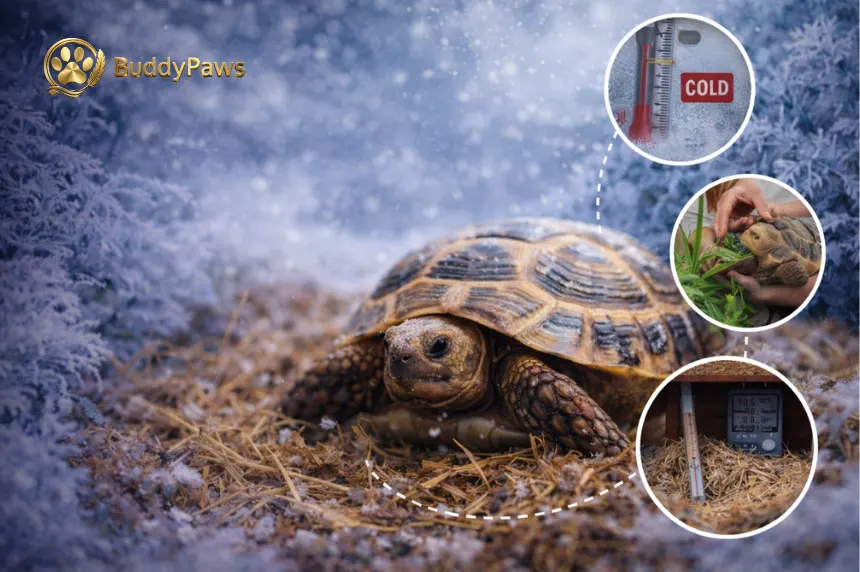
Tortoise winter slowdown is a natural seasonal response where your tortoise becomes less active, eats less, and spends more time resting as temperatures drop.
Unlike full hibernation, this slowdown is a mild, gradual shift rather than a deep sleep. It helps conserve energy during cooler months and is completely normal for many species.
Understanding this behavior is a key part of responsible tortoise care, because the right temperature range, lighting, and habitat support keep the slowdown safe.
When managed properly, your tortoise moves through winter comfortably and avoids health problems.
As temperatures dip, your tortoise will naturally shift into slower behavior patterns.
Understanding these early cues helps you adjust care and support normal reptile winter habits without causing stress or unnecessary worry.
Your tortoise may move less, explore less, and spend more time resting. This slowdown is their natural response to cooler temperatures and shorter days, signaling their body to conserve more energy.
A mild drop in appetite is common as their metabolism slows. They may show less interest in greens or eat smaller portions, especially during colder days or dimmer lighting cycles.
Your tortoise may seek deeper substrate, darker corners, or warmer spots. This behavior is tied to instincts and shows it’s time to focus on proper habitat prep for winter comfort.
Tortoises entering a seasonal slowdown often sleep earlier and wake later. Extended rest helps them adapt to winter conditions and maintain their energy during colder, less active periods.
You might see shifts in activity from day to day, slow one day, slightly normal the next. Tracking changes through a pet community app helps you spot patterns and adjust care confidently.
Preparing your tortoise for winter is all about creating a safe, steady environment that supports how cold-season reptiles naturally adjust.
These steps help your tortoise transition smoothly without unnecessary stress or health risks.
Slowly lower basking and ambient temperatures as the season cools. This gentle shift helps your tortoise adapt naturally without sudden stress or confusion in their daily rhythm.
Keep nighttime temperatures consistent. Cool drafts or sudden changes can disrupt your tortoise’s winter transition and cause discomfort duringthe seasonal slowdown.
As your tortoise slows down, give them a quieter, more stable space. Reduce handling, keep lighting steady, and let them follow their natural tortoise winter slowdown cycle.
Offer smaller meals as their appetite decreases. This prevents digestive issues and supports their naturally slower metabolism during the winter season.
Using a pet lover's app helps you log temperatures, feeding habits, and activity changes, making it easier to catch early issues and maintain safe winter conditions.
A fresh, clean habitat prevents bacteria buildup during the slowdown period. Disinfect surfaces, replace substrate, and check for mold or damp spots.
Add insulated hides, deeper substrate, or soft bedding. These cozy spots help your tortoise regulate body heat and feel safe as activity naturally decreases.
Even with careful preparation, winter can bring challenges for tortoise owners.
Understanding these issues and following a reliable reptile heating guide helps you keep your tortoise safe, warm, and healthy throughout the colder months.
Some slowdown is normal, but extreme tiredness can signal temperatures that are too low. When a tortoise becomes unusually inactive, it may struggle to regulate body heat properly.
Raise basking temperatures slightly and ensure nighttime warmth remains stable.
A mild decline is expected, but refusing food completely can indicate discomfort or inconsistent enclosure temperatures.
Check heating, provide fresh greens, and encourage gentle warming periods before offering food.
Cold conditions can slow digestion. If paired with a heavy tortoise diet, this can lead to bloating or discomfort during the seasonal slowdown.
Offer lighter foods, increase hydration, and maintain reliable basking temperatures to support digestion.
Your tortoise may stay hidden for long stretches, signaling stress, cold drafts, or improper humidity levels.
Seal drafts, adjust humidity, and add warmer hides to create a secure environment.
Shifts from sluggish to restless behavior may indicate environmental inconsistencies. Tracking helps spot the pattern early.
Use an app for pet lovers to log temps, feeding, and activity. Adjust the enclosure based on tracked trends for steadier behavior.
Keeping your tortoise steady and comfortable during winter is all about consistent tortoise care.
By maintaining stable conditions and offering gentle support, you help your tortoise handle seasonal slowdown safely and naturally.
Keep temperatures stable to prevent stress and support natural winter behavior patterns.
Maintain proper lighting cycles to guide healthy daily rhythms.
Offer lighter meals that match your tortoise’s slower metabolism.
Provide warm, secure hiding areas for comfort and energy conservation.
Monitor activity daily to catch early signs of stress or health concerns.
A thoughtful approach to tortoise winter slowdown helps your pet move through the colder months safely and with far less stress.
When you understand how your tortoise naturally adjusts to shorter days and cooler temperatures, it becomes easier to support their needs without overreacting to normal seasonal changes.
Stable warmth, lighter feeding, and a clean, secure habitat all play a big role in keeping your tortoise comfortable.
Paying attention to small behavior shifts also helps you catch potential issues early, long before they become health risks.
With steady care, patience, and a calm environment, your tortoise can navigate winter smoothly and stay healthy, relaxed, and ready for more active months ahead.
Loading blogs...