

Download Now


Share with your community!
Pet Community
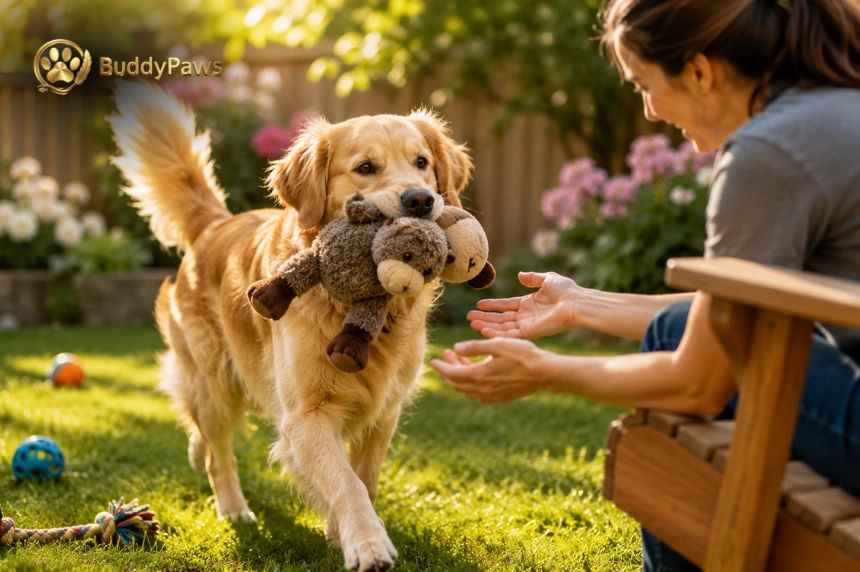
Dogs have many unique ways of communicating, and bringing a toy to their owner is one of the most common behaviors pet parents notice.
If you've ever wondered why dogs bring you toys, the answer often goes beyond simply wanting to play. Dogs may bring toys as a way to seek attention, invite interaction, share something they value, or express excitement and affection.
For many dogs, toys are more than objects; they're tools for communication and social bonding.
This behavior can also reflect a dog's natural instincts, emotional needs, and desire to engage with the people they trust most.
Understanding the reasons behind this habit can help strengthen your relationship with your dog and provide valuable insight into how they express themselves on a daily basis.
Many pet owners notice their dogs carrying toys across the house only to place them at their feet. This common dog toy behavior is often linked to communication, social bonding, and a dog's natural desire to interact with the people they trust most.
Dogs are social animals that enjoy engaging with their owners. Bringing a toy is often their way of inviting you to participate, whether that means playing fetch, tug-of-war, or simply acknowledging their presence and excitement.
In the wild, canines rely on cooperation and social connections. When your dog brings you a toy, they may be treating you as a valued member of their pack and including you in an activity they enjoy.
Many dogs form strong attachments to their favorite toys. Bringing one to you can be a sign of trust and affection, showing that they feel comfortable sharing something important with a person they care about.
When dogs bring their favorite toys to their owners, they're often expressing much more than a desire to play.
This behavior can be influenced by trust, affection, attention-seeking, and even a natural dog gifting instinct that strengthens social bonds and communication.
Toy sharing is often a sign that your dog enjoys spending time with you.
By bringing you a toy, they are creating an opportunity for interaction and reinforcing the connection they share with their favorite person.
Sometimes, dogs bring toys because they want attention and interaction. Just as people connect through shared activities, dogs use play to communicate and engage.
Even discussions within a pet community app often highlight how common this behavior is.
Dogs are more likely to share valued possessions with people they trust.
Bringing you a favorite toy can indicate that your dog feels safe, relaxed, and confident in your presence, strengthening the bond between you.
One of the most common reasons behind toy sharing is a simple invitation to interact.
Your dog may be encouraging a game of fetch, tug-of-war, or another activity that allows them to spend quality time with you.
Dogs quickly learn that bringing a toy often results in praise, affection, or playtime.
Over time, they may repeat this behavior because it consistently creates positive interactions and rewarding experiences with their owners.
For many dogs, sharing a favorite toy is a meaningful gesture.
If you've ever wondered why dogs share toys, the answer often comes down to trust, companionship, and their desire to include you in something they genuinely enjoy.
Understanding behaviors like toy sharing can offer valuable insight into a dog’s emotional needs and social instincts.
Just as owners often wonder why dogs follow their owners everywhere the psychology behind velcro dogs, toy- sharing behaviour is another way dogs strengthen bonds and express connection.
When a dog brings you a toy, they’re inviting interaction and engagement.
These small moments of connection help build trust, reinforce positive relationships, and strengthen the emotional bond that develops between dogs and their owners over time.
Dogs thrive on companionship and interaction.
Similar to how a pet lover community helps people build meaningful relationships, toy-sharing allows dogs to create positive social experiences and feel more connected to those around them.
Many dogs feel comforted when they receive attention from their owners.
Bringing a toy often results in interaction, praise, or play, helping dogs feel secure, valued, and emotionally supported within their home environment.
Interactive play encourages dogs to think, communicate, and respond to social cues.
These experiences provide mental stimulation that helps reduce boredom while supporting emotional well-being and overall behavioral development.
Toy-sharing teaches dogs that their actions can lead to positive outcomes.
Over time, this strengthens communication between pets and owners, making it easier for dogs to express their needs, interests, and emotions effectively.
Simple interactions can have a lasting impact on a dog’s happiness.
Platforms like BuddyPaws highlight the importance of connection and engagement, reminding pet owners that small shared experiences often play a big role in building stronger relationships.
When your dog brings you a toy, they’re often looking for interaction, attention, or connection.
Responding positively can strengthen your bond, encourage healthy communication, and help your dog feel understood while making the experience more enjoyable for both of you.
Even if you’re busy, take a moment to recognize your dog’s effort. A smile, gentle petting, or verbal praise lets your dog know their attempt to interact has been noticed and appreciated.
If time allows, join your dog for a quick game of fetch, tug, or interactive play. These activities provide physical exercise, mental stimulation, and valuable opportunities to strengthen your relationship.
Rewarding your dog with praise, affection, or playtime helps reinforce positive social behavior. Consistent encouragement teaches your dog that healthy interactions are welcome and can lead to enjoyable experiences.
Sometimes bringing a toy may signal boredom, excess energy, or a desire for companionship.
Observing your dog's behavior can help you better understand what they're trying to communicate and respond appropriately.
Daily play sessions, walks, training activities, and quality time help meet your dog's social and emotional needs.
Consistent engagement can reduce attention-seeking behaviors while keeping your dog happy, active, and mentally fulfilled.
When your dog brings you a toy, it’s often about much more than playtime. This simple behavior can be a sign of trust, affection, communication, and a desire for connection.
By sharing a favorite toy, dogs are inviting their owners into their world and strengthening the bond they share.
Understanding the emotional and social reasons behind this behavior helps pet owners respond in ways that support their dog’s well-being and happiness.
Whether your dog is seeking attention, companionship, or interactive play, these moments create valuable opportunities for engagement and relationship-building.
Taking the time to acknowledge and interact with your dog can reinforce positive behaviors while deepening your connection.
Sometimes , the toy isn’t the important part, it’s your dog’s way of saying they want to spend time with you.
Loading blogs...