
Download Now


Share with your community!
Pet Community
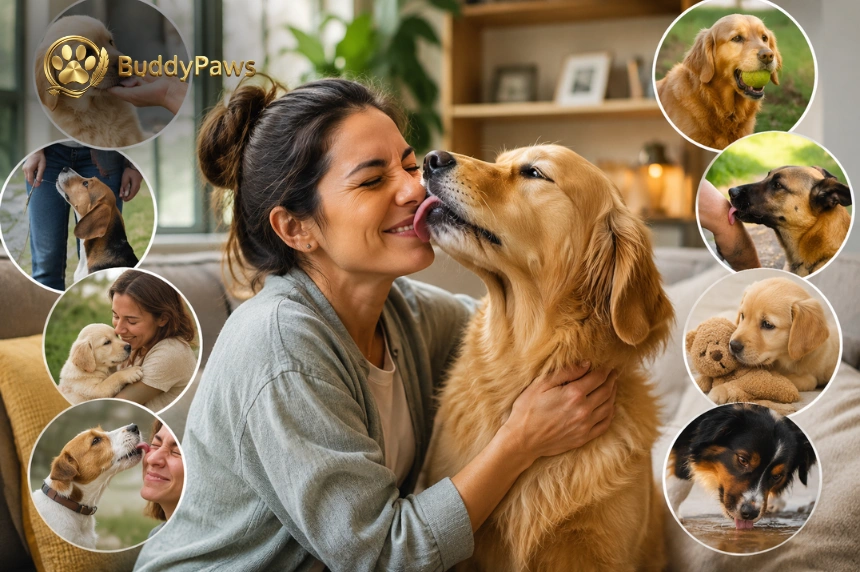
Dogs communicate in many unique ways, and licking is one of the most common behaviours pet owners notice in daily interactions.
Some dogs lick hands, faces, or even feet, while others seem to show this behaviour more frequently than expected.
Many owners wonder whether licking is simply a sign of affection or a deeper issue.
Understanding dog behaviour can help strengthen the bond between pets and their owners while making everyday interactions easier to understand.
If you have ever asked yourself why dogs lick you, the answer may involve emotions, instincts, communication habits, and learned behaviours.
Dogs may lick for several reasons, ranging from affection and attention-seeking to curiosity, comfort, and natural social behaviour developed over time.
Dog licking behaviour is a natural form of communication that helps dogs express emotions, interact socially, and respond to their surroundings.
Understanding these instinctive actions can help pet owners better interpret what their dogs may be trying to communicate.
Dogs naturally use licking to build social connections with humans and other animals.
This behaviour develops from early interactions and effectively strengthens trust, familiarity, and emotional attachment within their social environments.
Dogs experience the world through their senses, including taste and smell.
Licking allows them to gather information about people, surroundings, and unfamiliar objects while satisfying their natural curiosity and exploratory instincts successfully.
Puppies are exposed to licking behaviours from an early age through interactions with their mothers and littermates.
These early experiences help shape communication habits and social behaviours that often continue into adulthood naturally.
Many pet owners wonder about unusual canine habits and why dogs lick faces during everyday interactions.
Licking behaviour can have several emotional, behavioural, and instinctive meanings that explain what dogs may be trying to communicate through their actions naturally.
Dogs often lick their owners to express affection and strengthen emotional bonds with people they trust deeply.
Similar to human gestures of care and warmth, licking can become a comforting behaviour that helps dogs feel connected, emotionally secure, and closely attached to family members.
Dogs quickly learn that licking often gets a reaction from their owners during daily interactions and routines.
Whether they receive eye contact, laughter, talking, or playful responses, repeated attention can encourage dogs to continue using licking as a familiar communication behaviour regularly.
Dogs have a highly developed sense of smell and taste that helps them recognise people and environments easily.
They may lick skin because of sweat, food scents, lotions, or other familiar smells that naturally trigger curiosity and attract their attention throughout the day.
Dogs are naturally social animals and often use licking as a way to maintain interaction and emotional relationships.
Similar to how users connect within a pet community app, dogs may use licking as a familiar behaviour to strengthen communication and maintain close relationships.
Some dogs lick because repetitive licking creates a calming effect that helps them feel emotionally balanced.
During stressful situations, unfamiliar environments, or routine changes, licking may become a self-soothing behaviour that helps them relax and feel more comfortable over time.
Dogs may lick their owners because of instinctive social behaviours developed through pack-based interactions and communication patterns.
In some situations, licking can serve as a sign of acknowledgement, respect, or trust toward someone they consider an important part of their social group.
Dogs commonly associate humans with food and may lick their owners whenever they notice interesting smells nearby.
Food scents left on hands, clothing, or nearby objects can naturally trigger curiosity and encourage licking behaviour during everyday interactions and family activities consistently.
Many pet owners recognise licking as one of several dog affection signs that demonstrate trust and emotional attachment.
Dogs may combine licking with behaviours like tail wagging, cuddling closely, following owners around, or staying nearby to communicate comfort and happiness effectively.
Dogs can observe body language, vocal tone, and emotional changes in people surprisingly well during interactions.
Licking may sometimes happen when dogs notice sadness, stress, or unusual behaviour because they may be trying to provide comfort and emotional support naturally.
Dogs are highly responsive to repeated experiences and behaviours that create enjoyable or rewarding outcomes consistently.
If licking regularly results in affection, playtime, petting, or positive attention, they may continue repeating the behaviour because they associate it with pleasant experiences.
Repeated actions and interactions can gradually become habits for dogs over time through routine experiences.
If licking becomes part of normal daily interactions with owners, dogs may continue doing it because the behaviour feels familiar, comfortable, and naturally established.
Licking can sometimes become part of the emotional connection and trust shared between owners and pets.
Many discussions within a pet-lovers community also highlight how dogs use everyday behaviours and interactions to strengthen relationships and build stronger emotional bonds over time.
Dog licking is usually a normal behaviour linked to communication, affection, curiosity, and emotional expression.
However, excessive or unusual licking patterns may sometimes indicate underlying physical, behavioural, or environmental issues that require closer attention from pet owners.
Dogs commonly lick their owners during greetings and routine interactions to express familiarity and social connection.
This behaviour often reflects excitement, affection, and positive emotional responses developed through regular interactions with trusted family members.
If greeting-related licking becomes obsessive, intense, or difficult to stop, it could indicate anxiety, overstimulation, or behavioural dependency patterns.
Dogs may lick to gain attention because they learn that owners often respond through interaction, play, or affection.
This behaviour is generally normal when it occurs occasionally and during expected social situations.
Constant attention-seeking licking that interrupts daily activities may suggest stress, boredom, or emotional needs that require behavioural management.
Dogs naturally react to food particles, sweat, or scents on human skin because of their strong sensory abilities.
Occasional licking triggered by interesting smells is generally considered normal canine behaviour during everyday interactions.
Persistent licking focused on specific areas without food-related reasons could potentially indicate unusual fixation or behavioural concerns.
Some dogs lick while resting or relaxing because repetitive actions may create a calming and comforting effect.
Self-soothing behaviours can help dogs feel emotionally secure during routine activities and familiar situations.
Frequent repetitive licking during calm situations may sometimes suggest stress, anxiety, or compulsive behavioural patterns needing further evaluation.
Dogs often lick unfamiliar people or objects because they naturally explore their surroundings using taste and smell.
Curiosity-based licking usually happens occasionally and helps dogs gather information about new experiences and environments.
Excessive licking of unfamiliar objects or surfaces could indicate stress, nutritional issues, or unusual behavioural changes requiring attention.
Small changes in licking frequency may happen because of mood, environment, or daily routines. Occasional changes are generally harmless and can occur naturally as dogs experience different situations and interactions.
A sudden increase in licking frequency or unusual behaviour patterns may indicate discomfort, pain, health issues, or emotional distress requiring veterinary advice.
Excessive licking in dogs can sometimes become difficult for pet owners to manage during daily routines and interactions.
Since many owners also wonder whether dogs can understand human emotions, understanding behaviour patterns can help manage excessive licking more effectively.
Observe when excessive licking happens and identify patterns linked to stress, boredom, excitement, or environmental changes.
Understanding triggers helps owners recognise potential causes while making it easier to manage repeated licking behaviours effectively.
2. Dogs often develop repetitive behaviours when they have excess energy or insufficient stimulation during the day.
Regular exercise, interactive toys, and mentally engaging activities help reduce boredom while encouraging healthier and more balanced routines consistently.
When dogs begin excessive licking, redirect their focus toward toys, training sessions, or play activities immediately.
Similar approaches shared by pet communities like BuddyPaws often encourage replacing repetitive behaviours with more positive and engaging activities successfully.
Some owners unintentionally reinforce licking by providing immediate attention whenever it happens.
Limiting reactions and encouraging desired behaviours instead can help dogs gradually understand which actions create positive responses from owners.
Environmental stressors may contribute to repetitive licking behaviours in some dogs during daily life.
Maintaining a calm environment, predictable routines, and comfortable spaces can help improve emotional balance and reduce stress-related behaviours effectively.
Persistent excessive licking that continues despite behaviour management efforts may require professional support.
Consulting veterinarians or animal behaviour specialists can help identify underlying physical or behavioural issues while improving long-term management strategies successfully.
Dogs use licking as a natural way to communicate emotions, express affection, explore their surroundings, and strengthen relationships with their owners.
In many situations, licking is a completely normal behaviour that reflects trust, excitement, curiosity, or comfort.
However, understanding the reasons behind this habit can help pet owners recognise the difference between healthy interaction and behaviour that may require closer attention.
Excessive or sudden changes in licking patterns could sometimes signal stress, boredom, anxiety, or underlying health concerns.
Observing your dog's routines, body language, and overall behaviour can provide helpful clues about what they may be trying to express.
By creating a supportive environment, maintaining healthy routines, and responding appropriately, pet owners can build stronger connections and ensure their dogs remain happy, comfortable, and emotionally secure over time.
Loading blogs...