

Download Now


Share with your community!
Pet Community
Dogs fill our lives with loyalty, companionship, and unconditional love, which makes their relatively short lifespans difficult for many pet owners to accept.
But have you ever wondered why dogs live shorter lives than humans despite receiving excellent care?
The answer lies in biology, genetics, metabolism, and the way different species age over time. Scientists have discovered that dogs mature rapidly, experience accelerated cellular ageing, and are more vulnerable to breed-specific health conditions that can reduce longevity.
Larger breeds often age faster than smaller ones, adding another layer to the mystery.
In this article, we will explore the science behind canine aging, how size and genetics influence lifespan, and what research reveals about helping dogs live healthier and longer lives with proper nutrition, preventive care, and attentive ownership.
Understanding dog lifespan begins with the biological differences between humans and canines. Dogs grow rapidly, mature earlier, and experience faster cellular aging, which explains why their bodies reach old age in a much shorter time.
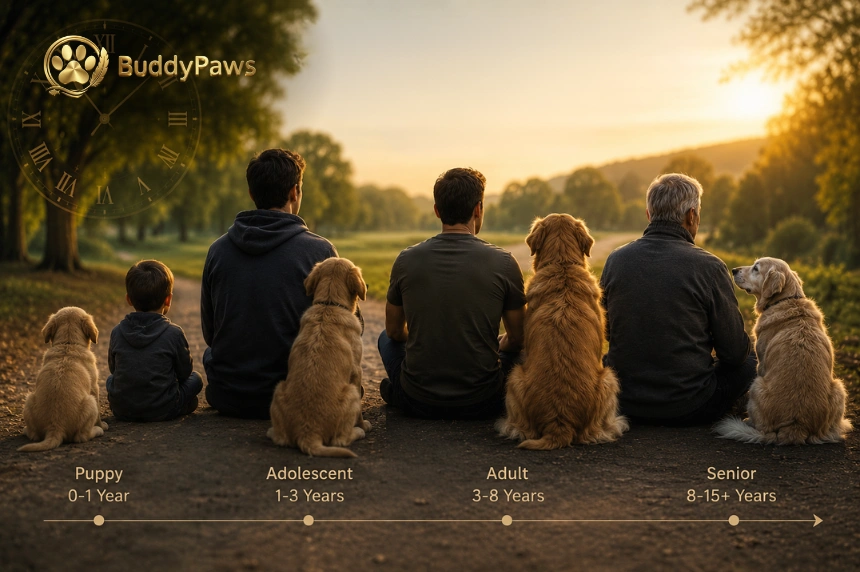
Dogs develop from puppies to adults within one to two years, while humans take nearly two decades to fully mature. This accelerated development compresses many life stages into a shorter biological timeline.
Canine cells undergo metabolic and genetic changes more quickly than human cells. Over time, this faster rate of cellular wear contributes to earlier ageing and age-related health decline.
Dogs generally have higher metabolic activity and shorter developmental cycles than humans. These biological demands can increase cumulative stress on tissues and organs throughout life.
Scientific discoveries about the dog ageing process help explain how genetics, cellular health, and lifestyle influence canine longevity. Researchers continue to uncover why some dogs age more slowly and what practical steps can support healthier, longer lives.
Scientists have found that inherited traits significantly affect lifespan, disease susceptibility, and overall vitality. Certain breeds are genetically predisposed to heart disease, cancer, and joint disorders, which can shorten life expectancy and influence how well dogs age throughout their senior years and maintain long-term health.
Research shows that oxidative stress, inflammation, and DNA damage gradually impair organs and tissues. These microscopic changes contribute to cognitive decline, reduced mobility, weakened immunity, and increased vulnerability to age-related illnesses as dogs progress through the natural aging process over many years.
Modern technology, including a pet community app, helps owners track symptoms, medications, nutrition, and veterinary appointments. Shared experiences, reminders, and wellness logs encourage proactive care and support earlier detection of health concerns that may affect lifespan and quality of life.
Routine examinations, vaccinations, dental cleanings, and diagnostic screenings enable veterinarians to detect diseases earlier. Timely treatment often improves outcomes, reduces complications, and supports healthier ageing by addressing medical conditions before they significantly impact a dog’s overall well-being.
Balanced nutrition, regular exercise, mental stimulation, and maintaining a healthy weight all contribute to better ageing. Dogs that remain active, emotionally engaged, and physically fit tend to experience improved quality of life and may live longer, healthier lives overall.
Understanding why dogs age fast helps owners make better lifestyle choices that support longevity. Consistent preventive care, balanced nutrition, and emotional well-being can significantly improve a dog’s health, comfort, and quality of life throughout every stage.
A high-quality diet with appropriate protein, healthy fats, vitamins, and minerals supports immune function, joint health, and organ performance. Proper nutrition helps maintain a healthy body weight and reduces the risk of obesity-related diseases that can shorten a dog’s lifespan significantly.
Joining a pet-lovers community allows owners to exchange health tips, nutrition advice, and ageing experiences. Shared knowledge helps identify practical ways to improve care, discover trusted products, and stay motivated to provide better long-term support for senior dogs.
Regular walks, interactive toys, and training sessions keep dogs physically fit and mentally engaged. Consistent activity supports cardiovascular health, strengthens muscles and joints, and reduces boredom, anxiety, and cognitive decline as dogs grow older and enter their senior years.
Annual or semiannual examinations, vaccinations, and diagnostic screenings help veterinarians detect health problems early. Preventive care allows timely treatment and monitoring, improving outcomes and helping dogs maintain better health and comfort throughout every life stage.
Learning signs your dog is sick and when to visit a vet helps owners respond quickly to appetite changes, lethargy, vomiting, limping, or unusual behaviour. Early intervention often prevents complications and significantly improves a dog’s long-term health and survival prospects.
Apps such as BuddyPaws help owners track medications, vaccinations, symptoms, exercise, and veterinary appointments. Organised health records and timely reminders make it easier to monitor ageing-related changes and provide consistent care that supports healthier, longer lives.
Dogs may not live as long as humans, but science helps explain why their lives move at a much faster biological pace.
Rapid growth, accelerated cellular ageing, genetics, and breed-specific health conditions all contribute to shorter lifespans.
Larger dogs often age more quickly, while preventive care and healthy lifestyles can significantly improve both longevity and quality of life.
Research into the dog aging process continues to uncover new ways to support healthier, more comfortable senior years.
Pet owners play a vital role by providing balanced nutrition, regular exercise, routine veterinary checkups, and mental stimulation.
Staying informed and using tools such as health-tracking apps can make daily care easier.
Although their time with us is shorter, thoughtful and proactive care helps dogs enjoy happier, healthier lives filled with love and companionship.
Loading blogs...