
Download Now


Share with your community!
Pet Community
Ever wondered why some dogs instantly clash while others get along just fine? Many owners assume it’s random, but there are clear reasons behind these reactions.
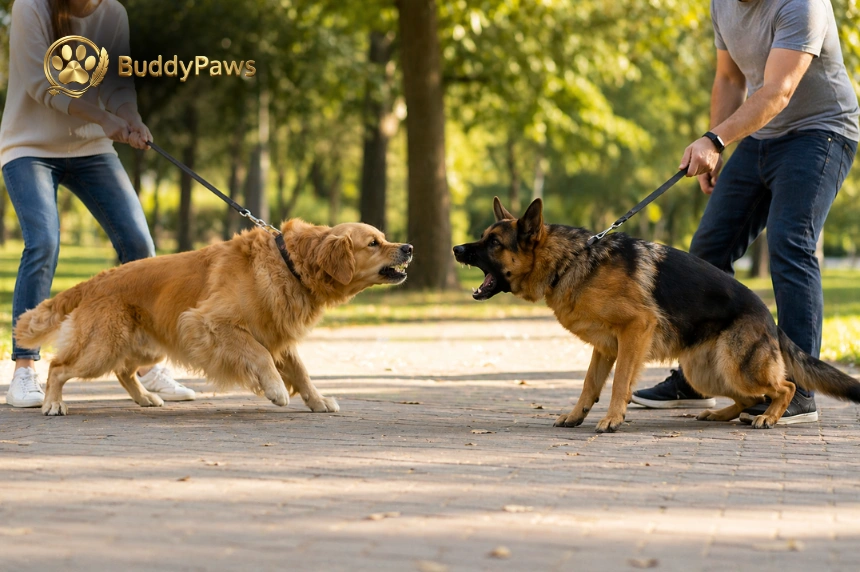
Understanding why dogs don't like each other often comes down to behaviour, environment, and how introductions are handled.
Small mistakes, like forcing interactions or ignoring body language, can quickly create tension between dogs.
The good news is most og these issues are preventable with the right approach. In this guide, we’ll break down the common causes of dog conflicts and highlight what owners often do wrong.
You’ll also learn practical ways to improve interactions and help dogs feel more comfortable around each other.
Dogs don’t always get along, and it’s rarely random. Many dog aggression reasons are linked to fear, territory, or poor socialisation. Understanding these causes helps prevent conflict and improve interactions.
Dogs that haven’t been exposed to other dogs early may feel anxious or threatened. This lack of experience can lead to fear-based reactions, making them uncomfortable and defensive during interactions.
Dogs can become protective of their space, toys, or owners. When another dog enters their perceived territory, they may react aggressively to defend what they believe belongs to them.
A dog that has had a bad experience with another dog may carry that fear forward. This can result in avoidance, anxiety, or sudden aggression when encountering unfamiliar dogs.
Dogs communicate through body signals. If one dog misinterprets another’s behaviour, it can quickly lead to tension or conflict, especially when warning signs are ignored or misunderstood.
Many dog behaviour mistakes happen without owners even realising it. Small actions can create tension between dogs and lead to conflict. Understanding these mistakes helps build safer, calmer interactions.
Rushing introductions can overwhelm dogs and create stress. When dogs aren’t given time to adjust, they may react defensively, leading to tension, fear, or sudden aggressive behaviour.
Growling, stiff posture, or avoiding eye contact are early signals. Ignoring these signs can escalate the situation, as dogs may feel unheard and respond with stronger, more aggressive reactions.
Keeping a tight leash increases tension and restricts natural movement. This can make dogs feel trapped, raising anxiety levels and increasing the chances of reactive or aggressive behaviour.
Without proper training, dogs may not understand how to behave around others. Learning from shared experiences, like those discussed in the Buddypaws community, can help owners improve interaction strategies.
Dogs pick up on your emotions quickly. If you feel anxious or nervous, your dog may mirror that energy, becoming more alert or reactive, which can trigger unnecessary conflict situations.
Dog interactions depend heavily on body language, and small signals often get missed. Many dog social issues arise when owners fail to understand what their dog is trying to communicate.
A wagging tail doesn’t always mean friendliness. Fast, stiff wagging can signal tension, while a tucked tail shows fear. Understanding tail movement helps prevent misreading your dog’s emotional state.
Ears pulled back can indicate fear or submission, while forward-facing ears show alertness or curiosity. Sudden changes in ear position can signal discomfort or rising tension during dog interactions.
Direct staring can be seen as a challenge between dogs. Soft eye contact shows calmness, while hard stares may signal aggression. Many insights shared in a pet lovers' community highlight how eye behaviour shapes interactions.
A relaxed body means your dog is comfortable, while stiffness or leaning forward can signal alertness or aggression. Posture often changes before any visible reaction, making it a key warning sign.
These subtle signs often indicate stress or discomfort, not tiredness. Dogs use them as calming signals to avoid conflict, but ignoring them can lead to escalated reactions or misunderstandings.
Helping dogs get along takes patience, consistency, and the right approach. With safe dog socialization, you can reduce tension, build trust, and create positive interactions between dogs over time.
Introduce dogs in neutral spaces with enough distance. Keep both on leashes and allow gradual interaction. This reduces pressure and helps both dogs feel safe during the first meeting.
Pay close attention to signals like stiff posture, growling, or avoidance. Stepping in early prevents escalation and teaches dogs that interactions will remain calm, controlled, and stress-free.
You can explore structured meetups or ideas through a pet networking app to find safe environments for interaction. This helps dogs socialise gradually without overwhelming or stressful encounters.
Use treats and praise when dogs remain calm around each other. Positive reinforcement encourages good behaviour and helps them associate other dogs with safe, rewarding experiences over time.
Avoid long or forced play sessions. Short, positive interactions help build comfort and trust gradually, making dogs more relaxed and open to future social experiences.
Helping dogs get along isn’t about forcing friendships, it’s about creating the right environment for trust to grow.
When you understand their behaviour and avoid common mistakes, interactions become smoother and less stressful.
Small steps like controlled introductions, reading body language, and rewarding calm behaviour can make a big difference over time.
Every dog is different, so patience and consistency are key. With the right approach, even dogs that struggle initially can learn to feel more comfortable around each other.
By focusing on positive experiences and gradual progress, you build better social habits that lead to calmer, safer, and more enjoyable interactions for both dogs and their owners.
Loading blogs...