

Download Now


Share with your community!
Pet Community
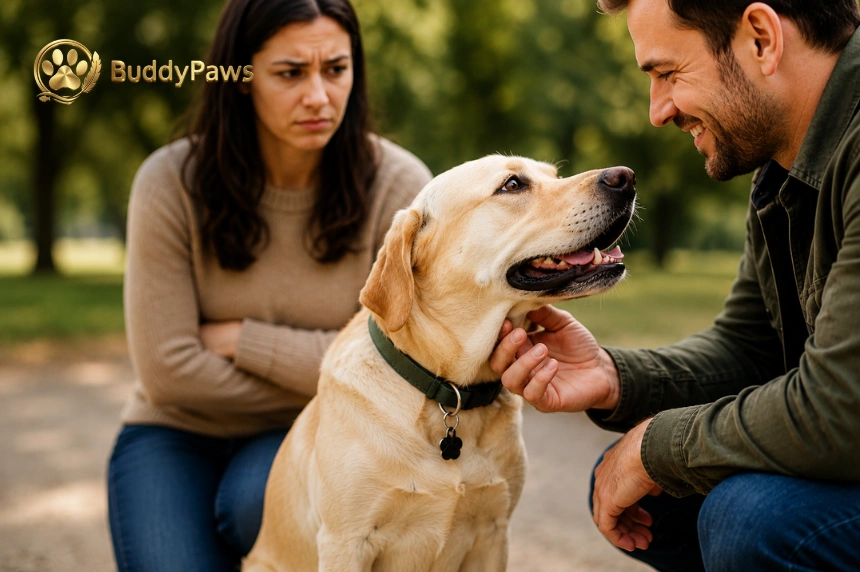
Dogs have an incredible ability to form opinions about people within moments of meeting them.
Many pet owners have witnessed their dog instantly gravitate toward one person while remaining cautious or distant around another.
This fascinating aspect of dog trust behavior has sparked curiosity among researchers and animal lovers alike.
While it may seem like dogs possess a mysterious sixth sense, their reactions are often influenced by a combination of instincts, past experiences, body language, scent, and social cues.
Dogs constantly observe their surroundings and use available information to assess whether someone feels safe or unfamiliar.
In this article, we’ll explore the science behind canine trust, why dogs respond differently to certain individuals, and what their behavior can reveal about their instincts, emotions, and relationships with people.
Understanding dog instincts can help explain why some dogs immediately trust certain individuals while remaining cautious around others. Dogs gather information quickly using their senses, past experiences, and natural ability to read human behavior.
A dog’s powerful sense of smell allows it to detect unique scents and chemical signals. These scent cues help dogs gather information and form early impressions before any interaction occurs.
Dogs carefully observe posture, movement, facial expressions, and gestures. Calm and relaxed body language often appears less threatening, helping dogs feel more comfortable when meeting new people.
Past interactions with people can influence how dogs respond to strangers. Positive experiences may encourage trust, while negative encounters can make dogs more cautious in unfamiliar situations.
Researchers continue studying how dogs evaluate people and form social connections. Observing canine body language provides valuable clues about trust, comfort, and emotional responses, helping explain why dogs react differently to different individuals.
Studies suggest dogs can interpret facial expressions, tone of voice, and emotional states. Positive and calm signals often make people appear safer and more approachable to dogs.
Dogs tend to trust individuals who resemble people they have previously had positive experiences with. Familiar behaviors, routines, and interactions can create an immediate sense of comfort.
A dog’s powerful sense of smell helps identify individuals and detect subtle chemical cues. These scent-based signals play a major role in how dogs evaluate unfamiliar people.
People who move predictably and remain relaxed often appear less threatening to dogs. Nervous or erratic behavior can sometimes make dogs feel uncertain or cautious.
Dogs learn from previous interactions throughout their lives. Positive experiences strengthen trust, while stressful or negative encounters may influence how they respond to certain people in the future.
Many owners use a pet parenting app to share behavior experiences, discuss trust-related challenges, and gain insights into why their dogs may instantly connect with some people while avoiding others.
Researchers continue studying how dogs evaluate human behavior and form social connections. Understanding canine body language helps explain why some people earn a dog's trust immediately, while others may trigger caution, hesitation, or avoidance during interactions.
Dogs are highly sensitive to emotional cues. They can detect changes in facial expressions, tone of voice, and behavior, helping them assess whether a person appears friendly, calm, stressed, or potentially threatening.
People who move predictably and interact gently often appear more trustworthy. Consistent actions help dogs feel secure, while sudden movements or unfamiliar behavior may create uncertainty during initial encounters with new individuals.
Dogs remember rewarding experiences with specific people. When interactions involve affection, play, treats, or comfort, dogs often develop positive associations that encourage trust and make future encounters feel safer and more enjoyable.
A dog's powerful sense of smell provides valuable information about people. Familiar or comforting scents may encourage confidence, while unfamiliar odors can prompt caution as dogs gather information about potential interactions.
Well-socialized dogs often feel more comfortable meeting different people. Early positive exposure to various environments, personalities, and situations helps build confidence and improves their ability to form trusting relationships.
Using a pet community app can help owners track behavior patterns, understand trust signals, and discover practical ways to support healthy social interactions and strengthen relationships with their dogs over time.
Questions like can dogs really sense bad people what science and dog behavior reveal continue fascinating researchers and pet owners alike. A dog's instincts often provide valuable clues about how they assess trust, safety, emotions, and human intentions.
Dogs are highly observant animals that notice subtle changes in tone, facial expressions, posture, and movement. These observations help them determine whether someone appears friendly, confident, nervous, or potentially threatening during interactions with people.
Dogs build trust by associating individuals with safety, affection, food, play, and predictable behavior. Repeated positive interactions reinforce feelings of security and encourage stronger social bonds between dogs and the people around them.
Many dogs possess natural protective tendencies that encourage caution around unfamiliar individuals. These instincts help them assess potential risks, remain alert in new situations, and respond appropriately when they perceive uncertainty nearby.
Communities like BuddyPaws allow pet owners to discuss canine behavior, exchange experiences, and learn how instincts influence trust, social interactions, and everyday responses. These shared insights help owners better understand their dogs' perspectives.
Research suggests dogs observe how people behave toward their owners and others. Positive social interactions often increase comfort levels, while negative or aggressive behavior may contribute to caution or avoidance responses.
A dog's response to people is rarely based on instinct alone. Life experiences, training, environment, socialization, and learned associations combine with instincts to shape how trust and safety assessments are formed.
Dogs may not judge people in the same way humans do, but their instincts and observations allow them to form impressions surprisingly quickly.
Through scent, body language, tone of voice, past experiences, and social cues, dogs gather valuable information that helps them determine whether someone feels safe and trustworthy.
While there is no scientific proof that dogs can identify “good” or “bad” people, research suggests they are highly skilled at reading human behavior and responding to emotional signals.
Their reactions often reflect a combination of instincts and learned experiences. Understanding these behaviors can help owners build stronger relationships with their pets and better interpret their responses to unfamiliar individuals.
As studies on canine cognition continue to evolve, one thing remains clear: dogs are remarkably perceptive companions with an impressive ability to understand the world around them.
Loading blogs...