
Download Now


Share with your community!
Pet Community
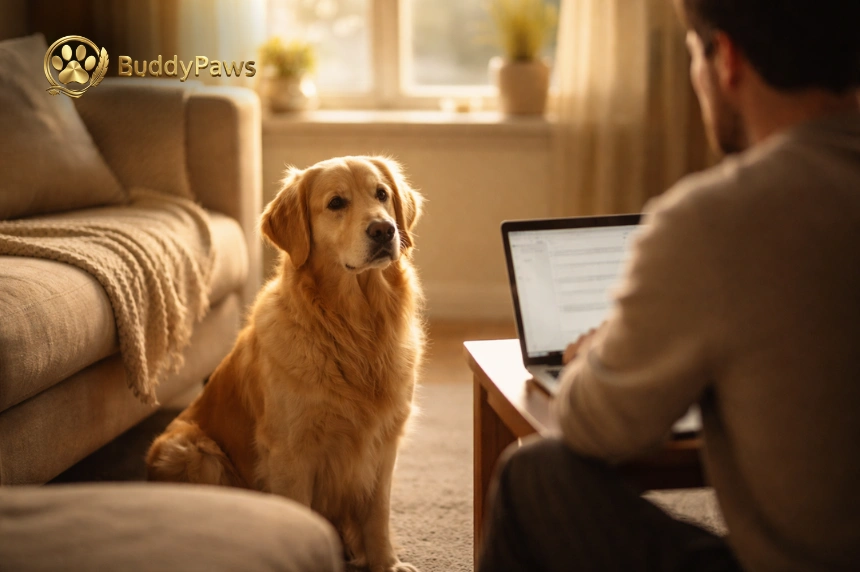
Have you ever noticed your pet watching your every move and wondered what's going on? That constant gaze can feel intense, but it often has simple, meaningful reasons behind it.
Many owners ask why my pet stares at me, assuming it's just curiosity, but it can reflect trust, attention-seeking, or learned behaviour.
Pets rely on you for cues, comfort, and connection, so watching you becomes part of their daily routine.
But is it always a good sign, or could it mean something else? In this guide. We’ll explore the real reasons behind this behaviour and what it reveals about your pet.
Pets often observe their owners closely, and dog staring behaviour is a common part of this habit. It may seem unusual, but it usually reflects communication, connection, and learned responses.
When your pet watches you calmly, it often means they feel safe. Eye contact can show trust and affection, especially in dogs that are comfortable and emotionally connected with their owners.
Pets rely on you for direction. Watching your movements helps them understand what’s next, whether it’s feeding time, a walk, or play. It’s their way of staying in sync with you.
Sometimes, your pet stares to get your attention. They may want food, playtime, or affection. This behaviour develops over time when they learn that watching you gets a response.
Understanding pet attention signs helps you decode their behaviour and respond in ways that support their emotional and physical needs.
Pets quickly learn schedules. They may stare when it’s close to feeding time or a walk. Watching you helps them anticipate what’s coming next in their daily routine.
Your presence provides reassurance. Pets may watch you to feel safe, especially in new or stressful situations. It helps them stay calm and connected to a familiar source of comfort.
Pets learn by watching. A pet networking app can highlight how animals mimic behaviours and routines. Observing you helps them understand actions, reactions, and how to behave in different situations.
Staring often develops as a habit. Simple pet care hacks, like not rewarding constant attention-seeking, can help manage this behaviour while keeping your pet emotionally satisfied and engaged.
Pets are naturally curious. Watching you helps them stay aware of changes in their environment. It keeps them mentally stimulated and connected to everything happening around them.
Pets often watch their owners for many reasons beyond curiosity. Pets often use eye contact to express feelings, and a cat watching its owner's behaviour can reveal subtle emotional cues. Understanding these signals helps you respond better to your pet’s needs and mood.
Staring can be a quiet way of showing love. Pets often use eye contact to bond, especially when relaxed. It’s their way of connecting without making noise or physical contact.
Pets observe your daily movements out of curiosity. Whether you’re cooking, working, or moving around, they stay alert to understand your behaviour and stay mentally engaged.
Sometimes staring signals unease. Pets may watch you closely when they feel unsure or anxious, using your presence as a source of comfort and emotional stability.
A pet community platform often highlights how staring can reflect habits formed over time. Learning from shared experiences helps you understand and manage your pet’s behaviour more effectively.
Pets often stare when expecting something. Whether it’s food, play, or attention, they learn that watching you increases the chance of getting what they want.
Watching your pet closely can help you understand normal versus unusual behaviour. Learning how to make your pet happy also helps you respond better to their attention and emotional needs.
If your pet watches you calmly without signs of stress, it’s completely normal. This often reflects trust, curiosity, or a desire to stay connected with your daily routine.
Pets often watch you around feeding, walks, or playtime. This behaviour is learned and predictable, showing that they are attuned to your schedule and anticipating familiar daily activities.
If your pet stares constantly or seems fixated, it could signal anxiety or unmet needs. Look for other behaviours like restlessness or vocalisation to better understand the cause.
When staring comes with aggression, fear, or withdrawal, it may indicate discomfort or stress. These signs should not be ignored and may require closer observation or changes in routine.
Platforms like BuddyPaws can help track your pet’s behaviour patterns. Understanding changes over time makes it easier to manage attention-seeking habits and support your pet’s emotional well-being.
Your pet watching you constantly may seem unusual, but in most cases, it’s natural and meaningful behaviour. It often reflects trust, curiosity, and a strong emotional bond rather than anything negative.
By understanding the reason behind this habit, you can respond in a way that supports your pet’s needs without encouraging unwanted patterns.
Paying attention to context and other behaviours helps you tell the difference between normal attention and something that needs concern.
With consistent interaction, a balanced routine, and proper care, this behaviour becomes a positive part of your relationship.
Ultimately, it’s another way your pet stays connected, engaged, and emotionally in tune with you every day.
Loading blogs...