Pet Community
Snails aren’t the first animal most people think of when choosing a pet, but they’re gaining attention for good reason.
They’re quiet, calming to watch, and surprisingly easy to care for, which makes them a great match for anyone craving a low-maintenance companion.
In this pet snails guide, you’ll learn what makes these tiny creatures so appealing and what to expect before bringing one home.
Snails don’t demand constant attention, expensive gear, or complicated routines, just a simple habitat and consistent care.
Still, they’re living animals, so it’s important to understand their needs before deciding if they’re right for you. This guide walks you through everything a beginner should know to help you choose confidently.
Snails may seem simple, but they offer a calm, fascinating experience you won’t get from typical household pets.
Their slow pace, gentle nature, and low-stress care make them a great match for anyone who enjoys observing small, intricate behaviors up close.
Snails move slowly and gracefully, making them a calming presence. Their peaceful routines create a soothing environment that helps people unwind after long days.
Snails bring a unique charm you won’t find in common animals. Their shells, behaviors, and nocturnal habits give owners something different and fun to observe.
Snails don’t need constant attention or fancy setups. A clean tank, proper humidity, and basic food keep them happy, making them ideal for beginners and busy owners.
Choosing the right species is the easiest way to start on the right foot, especially if you’re new to snails.
While this isn’t about tenrec care basics, the same idea applies: you want something simple, friendly, and easy to manage.
These beginner-friendly snails are hardy, low-maintenance, and perfect for learning the basics of snail keeping.
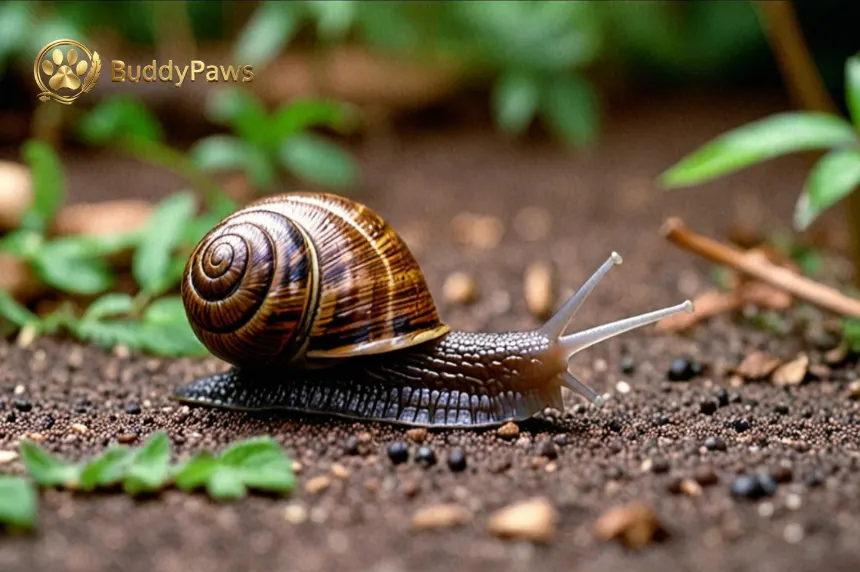
Garden snails are gentle, hardy, and great for first-time owners. They adapt well to small enclosures, eat basic veggies, and offer a fun, hands-on introduction to keeping land snails.
Mystery snails are colorful freshwater snails that thrive in community tanks. They’re popular in many pet community app discussions because they’re peaceful, active, and entertaining to watch.
Nerite snails are known for their bright patterns and algae-eating skills. They help keep aquariums clean, making them a favorite for beginners who want low-effort freshwater pets.
Ramshorn snails are adaptable and easy to care for. Their spiral shells and constant activity bring life to small tanks, and they thrive in simple freshwater setups.
If legal in your area, these large snails offer an interactive, slow-paced pet experience. They need steady humidity and proper food, but with basic snail care tips, they’re beginner-friendly.
Creating the right home is the key to keeping your snails healthy and active. This section of your pet snails guide shows how to build a simple, safe habitat that encourages natural behavior and makes daily care easier for beginners.
A clear plastic bin or glass tank works well. Make sure it has a secure lid, enough space for movement, and proper airflow to keep your snails comfortable.
Use moist soil, coconut fiber, or moss to help maintain humidity. Many keepers in the BuddyPaws community recommend a deeper substrate so snails can burrow naturally.
Snails need a moist environment to stay healthy. Mist the tank daily and monitor humidity to prevent dryness, which can stress or dehydrate your snails.
Add logs, rocks, plants, and cuttlebone for enrichment. These elements give snails places to explore, rest, and safely retreat when they feel the need.
Snails thrive in tidy setups. Regularly remove waste, rinse décor, and replace substrate when needed. A clean habitat supports these low-maintenance pets and keeps them active and happy.
Caring for snails is simple once you understand their routine. These snail care tips will help you keep your pet happy, healthy, and active without adding extra stress to your day.
Spot-clean the enclosure every few days and remove leftover food. A tidy tank prevents mold, keeps humidity steady, and gives your snail a comfortable place to explore.
Provide leafy greens, veggies, and calcium sources like cuttlebone. Just like tenrec care basics, consistency matters, so refresh food daily and remove anything that starts to spoil.
Snails rely on moisture to move and stay healthy. Lightly mist the enclosure each day and check humidity levels to avoid dryness or dehydration.
Always wet your hands first and lift your nail slowly. Avoid pulling if it’s attached to a surface, and let it crawl naturally to prevent shell or body injuries.
Snails are calm, unusual pets, but they should still be active at night, eat well, and have a smooth, hydrated body. Any major changes may signal stress or poor conditions.
Keeping snails at home can be a relaxing, low-pressure hobby, and many people discover them through an app for pet lovers where beginners share tips. Still, snails aren’t for everyone. Here’s a clear look at the pros and cons.
Low-maintenance and easy for beginners to care for
Quiet, clean, and odor-free compared to many pets
Affordable habitat and food requirements
Fun to observe, especially their slow, calming behavior
Safe for kids and gentle to handle
Limited interaction or bonding compared to other pets
Some species require strict humidity and temperature
Enclosures need regular cleaning to prevent mold
They’re fragile and can be injured easily
Certain species may be restricted or illegal in some states
New snail owners often make simple mistakes that can affect their pet’s health. Understanding these issues early helps you keep your snails comfortable, active, and thriving right from the start.
Mistake: Many beginners choose sand or gravel, which can scratch shells and dry out snails.
Solution: Use soil, coconut fiber, or moss to maintain safe moisture and burrowing space.
Mistake: Low humidity stresses snails, making them inactive or dehydrated.
Solution: Mist the tank daily, check humidity levels, and keep the enclosure sealed but ventilated.
Mistake: Uneaten food molds quickly and attracts pests.
Solution: Offer small portions, remove leftovers daily, and clean feeding areas regularly.
Mistake: Dry hands can damage their skin or stick to their bodies.
Solution: Always wet your hands first and let the snail move naturally during handling.
Mistake: Snails can develop weak or cracked shells without enough calcium.
Solution: Provide cuttlebone, eggshell powder, or calcium-rich foods to support healthy shell growth.
Keeping snails as pets is a simple, calming hobby that fits almost any lifestyle. They’re quiet, affordable, and surprisingly fun to observe once you learn their habits.
With the right setup, steady humidity, and a basic feeding routine, snails thrive without demanding constant attention.
They’re perfect for beginners, kids, busy adults, or anyone who wants a gentle introduction to the pet world.
As long as you avoid common mistakes and pay attention to their basic needs, you’ll enjoy a stress-free, rewarding experience.
Snails may be small, but they offer a relaxing rhythm that’s easy to appreciate. With this guide, you’re ready to decide if these slow-moving companions are the perfect fit for your home.
Loading blogs...