
Download Now


Share with your community!
Pet Community
Dogs often surprise their owners with playful noises, funny expressions, and unusual sounds that seem almost human-like.
From excited panting and snorting to strange vocalisations during playtime, many pet parents wonder what these behaviours actually mean.
Some sounds can appear similar to laughter, making owners curious about whether dogs experience emotions in ways that resemble human reactions.
Understanding canine communication can help strengthen relationships and make interactions easier to interpret.
If you have ever wondered if dogs can laugh, the answer involves behaviour, emotions, body language, and vocal patterns that dogs use to express excitement and social connection.
Learning what these sounds mean can help owners better understand their pet’s feelings and everyday behaviour patterns.
Dog emotions can often appear through playful actions, body language, and unique sounds during everyday interactions.
While dogs do not laugh exactly like humans, they may express happiness and excitement through behaviours that communicate positive emotional states naturally.
Dogs may create playful panting sounds, soft vocal expressions, or unusual noises during enjoyable activities.
These sounds can reflect excitement and positive experiences while helping dogs communicate emotions during interactions with owners effectively.
Dogs commonly express happiness through tail wagging, relaxed posture, playful movements, and energetic behaviour.
Physical signals often work together with sounds to help communicate emotions and strengthen interactions with people around them naturally.
Dogs often respond emotionally during playtime, affection, and enjoyable experiences with familiar people.
Positive interactions can encourage behaviours linked to happiness while helping strengthen emotional connections and social relationships effectively.
Happy dog behaviour is often expressed through different sounds, movements, and vocal patterns during daily interactions.
Understanding these noises can help pet owners recognise emotions and better understand what dogs may be trying to communicate naturally.
Dogs often create light panting sounds while playing, running, or enjoying exciting activities with owners.
These sounds usually reflect excitement and physical activity while helping express positive emotions and playful energy naturally.
Dogs may produce soft whining sounds when they want attention, affection, or interaction from people nearby.
This vocal behaviour can indicate emotional needs while helping dogs communicate interest or mild discomfort effectively.
Excited barking commonly happens when dogs experience stimulating situations such as play sessions, visitors, or outdoor activities.
The sound often reflects enthusiasm and engagement while allowing dogs to communicate energy and emotional responses.
Not every growl indicates aggression because dogs sometimes use playful growling during games and activities.
Context and body language help owners understand whether the sound reflects excitement, comfort, or other emotional states naturally.
Dogs may create brief yelping sounds during surprising moments, unexpected movements, or emotional situations.
Sudden vocal responses can communicate excitement, discomfort, or immediate reactions to surrounding events effectively.
Many conversations within a pet community app explain how dogs use different sounds to maintain communication with owners.
Vocal patterns often help dogs strengthen social interaction while expressing emotions and responding to surrounding experiences naturally.
Dog communication often includes body language, facial expressions, movements, and playful actions that reveal emotional states.
Recognising signs of happiness can help pet owners understand behaviour better while strengthening relationships with their dogs naturally.
Happy dogs often display relaxed body posture with loose movements and comfortable behaviour during interactions.
Calm physical signals usually indicate emotional comfort while showing that dogs feel secure and enjoy their surroundings naturally.
Many dogs wag their tails enthusiastically when feeling happy, playful, or excited around familiar people.
Tail movement combined with other positive behaviours often reflects enjoyment and emotional engagement during everyday activities effectively.
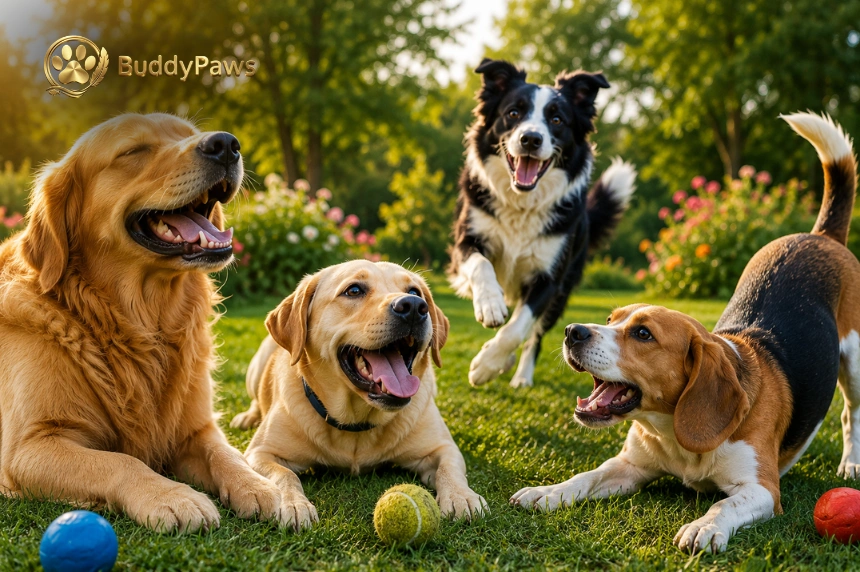
Dogs commonly lower their front legs and raise their back legs while inviting play activities with people or pets.
This playful position often signals excitement and helps communicate friendly intentions during social interactions naturally.
Many pet owners on platforms like BuddyPaws frequently discuss how happy dogs actively seek companionship and interaction.
Dogs enjoying social activities often stay engaged with family members while showing excitement during shared experiences consistently.
Happy dogs often show relaxed facial expressions with attentive eyes and comfortable ear positions during activities.
Positive expressions help indicate emotional well-being while reflecting curiosity and enjoyment during interactions with owners naturally.
Playful dogs generally remain excited about walks, toys, games, and familiar routines throughout daily life.
Continued interest in enjoyable activities often reflects emotional happiness while supporting healthy mental and physical engagement effectively.
Understanding dog communication becomes increasingly important throughout different stages of the dog's lifespan because behaviours and emotional expressions may change over time.
Learning communication patterns can help owners build stronger relationships and better understand their pet’s needs naturally.
Dogs often communicate emotions through body posture, tail movement, ear position, and facial expressions during daily interactions.
Paying attention to physical signals helps owners understand emotional states while improving communication and overall interaction quality effectively.
Different sounds such as barking, whining, panting, or growling may communicate different emotions and needs.
Listening carefully to vocal patterns helps owners recognise excitement, stress, curiosity, or other emotional responses more accurately.
Dogs may react differently depending on the environment, people, activities, or changes around them.
Understanding behaviour patterns in different situations helps owners identify triggers while improving communication and emotional understanding successfully.
Regular interaction through play, walks, and daily activities helps owners understand behavioural habits naturally.
Consistent time together strengthens emotional bonds while making it easier to recognise changes in communication and personality over time.
Many discussions within a pet-lovers community provide useful insights about canine behaviour and communication habits.
Learning from shared experiences can help owners understand different behavioural patterns while improving everyday interactions with their pets effectively.
Consistent responses help dogs understand expectations and create stronger communication patterns during interactions.
Predictable reactions improve trust while helping owners and pets develop healthier and more meaningful relationships over time naturally.
Dogs communicate in many interesting ways through sounds, body language, and everyday behaviours that often reveal their emotions and intentions.
Although dogs do not laugh exactly like humans, they can express happiness, excitement, and enjoyment through playful panting, vocal sounds, and positive social interactions.
Understanding these signals can help owners recognise what their pets may be feeling and improve communication over time.
Paying attention to body posture, facial expressions, and the situations surrounding specific sounds can provide valuable clues about a dog’s emotional state.
Every dog has unique communication habits that may change with age, personality, and experiences.
By spending quality time together and learning to interpret these behaviours, pet owners can strengthen trust, build deeper emotional connections, and create healthier, more enjoyable relationships with their dogs.
Loading blogs...