

Download Now


Share with your community!
Pet Community
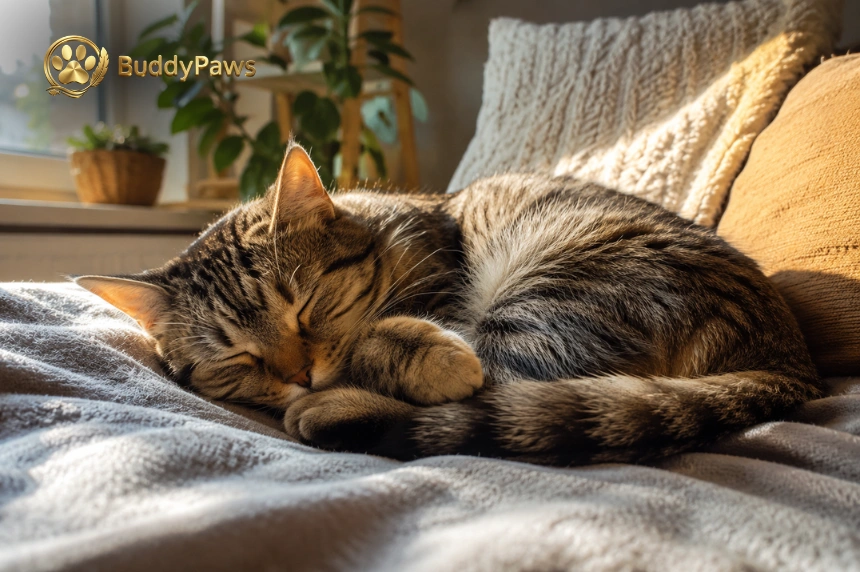
Cats seem to spend a remarkable portion of their lives curled up and sleeping, leaving many owners wondering whether this behaviour is normal.
But why do cats sleep so much compared with many other animals? The answer lies in their evolutionary history, energy-conserving biology, and natural hunting instincts.
Even indoor cats retain behaviours inherited from wild ancestors, including long periods of rest between short bursts of activity.
Age, diet, health, and environment also influence how much a cat sleeps each day.
In this article, we will explore the biological reasons behind feline sleep, how lifestyle and life stage affect sleeping patterns, what normal sleep habits look like, and when excessive sleeping may signal an underlying health issue that deserves veterinary attention.
Understanding cat sleeping habits begins with the biology that shapes feline behavior. Cats are naturally designed to conserve energy, recover quickly, and remain alert for short bursts of hunting and play throughout the day.
Cats evolved as predators that rely on explosive movements to stalk and capture prey. Long sleep periods help restore energy reserves needed for sudden activity, even in indoor cats that no longer hunt for survival.
Cats are most active at dawn and dusk, when their wild ancestors hunted. Sleeping extensively during other hours aligns with this natural rhythm and supports efficient energy use.
Sleep supports muscle repair, immune function, memory processing, and hormonal balance. These restorative processes help cats maintain physical health and cognitive sharpness.
Understanding lazy cat behaviour can help owners distinguish normal rest from possible health concerns. Changes in sleep duration, posture, and daily activity often reveal important clues about your cat's health.
Certain sleeping positions reveal comfort and physical condition. Cats that stretch openly usually feel secure, while persistent hunching or sleeping with tucked limbs may indicate pain, arthritis, or abdominal discomfort that deserves closer observation, especially.
Tracking sleep patterns in a pet community app helps owners compare routines and notice unusual changes. Shared insights and daily logs can highlight stress medication effects or emerging illnesses before subtle symptoms become serious enough.
When increased sleep occurs alongside poor appetite, weight loss or reduced play, it may signal infections, thyroid disorders, diabetes or kidney disease. Observing these combined changes helps veterinarians identify underlying conditions and recommend timely treatment.
Sudden changes in sleeping schedules can reflect anxiety, environmental stress, or cognitive decline in older cats. Monitoring nighttime restlessness, hiding, or vocalisation provides valuable clues about emotional health and age-related conditions that may benefit from it.
Extra sleep after vaccinations, intense play, or minor illness often reflects normal recovery as the body restores energy and immune balance. Temporary increases are usually harmless if your cat remains hydrated and responsive and returns to normal.
Consistently sleeping far more than usual, avoiding interaction or showing breathing difficulties warrants prompt veterinary attention. Persistent lethargy can indicate serious disorders, and early diagnosis improves treatment outcomes while helping your cat regain comfort and energy.
Knowing the range of normal cat sleep hours helps owners tell whether extra rest is healthy or concerning. Age, stress, recovery and illness can all affect sleep patterns, making careful observation.
Healthy cats commonly sleep 12 to 16 hours daily, and kittens or seniors may rest even longer. If your cat wakes easily, eats well, grooms regularly and enjoys playtime, extended sleep usually reflects normal growth.
Using an app for pet lovers helps track sleep duration, appetite and activity levels over time. Consistent records reveal whether increased sleeping follows weather changes, routine disruptions or vaccinations, making it easier to recognise unusual patterns.
Sudden increases in sleep accompanied by weight loss, vomiting, diarrhoea, hiding, or reduced appetite may indicate infection, pain, or metabolic disease. When excessive rest appears alongside other symptoms, prompt veterinary evaluation can identify underlying problems.
Questions like 'Do cats love their owners?' often arise when affectionate cats choose to sleep nearby more frequently. Resting beside you usually reflects trust, comfort and emotional security, especially when your cat maintains a normal appetite.
Changes after surgery, medication adjustments, travel or stressful events can temporarily increase sleep needs. Recovery requires additional rest, but persistent lethargy, poor appetite, reduced mobility or withdrawal should be monitored closely and reported to your doctor.
BuddyPaws allows owners to log sleep trends, meals, medications and behaviour changes in one place. Organised records and reminder alerts support earlier detection of health concerns and help veterinarians compare sleeping patterns over time.
Cats spend a large part of their lives sleeping, and in most cases, this behaviour is completely normal.
Their long rest periods are rooted in evolutionary instincts, energy conservation, and natural hunting rhythms.
Understanding why cats sleep so much helps owners appreciate that sleep supports muscle recovery, immune function, memory, and overall well-being.
Age, lifestyle, stress, and environmental changes can all influence how many hours a cat sleeps each day.
While kittens and senior cats often rest more, sudden increases in sleep accompanied by appetite loss, vomiting, hiding, or lethargy may indicate an underlying health issue.
By observing cat sleeping habits and tracking changes over time, owners can better recognise what is normal and when veterinary care is needed to keep their feline companions healthy, comfortable, and thriving throughout every life stage.
Loading blogs...